
Canned Fruit Buyer's Guide for Your Kitchen
Canned fruits are a staple in many pantries. They offer a long shelf life and allow you to enjoy fruit regardless of the season. However, the buying process has its pitfalls, from misleading labels to disappointing fruit quality. Anyone looking to specifically buy preserved fruit should consider more than just the price. This guide will show you what matters to avoid buyer's remorse and find the perfect canned fruit for your needs, whether as a quick snack, for a cake, or as an ingredient in exotic desserts.
Common Pitfalls When Buying Canned Fruit
Not every can delivers on its promise. Before you make your choice, you should be aware of these three common problems:
- The Syrup Trap: The terms "in light syrup" or "in heavy syrup" are often vague. Many products contain an unexpectedly high sugar content that masks the natural fruit flavour and unnecessarily increases the calorie count. The liquid makes up a significant portion of the contents, and its composition is crucial for taste and use.
- Disappointing Fruit Quality: A frequent annoyance is mushy, disintegrated fruit or inconsistent piece sizes. A firm, appealing fruit texture is essential, especially when preparing fruit for cakes or desserts where appearance matters. Sometimes, remnants of pits or peels can also be found in the can.
- Unclear Ingredient Lists: Besides fruit, water, and sugar, canned fruits can hide artificial flavours, colourings, or a high concentration of acidity regulators that are not always apparent at first glance. This is particularly true for some imported specialities where the declaration may be incomplete.
What to Look For When Making Your Selection: The Core Criteria
To ensure you get a quality product that meets your needs, you should check three essential criteria.
1. The Packing Liquid: Juice, Light, or Heavy Syrup
The liquid in which the fruit is preserved significantly influences the taste and sugar content.
- In its own juice: Here, the fruits are preserved in their own or an added fruit juice without additional sugar. This option is often the most flavourful and contains only the fruit's natural sugar.
- Fruit in syrup (lightly sweetened): This is a common variant that uses a solution of water and sugar. The sugar content is moderate and preserves the natural sweetness of the fruit without overpowering it. Ideal for direct consumption or as an ingredient where sugar content needs to be controlled.
- Fruit in heavy syrup: These cans have the highest sugar content. The syrup is thicker and very sweet. They are primarily suitable for desserts where intense sweetness is desired, or as a base for syrup in cocktails.
2. Fruit Type, Cut, and Processing
The quality of canned fruits depends directly on how the fruit is processed. Pay attention to the information on the label:
- Cut Style: Whether "halves" (as with canned peaches), "slices," "chunks," or "diced" (as in a can of fruit cocktail)—the cut style is crucial for its intended use. For a fruitcake, uniform halves or slices are often more suitable than small pieces.
- Fruit Integrity: A good can contains firm, intact fruit pieces. Claims like "hand-picked" or "harvested at peak ripeness" can be, but are not always, an indicator of higher quality. For more exotic products like Asian canned fruits (e.g., lychee, longan), a firm texture is a key quality marker.
- Drained Weight: This figure is crucial because it tells you how much fruit is actually in the can. Don't just compare the total contents; always compare the drained weight to objectively assess the value for money.
3. Origin and Variety
While many standard fruit varieties like peaches or pears are grown globally, specialised brands often offer fruits from specific regions known for their unique flavour. Asian canned fruits like jackfruit, young coconut meat, or rambutan open up new culinary possibilities and bring authentic flavours to your home kitchen. Here, it's worth looking for brands that are known as quality providers in their countries of origin.
Our Picks for Different Uses
Here are some recommendations tailored to different needs and user profiles.
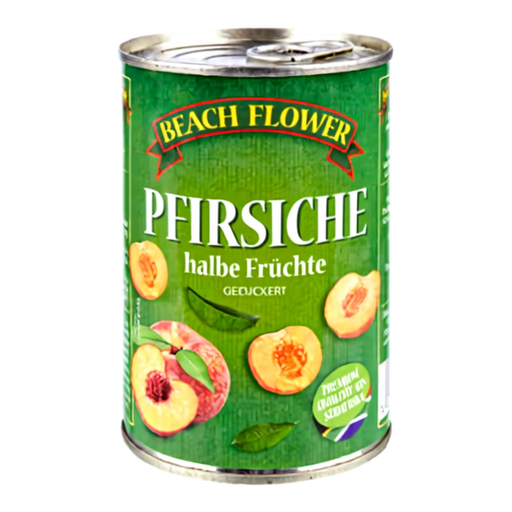
Beach Canned Sliced Yellow Peaches in Syrup 425ml
Why This Fits Their Persona: Ideal for anyone looking for a reliable ingredient for cakes, tarts, and desserts. The pre-sliced peaches are ready to use, saving preparation time. Their firm consistency ensures they hold their shape even after baking.
The product description emphasizes that the peaches are "carefully selected and sliced at their peak freshness." This counteracts the pitfall of mushy fruit. The light syrup does not overpower the fruit's flavour.
Uniform slices for an appealing presentation; versatile for both sweet and savoury dishes.
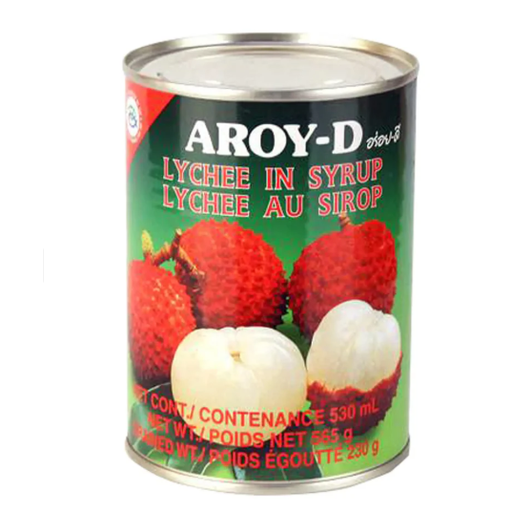
Aroy-D Lychees in Syrup 565g
Why This Fits Their Persona: Perfect for those seeking authentic Asian canned fruits to enhance cocktails, ice cream, or Asian desserts. Aroy-D is an established brand for Thai food products, known for its quality.
The description highlights the "firm yet juicy" texture and "exotic floral profile." This directly addresses the concern of bland or mushy fruit, which can be an issue with less common exotic fruits.
Authentic, tropical flavour; already peeled and pitted for maximum convenience.
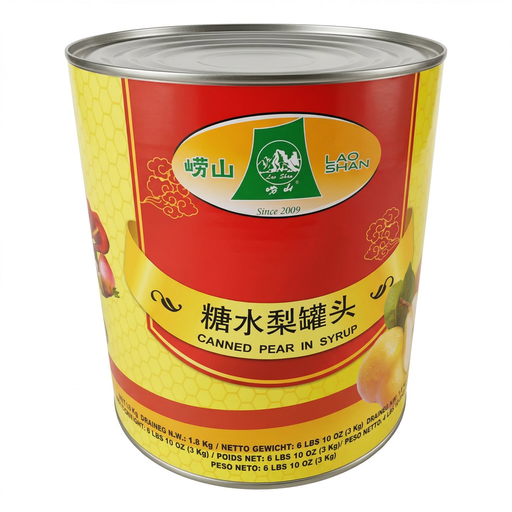
[COOL]Laoshan Canned Pear in Syrup 3kg
Why This Fits Their Persona: The 3kg bulk pack is an economical solution for families, cafeterias, or anyone looking to stock up. Pears are a versatile classic that all family members enjoy.
With bulk packs, there is often a concern about inferior quality. The description refers to "selected pears" to preserve natural flavour and nutrients. The simple ingredient list (pears, water, sugar, citric acid) avoids the trap of hidden additives.
Excellent price-to-quantity ratio; ideal for stocking up and for bulk consumers.
Looking for More Options?
We have compiled a complete, up-to-date list of products that fully meet these strict selection criteria.
Frequently Asked Questions (FAQ)
1. How long do canned fruits last after opening? After opening, the contents of the can should be transferred to a non-metallic container (e.g., glass or plastic). Stored in the refrigerator, the fruit will typically last for 2 to 4 days. Always follow the specific instructions on the packaging.
2. Is canned fruit as nutritious as fresh fruit? Fresh fruit generally has the highest nutritional value. The canning process, especially heating, can reduce heat-sensitive vitamins like Vitamin C. However, minerals and dietary fibre are largely preserved. Canned fruit is therefore a practical alternative when fresh fruit is not available.
3. How can I identify the sugar content in canned fruit? The sugar content is listed in the nutrition facts table under "Carbohydrates, of which sugars" per 100g. Comparing different products is the most objective method here. The name of the packing liquid gives a first clue: "In its own juice" usually has the lowest sugar content, while "in heavy syrup" has the highest.