
Camera Lens Protector Buying Guide: Protect Your Smartphone Lens
The cameras on modern smartphones like the iPhone 16 or Samsung Galaxy S25 are technological marvels. But the protruding camera module is also the device's Achilles' heel—vulnerable to scratches and cracks, with repairs that can be incredibly costly. A camera lens protector seems like the logical solution. However, the market is flooded with products whose marketing claims often hide more than they reveal. As your Joybuy Product Recommendation Officer, I'll help you separate the wheat from the chaff and find a protector that won't compromise your photo quality.
The Most Common Pitfalls When Buying a Camera Lens Protector
Many users invest in a lens protector only to be disappointed when their photos suddenly become blurry or the protector falls off after just a few weeks. This is often due to three common flaws that are concealed in product descriptions:
- Misleading "9H Hardness" Claims: The term 9H hardness is used ubiquitously. However, many of these products are not genuine tempered glass but rather a thin plastic film that may resist minor scratches but offers no real impact protection in a fall.
- Inferior Adhesives: A common annoyance is a protector that peels at the edges, collects dust underneath, or falls off at the slightest brush inside a pocket. This is caused by low-quality adhesives that fail to provide a durable, bubble-free bond.
- Lack of Optical Coatings: Budget protectors are often just simple panes of glass. They lack an anti-reflective coating, which leads to unsightly light reflections (lens flares), reduced contrast, and distorted colour reproduction—noticeably degrading the quality of your photos.
What Really Matters: The Key Quality Indicators
To avoid these pitfalls, you should check three key parameters before buying. These will determine whether a phone lens protector is a worthwhile investment or just a short-lived annoyance.
1. Material and Hardness: Tempered Glass and Sturdy Frames
An effective scratch-resistant lens protector is made of genuine tempered glass. This material offers a verifiable surface hardness that corresponds to the 9H standard on the pencil hardness scale, effectively protecting against scratches from keys or grains of sand. High-end models also combine the glass with a frame made from a durable aluminum alloy. This frame precisely encases the lenses and absorbs energy from side impacts, a task that glass alone cannot perform.
2. Optical Properties: Transparency and Coatings
A camera protector's primary job is to shield the lens without compromising image quality. Look for products with a light transmittance of over 99%. Even more important is a multi-layered anti-reflective (AR) coating. This minimises reflections on the glass surface that would otherwise appear as ghosting or lens flares in your photos. An additional oleophobic (oil-repellent) coating ensures that fingerprints don't stick, keeping the lens clean.
3. Fit and Installation: Precision for Function and Aesthetics
A camera protector must be precisely cut for the specific smartphone model, whether it's an iPhone 16 camera protector or one for a Samsung device. Only a precise fit ensures that all lenses, the flash, and any sensors (like the LiDAR scanner) remain unobstructed and function perfectly. The protector should also be "case-friendly," meaning it's compatible with most common phone cases. A good indicator of a well-designed product is the included installation kit. An installation frame or alignment tool makes installing a camera protector bubble-free much easier.
Top Picks for User Profiles
Based on these objective criteria, we have identified several products that represent a suitable solution for different user profiles.
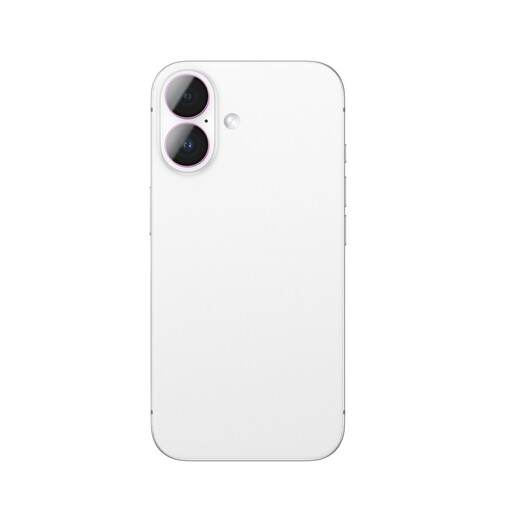
AmazingThing AR Aluminum 2 Lens Glass with Camera Lens Frame for iPhone 16 / 16 Plus - Pink
Why This Fits Their Persona: Ideal for users who don't want to sacrifice aesthetics for protection. The coloured aluminium frame in pink adds a personal touch and complements the iPhone's design, while the 9H glass provides reliable protection.
Instead of cheap plastic, this model uses a combination of genuine 9H tempered camera glass and a sturdy aluminium frame. Its anti-reflective properties and blue light filter go beyond simple scratch protection to prevent optical interference.
The combination of protection, style, and extra features like the blue light filter offers clear added value. The simple, bubble-free application makes installation straightforward.
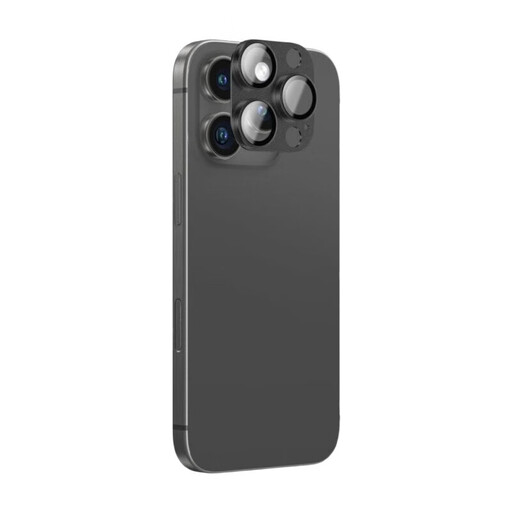
AmazingThing Aviation-Grade Alloy Tempered Glass Lens for iPhone 16 Pro / 16 Pro Max Camera Lens - Black
Why This Fits Their Persona: For users of Pro models where maximum durability is the top priority. The combination of tempered glass and an aviation-grade alloy promises superior protection against impacts and drops.
The material specification "Aircraft-grade aluminum alloy" is specific and signals higher durability than vague marketing terms. The full-coverage adhesive ensures a secure fit and prevents dust ingress, a common problem with budget products.
Offers a highly robust construction for superior impact protection without compromising image quality. The precise fit provides a seamless, almost factory-like appearance.
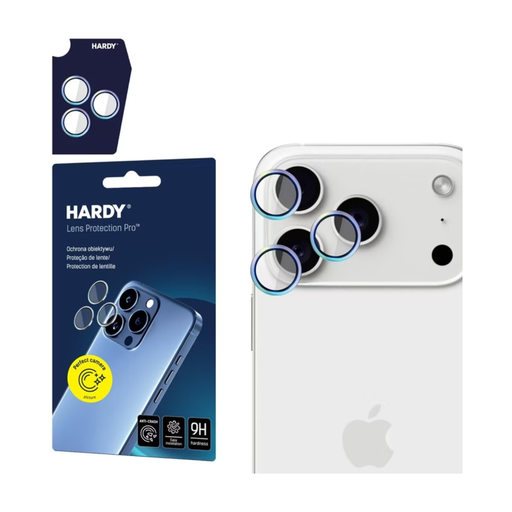
3mk HARDY Lens Protection Pro Glass for iPhone 17 Pro / 17 Pro Max - Multicolor
Why This Fits Their Persona: Perfect for tech enthusiasts who are already looking ahead to the next smartphone generation. This lens protector is explicitly designed for the upcoming iPhone 17 Pro models, offering a perfect fit and protection from day one.
This product from an established brand (3mk) comes with clear specifications: 9H tempered glass, RoHS certification, and an included installation frame. This ensures a correct, bubble-free application and avoids the typical problems of poor fit and adhesion.
Provides protection for the next generation of devices and features a shatterproof formula for enhanced safety if the glass breaks. The multi-coloured "Rainbow" design is also a unique visual feature.
Looking for More Options?
We have compiled a complete, up-to-date list of products that fully meet these strict selection criteria and our quality standards.
Frequently Asked Questions (FAQ)
Does a camera lens protector affect photo quality?
A high-quality camera protector glass does not affect photo quality. The crucial factors are high light transmittance (over 99%) and an effective anti-reflective coating. These features ensure that the colour, sharpness, and contrast of your photos are preserved and that no distracting reflections are created. However, very cheap models without these properties can lead to a visible degradation in quality.
How do you install a camera protector correctly?
Correctly installing a camera protector is crucial for its performance. Follow these general steps:
- Cleaning: Thoroughly clean the camera lenses with the included alcohol wipe and then with the microfiber cloth to completely remove any dust and fingerprints.
- Positioning: If an installation frame is included, use it to align the protector perfectly. Peel the protective film off the adhesive.
- Application: Carefully place the glass onto the lenses. Press down lightly in the centre. The adhesive will now spread out to the edges on its own.
- Finishing: Use the microfiber cloth to smooth out any air bubbles from the centre outwards. Allow the adhesive to cure for a few hours before subjecting the phone to heavy use.
How long does a lens protector last and when should it be replaced?
The lifespan of a lens protector depends heavily on usage. With normal use, it can last for years. However, it should be replaced immediately if it shows any visible scratches, cracks, or chips. A damaged protector can not only negatively affect photo quality but also no longer offers reliable protection against another impact.