
Buying Red Bean Paste: A Guide to Avoiding Common Mistakes
By Joybuy Product Recommendation Officer, 29 August 2026
Red bean paste is a key ingredient in many beloved Asian desserts, from filled buns to glutinous rice balls. However, buying the right paste can be trickier than you'd think. Many shoppers only realise in the kitchen that they've chosen the wrong product—whether due to its consistency, sweetness level, or even the type of bean. This guide will help you navigate the common pitfalls and find the perfect red bean paste for your culinary project.
The 3 Most Common Mistakes When Buying Red Bean Paste
Navigating the world of Asian groceries can be a challenge. Vague labelling on products like red bean paste, in particular, often leads to disappointment. Here are the three most frequent problems:
- The "Wrong Bean Type" Error: Not every red paste made from beans is suitable for sweet desserts. Some products, especially fermented bean pastes like Pixian doubanjiang, are salty, spicy, and intended for savoury Sichuan dishes. Using this by mistake for a sweet baozi will result in an unpleasant surprise.
- The Texture and Sweetness Trap: The packaging rarely reveals whether the paste has a coarse texture with whole bean pieces (tsubuan) or a silky-smooth consistency (koshian). Likewise, the sugar content varies widely. A paste that is too sweet or too coarse can disrupt the balance of a delicate dessert.
- Confusing an Ingredient with a Finished Product: Sometimes, shoppers grab a ready-to-eat dessert like a sweet bean soup, assuming it's a baking ingredient. Conversely, buying a pure adzuki bean paste can be frustrating when you were actually looking for a quick snack like ready-made red bean buns.
What to Look For Before You Buy: The Key Parameters
To avoid these mistakes, you should check three crucial product characteristics before purchasing. These will give you the confidence that you're getting the right product for your recipe.
1. Bean Type and Intended Use
The most important factor is the type of bean. For most Asian desserts, you need a sweet paste made from adzuki beans. This is often called Anko paste and is the foundation for classics like Japanese dorayaki, Chinese mooncakes, or glutinous rice balls with red bean filling.
- Sweet Adzuki Bean Paste (Anko): Look for ingredient lists that include adzuki beans (or simply "red beans"), sugar, and water. This is the standard paste for desserts.
- Savoury Bean Paste: Products that list fermented soybeans, broad beans (fava beans), chilli, or salt high on the ingredient list are seasoning pastes for savoury cooking and are unsuitable for desserts.
2. Consistency and Sugar Content
The texture of the paste has a major impact on the final result. Although the specific designation (tsubuan/koshian) is rarely found on European packaging, the ingredient list can provide clues.
- Consistency: A smooth paste has a finer texture and works well for delicate fillings. A coarse paste offers more bite and a more rustic feel. Product images or descriptions like "smooth" can offer guidance here.
- Sugar Content: Check the position of sugar in the ingredient list. If it's listed first or second, the paste is likely to be very sweet. If you prefer to control the sweetness yourself, choose a product where beans are the first ingredient.
3. Product Format: Ingredient or Ready Meal?
Before buying, clarify whether you need an ingredient for cooking and baking or a finished product for immediate consumption.
- Pure Paste: Usually sold in cans or vacuum-sealed bags. Ideal for home cooks who want to create their own dishes.
- Frozen Finished Products: These include red bean buns or filled glutinous rice balls. They just need to be steamed or boiled.
- Ready-to-Eat Desserts: Chilled or shelf-stable sweets like bean soups in cups are meant for direct enjoyment.
Top Picks by User Profile
Based on these criteria, we have identified a few products that are well-suited for different needs.
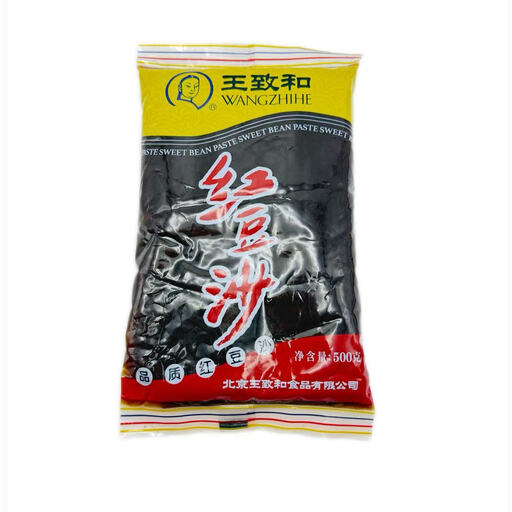
Wangzhihe Red Bean Paste 500g
Why This Fits Their Persona: Ideal for those who love to bake from scratch. This paste is a versatile ingredient for a range of recipes, from mooncakes to filled buns. The simple ingredient list (sugar, red beans, water) makes it a reliable base.
This product is clearly positioned as a baking ingredient, avoiding any confusion with a ready-made meal. Its smooth consistency and balanced sweetness are designed for traditional recipes.
Ready to use and versatile. The 500g pack offers great value for money for multiple baking projects.
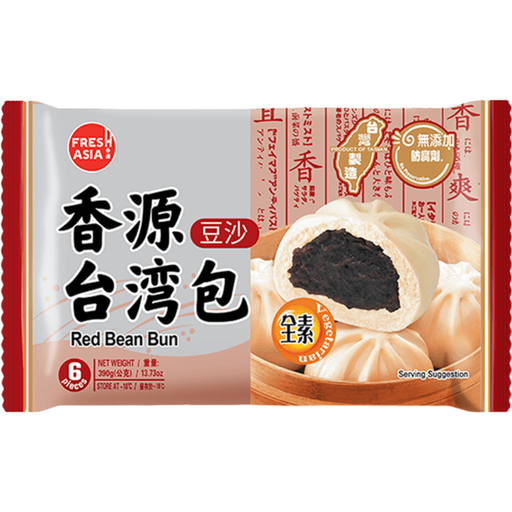
FRESHASIA Taiwanese Red Bean Bun 390g
Why This Fits Their Persona: Perfect for anyone wanting a quick, authentic snack or a special breakfast without the fuss. These frozen buns just need to be steamed and are ready to serve in minutes.
This is clearly a finished product, which eliminates the risk of mistaking it for a baking ingredient. The description promises a soft dough and a smooth filling, managing texture expectations perfectly.
Extremely convenient and time-saving. It preserves the classic taste of a traditional Taiwanese pastry.
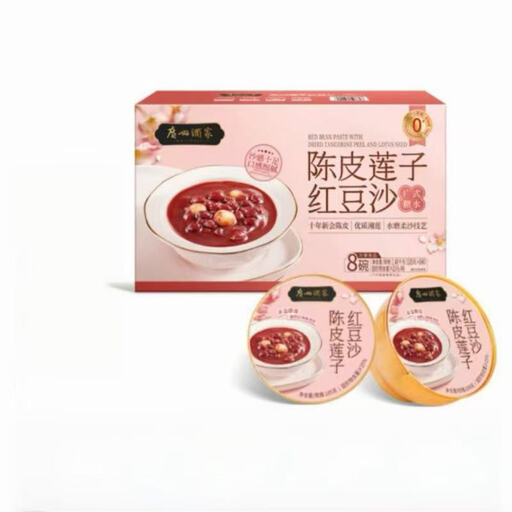
Sam's Club Tangerine Peel, Lotus Seeds & Red Bean Paste
Why This Fits Their Persona: For those seeking a high-quality, ready-to-eat dessert. This Cantonese sweet soup combines red beans with lotus seeds and tangerine peel for a complex flavour profile. The individual portions are ideal for hassle-free enjoyment.
This product is clearly declared as a finished dessert. The detailed description of ingredients like tangerine peel and lotus seeds prevents any false expectations of it being a simple bean paste.
Ready-to-eat and conveniently portioned into 8 individual bowls. It offers an authentic, nuanced taste experience without artificial flavours.
Looking for More Options?
We have compiled a complete, real-time list of products that fully satisfy these strict selection criteria and UK safety regulations.
1. How long does opened red bean paste last? Once opened, the paste should be transferred to an airtight container, stored in the refrigerator, and ideally consumed within 5 to 7 days. Always follow the specific instructions from the manufacturer on the packaging.
2. Is red bean paste (Anko) always sweet? In the context of East Asian desserts, the paste made from adzuki beans, known as Anko paste, is almost always sweetened. However, other Asian bean pastes exist that are savoury or spicy, such as fermented pastes for stir-fry dishes. It is therefore essential to check the ingredient list and product description if you specifically want to buy sweet bean paste.
3. Can you reheat red bean buns (baozi) in the microwave? Steaming is recommended for the best texture—soft and fluffy. However, a microwave is a quick alternative. Place the bun on a plate, add a splash of water, and cover it with a damp paper towel or a microwave-safe lid. Heat it in short intervals of 30-45 seconds to prevent it from drying out or becoming tough.