
Buying coffee online: choose the right roast, format and brewing method
If you’re buying coffee online, you’ll quickly find a wide choice of beans, capsules, ground coffee and ready-to-drink options. Product pages often use terms such as “intense”, “barista” or “premium”. For a well-informed purchase, though, practical details matter more: is the format compatible with your coffee machine? How much coffee do you actually need? And does the flavour suit the way you like to drink it?
As a Joybuy Product Recommendation Officer, I sift through market information and focus on practical criteria. The recommendations below can help you avoid common buying mistakes and choose the right coffee for home, the office or a particular brewing method.
Common pitfalls when buying coffee
1. Intensity isn’t a standard measure for comparison
An intensity rating such as 8/12 usually describes the strength of the flavour or the effect of the roast, not necessarily the caffeine content. Dark-roasted coffee can taste bold and bitter, while a lighter Arabica roast may have fruitier or more floral notes. So if you’re looking for a mild coffee, pay attention to the bean variety, roast level and flavour profile – not just the marketing claims.
2. The wrong format can lead to unnecessary costs
Coffee beans need a grinder or a bean-to-cup machine. Depending on the grind, ground coffee can be used for filter coffee, a French press, a moka pot or an espresso machine. Coffee capsules only work with compatible systems. In particular, check that your machine supports the format before buying Nespresso-compatible capsules.
3. Bigger packs aren’t always better value
A 1 kg bag of coffee beans can make sense for households and offices. But if you don’t use much coffee, it loses its aroma more quickly once opened, especially if the packaging isn’t sealed properly. Smaller packs, single-serve sticks or drip coffee can be more practical for occasional use. What matters is how quickly you’ll use the coffee, while following the recommended use-by and storage guidance.
What to check before you buy
Brewing method and grind size
Whole beans such as Caffè Crema or classic espresso blends are suitable for bean-to-cup machines. You can adjust the grind size directly on the machine. Ground coffee is a convenient choice for filter coffee and a French press, provided the grind is right for your brewing method.
Turkish coffee calls for a very fine powder, which is heated with water and, if desired, sugar in a cezve. Vietnamese coffee is often made using a phin filter. If you’d rather use less equipment, try instant coffee, liquid coffee concentrate or individual drip coffee bags.
Arabica, Robusta and blends
Arabica coffee is often associated with mild, fruity or floral notes. Robusta coffee can taste stronger and is often used to add body and crema to a blend. A blend of Arabica and Robusta, for example, can work well for a bold espresso or coffee made in a bean-to-cup machine.
However, the type of bean alone doesn’t determine quality. The roast, origin, grind and freshness all affect the cup, too. If you’re buying flavoured coffee, check the ingredients as well – for example, for hazelnut or vanilla flavouring.
Labels and ingredients
When buying organic coffee or Fairtrade coffee, check the specific label and certification on the packaging. Terms such as “sustainable” or “carefully selected” are of limited value without further details.
For 3-in-1 instant coffee, latte mixes and flavoured drinks, it’s worth checking the sugar, milk ingredients and allergens. Coffee naturally contains caffeine, so if you’re sensitive to caffeine, take your own tolerance into account when deciding how much to drink.
Recommendations by shopper type
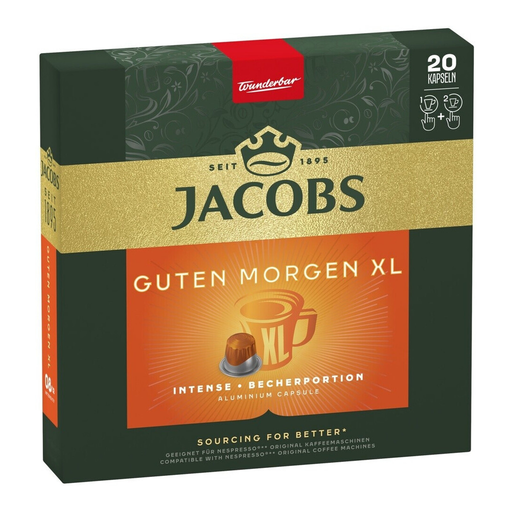
Jacobs Coffee Capsules Guten Morgen XL Intense 20 Pieces 114g
Why it suits this shopper: The 20 capsules let you make individual portions without measuring out the coffee. They’re designed for Nespresso-compatible machines and make an XL lungo serving of 150 ml.
The compatibility and recommended drink size are clearly stated, making it easier to check that the capsules will work with your machine.
20 portions; 100% roasted ground coffee; dark roast with Arabica and Robusta.
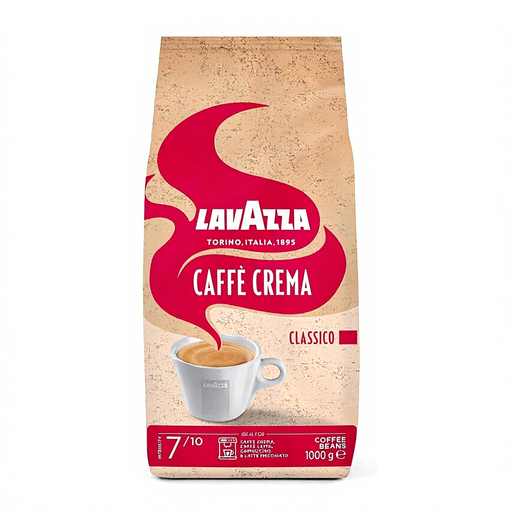
Lavazza Caffè Crema Classico Whole Bean Coffee 1000g
Why it suits this shopper: The 1 kg pack is aimed at bean-to-cup machine owners who regularly make Caffè Crema or coffee with milk.
It’s clearly labelled as whole beans for bean-to-cup coffee machines. Choose this pack size only if it matches how much coffee you get through.
Medium roast; designed for bean-to-cup machines; whole beans can also be ground for other brewing methods.
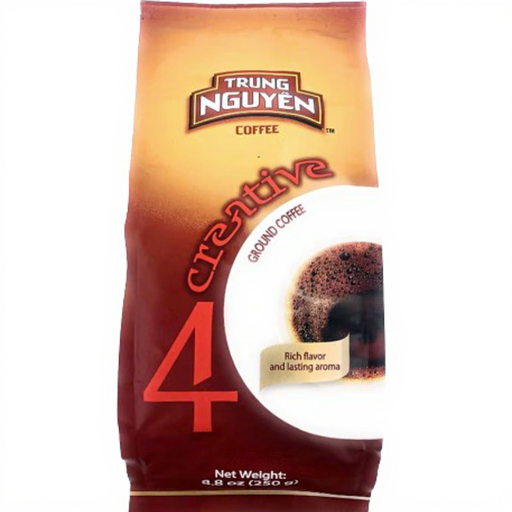
Trung Nguyen Creative Ground Coffee No4 250g
Why it suits this shopper: This ground coffee is intended for Vietnamese phin brewing and French press. It’s a good choice if you’d like to make coffee specialities from around the world.
The recommended dose – around 20 g to 60 ml of water – and suitable filter methods are specified, helping you avoid trial and error when brewing.
250 g pack; blend of Robusta, Arabica, Chari and Catimor; suitable for phin filters and French press.
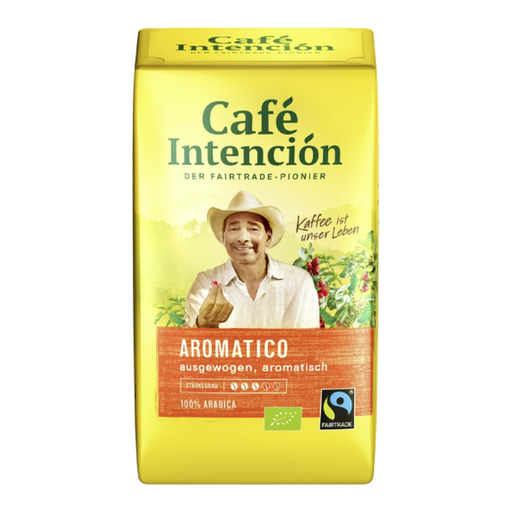
Café Intención Aromatico Organic Ground Coffee 500 g
Why it suits this shopper: Ground Arabica coffee for filter coffee machines, with organic and Fairtrade labelling according to the product information.
The organic and Fairtrade claims, along with certification DE-ÖKO-003, are more specific than general sustainability marketing. Buyers should also check the label on the packaging.
500 g of ground Arabica; medium roast; specified for filter coffee.
Looking for more options?
We’ve put together a complete, regularly updated list of products that meet these strict selection criteria and fully comply with the safety regulations in force in the EU.
More formats for different everyday occasions
For the office, coffee capsules, instant coffee or drip coffee can make preparation easier. Individually wrapped products mean less measuring and are easy to store without having to open a large pack. For the fridge or warmer days, ready-to-drink options such as hazelnut coffee or sugar-free espresso concentrate are worth considering.
If you’re looking for international varieties, choose from Vietnamese coffee, Turkish coffee and blends with different roast profiles. For coffee-with-milk mixes and 3-in-1 products, remember to factor in the sugar and milk ingredients when making your choice.
FAQ: Common questions about buying coffee online
Which type of coffee is suitable for a bean-to-cup machine?
Bean-to-cup machines are designed for whole coffee beans. Choose a Caffè Crema or espresso blend depending on the drink you want to make. It’s important to adjust the grind size, dose and brewing temperature. Ground coffee and capsules are intended for other types of machine.
How should you store coffee once it’s opened?
Store coffee in a cool, dry place away from direct sunlight. Seal beans and ground coffee as tightly as possible after each use. Most products shouldn’t be kept in the fridge, as moisture and other odours can affect the flavour.
Are coffee capsules cheaper than coffee beans?
It depends on the serving size, pack price and how much you use. Capsules make portioning easy, but often come with higher packaging and product costs per cup. Coffee beans can be better value if you drink coffee regularly, but you’ll need a bean-to-cup machine or a grinder. So don’t just compare the price per pack – consider the cost per cup you make.