
The Complete Soy Sauce Buying Guide
Choosing the right soy sauce can be a challenge. The shelf is filled with bottles that differ in colour, origin, and name. Picking the wrong product risks compromising the flavour of a carefully prepared dish. Many home cooks repeatedly make the same mistakes, whether due to misleading labels or a lack of understanding of the fundamental differences.
This guide will help you navigate the most common pitfalls and make an informed decision. We focus on the objective criteria that truly matter, so you can find the exact soy sauce that suits your cooking style and your dishes.
The 2 Most Common Mistakes When Buying Soy Sauce:
- Believing in a "Universal" Soy Sauce: A common misconception is that a single bottle of soy sauce is suitable for everything—from a dip for sushi to seasoning soups to colouring braised dishes. However, using a dark, thick soy sauce for a delicate fish dish can completely overpower its flavour. Conversely, a light soy sauce won't give a stew the desired deep colour and robust aroma.
- Being Misled by Marketing Terms: Terms like "traditional" or "naturally brewed" are not protected and can be misleading. While a sauce may be naturally fermented, it can still contain a long list of additives such as flavour enhancers (e.g., monosodium glutamate E621), colourings (e.g., caramel colour E150c), or preservatives. A close look at the ingredients list is therefore essential.
What Really Matters: The Decisive Selection Criteria
To avoid a bad purchase, you should check three core parameters. These will help you objectively evaluate the properties of a soy sauce and identify the right product for your needs.
1. Soy Sauce Type: Light, Dark, or Sweet?
The most fundamental distinction lies in the type of soy sauce, which determines its primary purpose.
- Light Soy Sauce (生抽): This is the most versatile and commonly used variety in Chinese cuisine. It is thin-bodied, has a light brown colour, and is primarily salty with a pronounced umami flavour. Use: Ideal for seasoning stir-fries, soups, as a dipping sauce, or for cold dishes. It seasons without significantly altering the colour of the dish.
- Dark Soy Sauce (老抽): This sauce is aged longer and often contains molasses or caramel, which gives it a deep dark colour and a thicker consistency. It is less salty than light soy sauce but has a more intense and slightly sweet flavour. Use: Mainly for colouring dishes like braised meats (e.g., Hong Shao Rou), noodles, or fried rice.
- Sweet Soy Sauce (e.g., Kecap Manis): This Indonesian specialty is very thick, almost syrupy, and has a dominant sweet taste from the addition of palm sugar. Use: Essential for dishes like Nasi Goreng or satay skewers. Perfect as a marinade, a glaze for grilled meat, or as a table condiment.
2. Origin and Brewing Method: Japanese vs. Chinese
Although both are made from soybeans, there are distinct flavour differences based on different brewing traditions.
- Japanese Soy Sauce (Shoyu): Typically made from a mixture of soybeans and wheat, which gives it a more balanced, slightly sweet, and complex aroma. It is the standard soy sauce for sushi and sashimi, as its flavour complements the delicate notes of the fish rather than overpowering them.
- Chinese Soy Sauce: This often uses a higher proportion of soybeans and less or no wheat. The result is usually a saltier and more robust sauce. The distinction between light and dark soy sauce is of central importance here.
3. The Ingredients List: Purity or Additives?
A high-quality soy sauce requires only a few ingredients: water, soybeans, wheat, and salt.
Pay attention to the order and the presence of additives:
- Flavour Enhancers (E621, E631, E635): These are added to artificially intensify the umami taste. Products without these additives rely on the quality of their fermentation.
- Colourings (E150a-d): Caramel colour is often used in dark soy sauces to intensify the colour or shorten the aging process.
- Organic Soy Sauce: If you value purely natural ingredients and the absence of genetically modified soybeans, an organic soy sauce is a great choice. These products are subject to stricter controls and often have a very short and clear ingredients list.
Product recommendations for everyone
Here are some recommendations tailored to different needs and cooking styles.
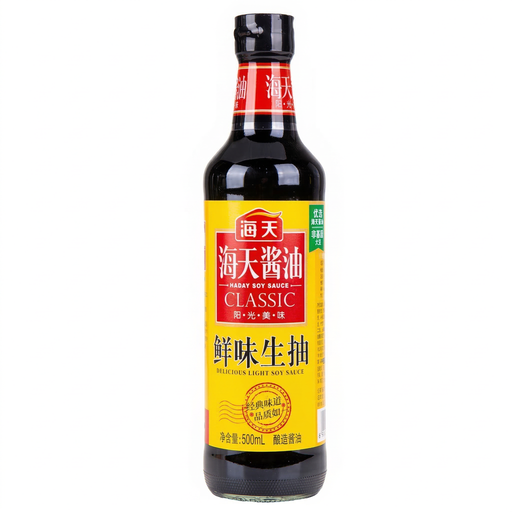
HADAY Superior Light Soy Sauce 500ml
Why This Fits Their Persona: This is a classic light Chinese soy sauce that serves as a reliable all-rounder for daily cooking. Its salty and clean umami profile is excellent for stir-fries, marinades, and as a dipping sauce, without masking the natural flavour of the ingredients.
As a clearly labelled "Light Soy Sauce," it prevents the mistake of using an unsuitable sauce for everyday seasoning. It is designed for flavouring, not for colouring.
Balanced salty-savoury flavour profile; versatile for numerous Chinese and Asian dishes.
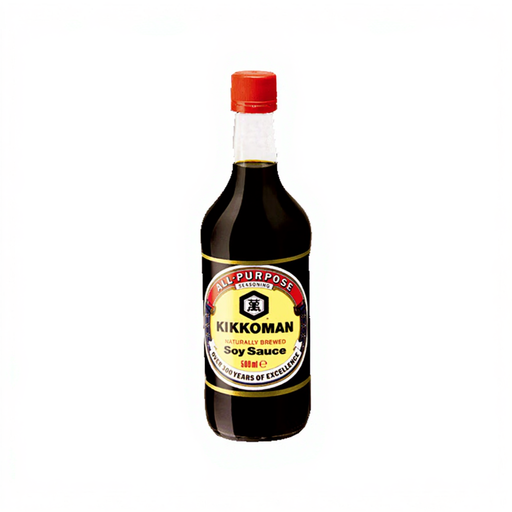
KIKKOMAN Traditionally Brewed Soy Sauce 500ml
Why This Fits Their Persona: This Japanese soy sauce is the epitome of quality and purity. It is the ideal choice for anyone seeking an authentic, balanced flavour for sushi, sashimi, or for refining soups and dressings.
The ingredients list consists of only four components: water, soybeans, wheat, and salt. This avoids the trap of hidden additives and delivers a pure, unadulterated flavour.
Naturally brewed without flavour enhancers; complex and mild aroma that enhances dishes without dominating them.
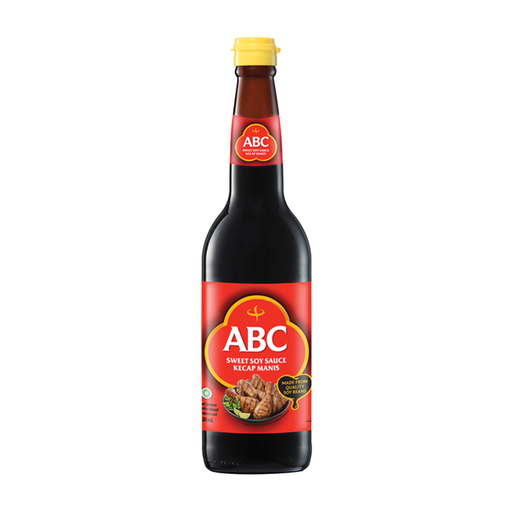
ABC Sweet Soy Sauce - Kecap Manis 620ml
Why This Fits Their Persona: For lovers of dishes like Nasi Goreng, Bami Goreng, or satay, Kecap Manis is indispensable. This thick, sweet soy sauce gives food an authentic Indonesian touch, a beautiful glaze, and a complex, caramel-like depth.
As a specialty product, it is clearly labelled "Sweet Soy Sauce." This prevents the mistake of accidentally using it like a regular, salty soy sauce, which would make a dish unpalatably sweet.
Syrupy consistency for a perfect glaze; intense sweet-salty flavour characteristic of Indonesian cuisine.
Looking for More Options?
We've compiled a complete, up-to-date list of products that meet these strict selection criteria and quality standards.
Frequently Asked Questions (FAQ)
1. How can I identify a high-quality soy sauce? You can primarily identify high quality by a short ingredients list limited to the basic ingredients: water, soybeans, wheat, and salt. The term "naturally brewed" is a good sign but should be confirmed by the absence of artificial flavour enhancers, colourings, and excessive sugar. An organic soy sauce is often a safe bet for purists.
2. Which soy sauce is best for sushi? For sushi and sashimi, a Japanese soy sauce (Shoyu) is the right choice. Its flavour is typically milder, more balanced, and less salty than many Chinese varieties. This complements the delicate taste of the fish and rice instead of overpowering it. Products like Kikkoman Sushi & Sashimi Soy Sauce are specifically formulated for this purpose.
3. How long does opened soy sauce last? Due to its high salt content, soy sauce has a very long shelf life even after opening. However, to best preserve its aroma and quality, it is recommended to store the bottle in the refrigerator and keep it tightly sealed after opening. Many manufacturers provide a recommended consumption period on the packaging after opening, often in the range of several months.