
Buying Soy Sauce: A Guide to Choosing the Right Option
Anyone who’s stood in front of the soy sauce aisle knows the overwhelming feeling. Light, dark, sweet, reduced-salt, Japanese, Chinese—the selection is vast. Grabbing the wrong bottle, however, can be more than just a matter of taste. An unsuitable product can ruin a carefully planned dish, whether through excessive saltiness or an unwanted colour.
As your Joybuy Product Recommendation Officer, I'm here to help you avoid the common pitfalls and make an informed decision. We'll focus on the facts so you can find the exact soy sauce that fits your cooking habits.
The Most Common Mistakes When Buying Soy Sauce
Many home cooks grab the first bottle they see without understanding the crucial differences. This often leads to disappointment and wasted money. Here are two of the most common mistakes to avoid:
- The "One-Sauce-Fits-All" Trap: The biggest misconception is assuming a single soy sauce is suitable for all dishes. Light soy sauce and dark soy sauce are not interchangeable versions of the same product. Light sauce is for seasoning and adding saltiness, while dark sauce is primarily for adding colour and a deeper, slightly sweet flavour. Preparing a braised dish with light soy sauce will result in a pale, often overly salty outcome.
- Ignoring the Ingredients List: Many commercial soy sauces contain more than just soybeans, wheat, water, and salt. They often include flavour enhancers like monosodium glutamate (MSG, E621), preservatives, or added sugar and colouring. If you're looking for a soy sauce without flavour enhancers or value a clean ingredients list, you must check the label carefully.
Key Criteria for Your Selection
To buy the right soy sauce, you should consider two core parameters: the type of sauce and its composition.
Sauce Type: Light, Dark, Sweet, or Speciality?
The function of the soy sauce in your dish determines which type you need.
- Light Soy Sauce (生抽, Shēngchōu): This is the all-purpose seasoning sauce in Asian cuisine. It is thin, has a light brown colour, and is primarily salty with a distinct umami flavour. It's used to season stir-fries, soups, marinades, and as a dipping sauce without significantly changing the colour of the dish.
- Dark Soy Sauce (老抽, Lǎochōu): This sauce is thicker and darker because it is aged longer and often has molasses or caramel added. It is less salty than light soy sauce but gives dishes a rich, deep brown colour and a full-bodied, slightly sweet aroma. It is essential for red-braised dishes (e.g., Hong Shao Rou) and for colouring noodles or rice.
- Sweet Soy Sauce (Kecap Manis): An Indonesian speciality that is very thick and syrupy. Due to its high palm sugar content, it has a predominantly sweet taste with a salty note in the background. Kecap Manis is the foundation for dishes like Nasi Goreng and a key component of satay marinades.
- Reduced-Salt Soy Sauce: For health-conscious consumers or for dishes where saltiness needs to be precisely controlled, a reduced-salt soy sauce is a sensible choice. These products offer the umami flavour with a significantly lower sodium content.
Brewing Method and Origin: A Look at the Label
The origin and production method have a major impact on the flavour profile.
- Chinese Soy Sauce: Traditionally made primarily from soybeans, which often results in a stronger, saltier, and earthier flavour profile. Brands like Haday Soy Sauce are prominent examples.
- Japanese Soy Sauce (Shōyu): This style typically uses a balanced ratio of soybeans and wheat. The result is often a slightly sweeter, more complex, and nuanced aroma. Kikkoman Soy Sauce is a world-renowned example of this style.
Look for the term "naturally brewed." This indicates a traditional fermentation process, which stands in contrast to the faster chemical hydrolysis method and generally produces a more complex flavour.
Cooking Picks for Every Need
Here are some recommendations tailored to specific needs and cooking styles.
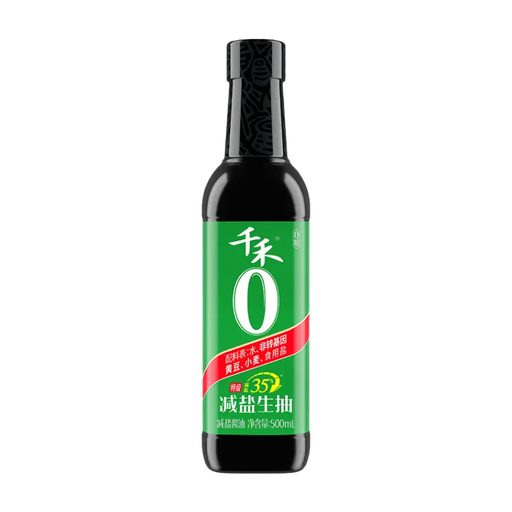
Qianhe 35% Reduced Salt Light Soy Sauce 500ml
Why This Fits Their Persona: Ideal for anyone who wants full umami flavour without excessive salt. The clean, short ingredients list with no added flavour enhancers or preservatives meets the demand for a health-conscious diet.
This product directly addresses the trap of hidden additives and high salt content. The "35% Reduced Salt" label is unambiguous, and the ingredients list is transparent.
Significantly reduced salt with full flavour. Made from only five ingredients (water, soybeans, wheat, salt, sugar) with no artificial additives.
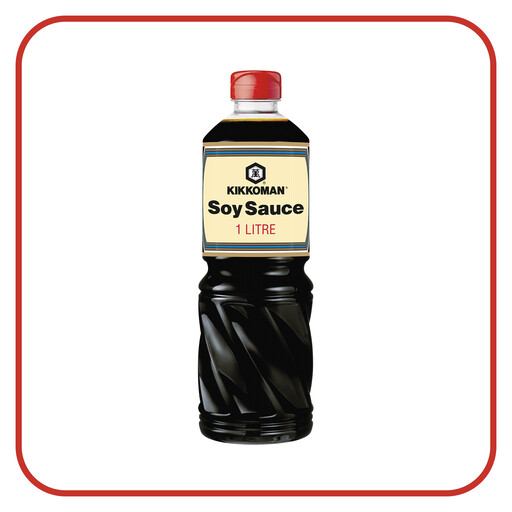
KIKKOMAN Soy Sauce (PET) 1L
Why This Fits Their Persona: A reliable all-rounder in an economical 1-litre bottle. Kikkoman's Japanese soy sauce is versatile and suitable for a wide range of dishes, making it a practical staple for any kitchen.
As a naturally brewed sauce from just four ingredients, it bypasses the trap of chemically produced products with long ingredient lists. Its versatility makes it a solid choice that reduces the need for many speciality sauces.
Naturally brewed with no artificial additives. The large 1-litre bottle offers excellent value for money for frequent use.
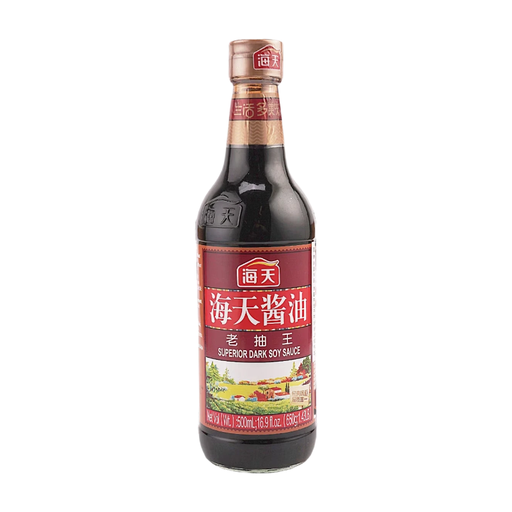
HADAY Superior Dark Soy Sauce 500ml
Why This Fits Their Persona: Anyone wanting to prepare authentic Chinese braised dishes needs a soy sauce that provides colour and depth. This dark soy sauce is designed for exactly that, delivering the characteristic reddish-brown colour and rich flavour.
This product solves the "one-sauce-fits-all" problem. It is the right tool for a specific job—colouring dishes—and prevents the disappointing result that comes from using light soy sauce instead.
Gives dishes an intense, appetising colour and a balanced, slightly sweet depth without being overly salty. Its thick consistency clings well to ingredients.
Looking for More Options?
We have compiled a complete, real-time list of products that fully satisfy these strict selection criteria and UK safety regulations.
Frequently Asked Questions (FAQ)
Can you simply swap light and dark soy sauce?
No, swapping them is not recommended as they have different functions. Light soy sauce is primarily for salting and seasoning. Dark soy sauce is mainly for colouring and adds a deeper, sweeter note with less saltiness. Using the wrong sauce can make your dish either too salty and pale, or too dark and not salty enough.
How do I store soy sauce and how long does it last?
Unopened soy sauce should be stored in a cool, dark place and can often last for several years. After opening, it is advisable to keep the bottle in the refrigerator. Due to its high salt content, it has a very long shelf life even when opened, typically at least 6 to 12 months. However, the flavour may lose its intensity over time.
What is the main difference between Japanese and Chinese soy sauce?
The main difference often lies in the ratio of ingredients and the resulting taste. Japanese soy sauce (Shōyu) typically contains a significant amount of wheat, which gives it a slightly sweet and complex aroma. Chinese soy sauce is often brewed with a higher proportion of soybeans, which tends to make it stronger, earthier, and saltier.