
Buying soy sauce: how to compare varieties, ingredients and sizes
If you’re looking to buy soy sauce, you’ll find plenty of options from online retailers in the UK: light soy sauce, Chinese soy sauce, Japanese soy sauce, sweet soy sauce, reduced-salt products and gluten-free alternatives. But bottles differ in more than just brand and price. The ingredients, salt content, production method and pack size all help determine whether a sauce suits your cooking routine.
Common pitfalls when buying soy sauce
1. “Light” can be misleading
The term light soy sauce primarily describes the colour and how the sauce is used, not necessarily its salt content. A light sauce can taste intensely salty and is generally suitable for seasoning, marinades, soups and stir-fries. If you’re specifically looking to reduce your salt intake, check the nutritional information per 100 ml and look for claims such as “Less Salt” or “30% Salt Reduced”.
2. “Natural” doesn’t tell you much about the recipe on its own
Claims such as “naturally brewed”, “traditional” or “no additives” should be checked against the ingredients list. Key ingredients to look out for include soya beans, wheat, salt, sugar, sweeteners, flavour enhancers and preservatives. A short ingredients list may appeal to some shoppers, but it isn’t a guarantee of quality or health benefits.
3. Large bottles aren’t practical for every household
A bulk pack of soy sauce containing 1.6 to 1.9 litres can be cost-effective for frequent users, families or professional kitchens. If you only use it occasionally, a smaller bottle is often easier to handle. Follow the storage instructions on the label once opened. Some products should be refrigerated and used promptly. The bottle opening and a secure cap also matter for everyday use.
What to check before buying
Flavour and intended use
A classic light soy sauce works well in many dishes. Use it for stir-frying, marinades and soups, or as a seasoning at the table. Soy sauce for stir-frying should be easy to measure out and shouldn’t overpower the dish. For soy sauce for marinades, the salt content, sweetness and consistency are all important.
Japanese soy sauce is often brewed from soya beans and wheat. It goes well with sushi, rice dishes and vegetables, and can also be served as a dip. Chinese soy sauce comes in light and dark varieties; the light products considered here are generally intended for everyday seasoning.
Sweet soy sauce, also known as Kecap Manis, is much thicker and higher in sugar. It works well in dishes such as Nasi Goreng, satay and stir-fried noodles, as well as in glazes or with tofu. It won’t replace classic light soy sauce in every recipe.
Ingredients and allergens
Soya beans and wheat are common ingredients in many sauces. If you have a wheat allergy or follow a gluten-free diet, checking the allergen information is essential. A gluten-free soy sauce such as KIKKOMAN Tamari Gluten Free lists soya beans as an allergen and, according to the ingredients list provided, contains no wheat. You should still check the packaging before eating it.
Vegetarian and vegan households should also check the ingredients list. According to the information available, the products mentioned contain no animal-derived ingredients. The labelling on each product’s packaging remains the definitive guide.
Salt, sugar and bottle size
Soy sauce is a concentrated seasoning. So compare the figures per 100 ml, not just the serving size. Sweet varieties can have a much higher sugar content. For a reduced-salt soy sauce, look for a clearly stated reduction.
Bottles of 1 to 1.9 litres can be practical if you cook regularly. If you only make sushi or wok dishes occasionally, a 250 ml to 500 ml bottle gives you more flexibility and helps avoid keeping it for too long after opening.
Products for different needs
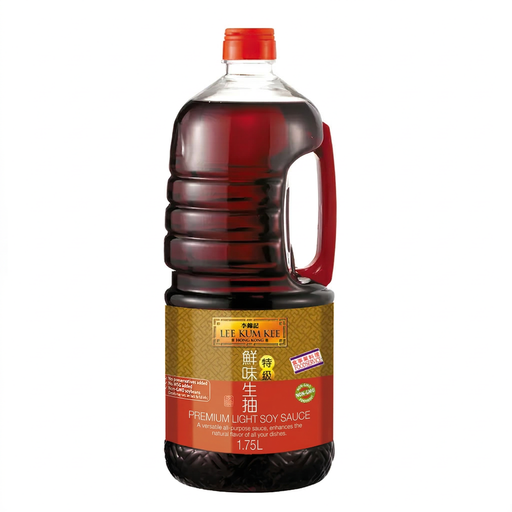
Lee Kum Kee Premium Light Soy Sauce 1.75L
Why this product suits this profile: The large bottle is a good choice for households that regularly stir-fry, marinate and make dips.
The product details state that the bottle holds 1.75 litres and clearly outline its uses. This makes it easier to compare the amount you’re buying with how much you actually use.
A light soy sauce for marinades, stir-fries and seasoning at the table; the salt content is listed as 7.76 g of sodium per 100 ml.
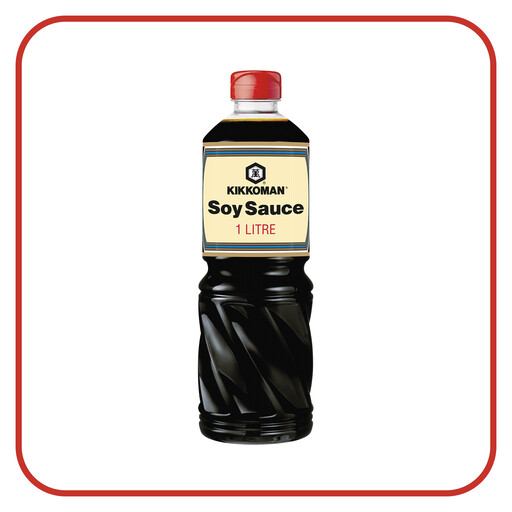
KIKKOMAN Soy Sauce PET 1L
Why this product suits this profile: According to the product information, the recipe is limited to four ingredients and is described as traditionally brewed.
The ingredients list names water, soya beans, wheat and salt. This makes it easier to compare additives with those in other recipes.
Suitable for dipping, stir-frying and marinating; the 1-litre bottle and clearly listed allergens make it easier to choose the right product.
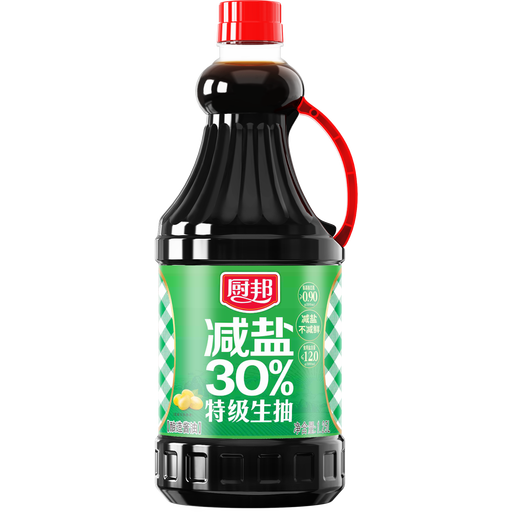
ChuBang 30% Salt Reduced Premium Light Soy Sauce 1.25L
Why this product suits this profile: This sauce is aimed at shoppers looking for a clearly stated salt reduction who season food regularly.
The salt reduction is stated in the product name. The ingredients list also identifies a flavour enhancer and a preservative.
A 1.25-litre bottle; according to the product information, it contains 30% less salt and is suitable for dipping, stir-frying and seasoning.
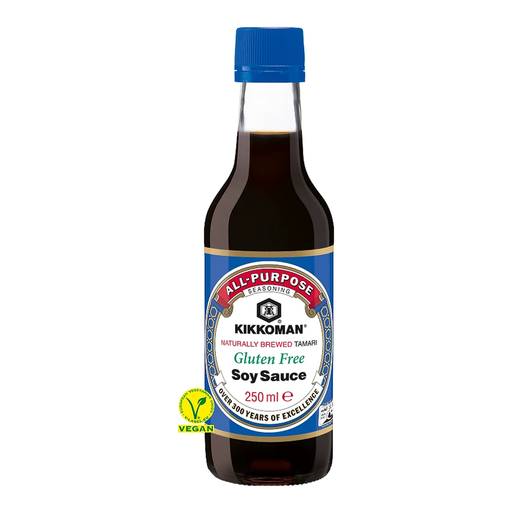
KIKKOMAN Tamari Gluten Free Soy Sauce 250ml
Why this product suits this profile: The smaller bottle is suitable for households looking for a gluten-free option to use in modest quantities.
The product name explicitly says “Gluten Free”. Wheat isn’t listed in the ingredients provided, but you should still rely on the packaging.
Contains 250 ml; according to the product information, it contains no wheat and no added colourings, preservatives or flavour enhancers.
Looking for more options?
We’ve put together a complete, regularly updated list of products that meet these strict selection criteria and fully comply with the safety regulations in force in the EU.
FAQs about buying soy sauce
Which soy sauce is best for dipping?
A light Japanese or Chinese soy sauce usually goes well with sushi, dumplings, spring rolls and cold dishes. If you prefer a thicker, sweeter consistency, try Kecap Manis. According to the product information, this variety is high in sugar, so it tastes quite different from a classic light sauce.
How long does soy sauce last once opened?
This depends on the product and how it’s stored. Unopened bottles are generally kept in a cool, dry place out of direct sunlight. After opening, some suppliers recommend refrigerating the sauce or using it promptly. Always check the best-before date and the specific instructions on the label.
Is a bulk pack of soy sauce worth it?
A bulk pack can be worthwhile for frequent users, large households, restaurants and professional kitchens. Consider how much you use, how much storage space you have and how long the sauce is recommended to be kept after opening. For occasional use, a 250 ml to 1-litre bottle is often a better fit for your needs.