
Buying Red Beans: Avoiding Common Mistakes
Red beans are a versatile ingredient found in kitchens worldwide—from hearty chili con carne to delicate Asian desserts. However, the selection on the supermarket shelf can quickly become confusing. Anyone who has ever accidentally bought the wrong beans for a recipe knows the problem: the result is disappointing, and the ingredients are wasted. This guide will help you navigate the most common pitfalls and find the right product for your culinary project.
The two most common mistakes during purchase are confusing bean varieties and misjudging the convenience factor. Not every red bean is suitable for every dish. Furthermore, ready-made products like canned beans or sweet pastes often contain undesirable additives such as high amounts of sugar or salt, which can compromise the original nutritional value and flavour.
What Really Matters: The Key Selection Criteria
To ensure you choose the right product for your needs, you should check three core parameters. These will help you understand the differences between the offerings and make an informed decision.
1. Bean Variety: Kidney Beans Are Not the Same as Adzuki Beans
The term "red beans" is an umbrella term for different varieties with distinct properties. The two most relevant for most home cooks are kidney beans and adzuki beans.
- Kidney Beans: These large, kidney-shaped beans are the classic choice for Western dishes. They have a firm, mealy texture and hold their shape even after long cooking times. This makes them ideal for stews, salads, and of course, chili con carne. When buying kidney beans, look for a uniform shape and colour.
- Adzuki Beans: These smaller, rounder beans are native to Asian cuisine. They have a slightly sweet taste and a softer texture that becomes almost creamy when cooked. They are the basis for the popular red bean paste (Anko), which is used in many Asian sweets like mochi, dorayaki, or ice cream.
Choosing the wrong variety will inevitably lead to an unsuitable result. Kidney beans in a dessert would be too firm and their flavour would be out of place, while adzuki beans would fall apart too quickly in a chili.
2. Processing Form: Dried Red Beans vs. Canned Red Beans
The decision between dried and pre-cooked beans depends on your available time and culinary priorities.
- Dried Red Beans: This form offers maximum control over the final product. You can determine the salt and sugar content yourself, and there are no additional preservatives or additives. Dried red beans are also often more cost-effective, especially in larger quantities. The downside is the time commitment: they typically need to be soaked overnight and then cooked for a long time.
- Canned Red Beans: The canned red bean is the time-saving alternative. The beans are already cooked and ready to use, which is ideal for quick meals. However, a close look at the ingredients list is essential here. Many products contain added sugar, salt, or modified starch to improve flavour and shelf life.
3. Ingredient List for Processed Products
For processed products like sweet red bean paste or seasoned canned beans, the ingredients list is your most important tool. Pay attention to the sugar and salt content. Some pastes contain a very high proportion of sugar that overpowers the natural bean flavour. In savoury canned products, the salt content can also be high. Products with a short, understandable ingredients list are usually the better choice.
Our Recommendations By Need
To make your choice easier, we have compiled a few products for typical user profiles.
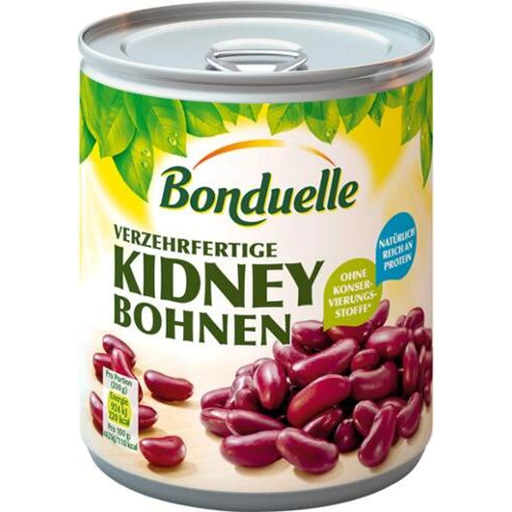
Bonduelle Red Kidney Beans 850ml
Why This Fits Their Persona: Ideal for those who want to quickly prepare a nutritious and hearty meal like chili or a bean salad after work, without a long prep time.
This product eliminates the biggest time-waster: soaking and cooking dried beans. It provides the right variety (kidney beans) for classic savory dishes.
Ready to use; consistent quality and texture; large, pantry-friendly can.
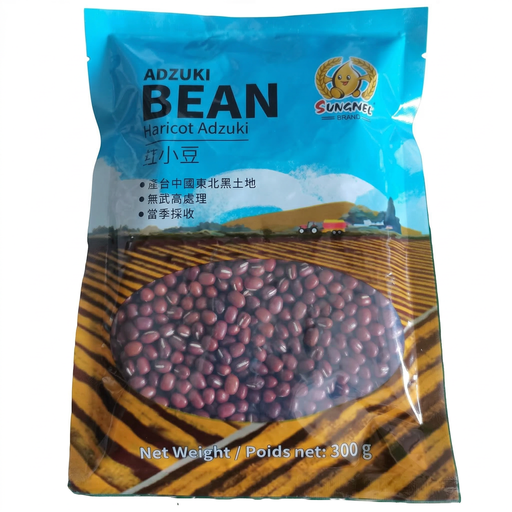
Sungiven Red Adzuki Beans 300g
Why This Fits Their Persona: Perfect for anyone wanting to make authentic Asian desserts like red bean soup or homemade red bean paste for mochi and dorayaki.
Ensures the correct bean variety (Adzuki) is used, which is essential for the sweet, soft texture of Asian desserts. Prevents the mistake of using the wrong kidney beans.
Authentic flavor; becomes soft and creamy when cooked; free from additives.
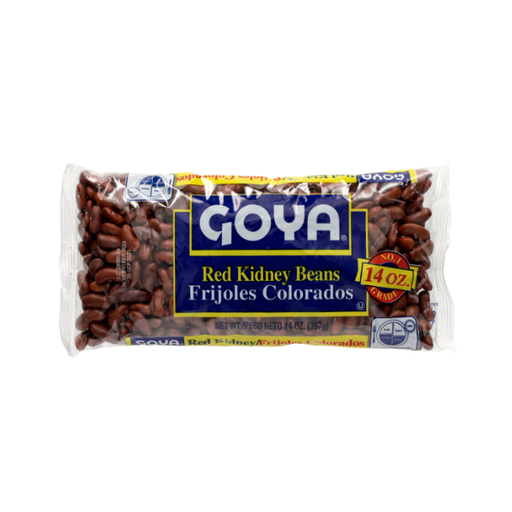
GOYA Red Kidney Beans (Dry) 397g
Why This Fits Their Persona: For those who value unprocessed foods and want full control over their meal preparation, especially the salt and sugar content.
This product bypasses the pitfall of hidden additives in canned goods. It consists of 100% red kidney beans, with no added salt, sugar, or preservatives.
Pure, unprocessed ingredient; full control over seasoning; long shelf life and ideal for stocking the pantry.
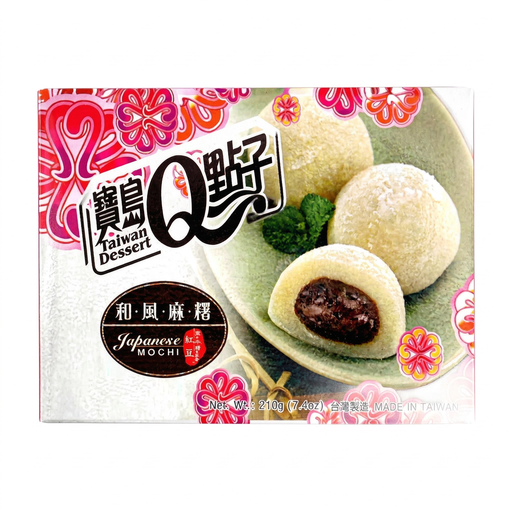
Q-Brand Japanese-Style Red Bean Mochi 210g
Why This Fits Their Persona: For anyone who wants to try traditional Asian sweets without the hassle of making them from scratch. A ready-to-eat snack for an instant treat.
Offers an authentic taste experience without having to deal with the complex preparation of mochi and red bean paste.
Ready to eat; classic soft, chewy texture; authentic sweet bean flavor.
Looking for More Options?
We've compiled a complete, up-to-date list of products that fully meet these strict selection criteria.
Frequently Asked Questions (FAQ)
Do you need to cook canned red beans?
No, red beans from a can are already fully cooked and can be used directly. However, it is recommended to rinse them in a sieve under clear water before use to remove excess salt or the canning liquid. They can be used cold in salads or heated in stews and other dishes.
What is the difference between kidney beans and adzuki beans?
The main difference lies in their size, texture, and flavour, which determines their use. Kidney beans are large, kidney-shaped, and hold their form during cooking, making them ideal for savoury dishes like chili. Adzuki beans are smaller, rounder, have a sweeter taste, and become soft and creamy when cooked, which is why they are the standard ingredient for Asian desserts and red bean paste.
How long do dried red beans need to be soaked and cooked?
Dried red beans (especially kidney beans) should be thoroughly soaked before cooking. A soaking time of 8-12 hours, or overnight, is common. After soaking, drain the water, rinse the beans, and bring them to a boil in fresh water. The cooking time is about 60-90 minutes, depending on the variety and age of the beans, until they are soft. Raw or undercooked kidney beans should not be consumed.