
Buying Nori Sheets: A 2026 Guide for Your Sushi Kitchen
Crafting authentic sushi and other Japanese delicacies at home starts with selecting the right ingredients. One of the most essential components is nori sheets. However, when you try to buy nori sheets, you're often faced with a vast array of options: different quality grades, package sizes, and brands. Choosing the right sushi seaweed can make or break your dishes.
This guide is designed to help you understand the characteristics of Yaki Nori (roasted seaweed sheets) and make an informed decision. As your Joybuy Product Recommendation Officer, I've compiled objective information and key product features to help guide your choice.
What to Look for When Buying Nori Sheets
To find the perfect seaweed for sushi, it's helpful to know a few basic criteria. These points can assist you in your selection.
1. Understanding Quality Grades: Gold, Silver, and Green
Nori sheets are often categorized into quality grades, which differ in color, texture, and flavor.
- Gold (A-Grade): These sheets are typically darker, thicker, and have a deeper luster. They are considered especially aromatic with a pronounced umami flavor and are highly durable, making them ideal for maki rolls.
- Silver (B-Grade): A very common grade that offers an excellent balance of quality and price. The sheets are slightly lighter and thinner than Gold grade but are still sturdy enough for most sushi applications.
- Green (C-Grade): These sheets are often lighter, thinner, and can be more brittle. They are well-suited as an ingredient in soups, as a garnish, or for onigiri, where tear resistance is less important.
2. Consider Your Intended Use
Think about what you will primarily use the Japanese nori for. To roll maki sushi, you need flexible and sturdy sheets that won't tear during rolling. For this, roasted seaweed sheets, also known as Yaki Nori, are the standard choice. However, if you plan to shred the seaweed as a crispy topping for ramen or salads, or use it for making rice balls (onigiri), the requirements for the sheet's structure are less strict.
3. Package Size and Proper Storage
Nori is hygroscopic, meaning it absorbs moisture from the air. This can cause the sheets to lose their crispness and become chewy. Pay attention to the package size: if you only make sushi occasionally, smaller packs of 10 sheets are often more practical. For regular use, larger packs of 50 or more sheets can be more economical. After opening, the sheets should always be stored in an airtight container in a cool, dry, and dark place.
Our Selection of Nori Sheets for 2026
Based on the criteria above, we have put together a selection of products that cater to different needs.
Zhongye Sushi Seaweed 28g (10 Silver Grade)
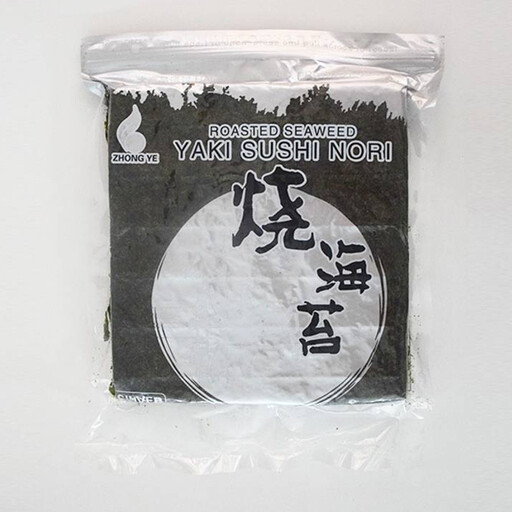
Why it stands out: This product provides a solid foundation for home sushi making. Its classification as Silver Grade indicates a well-balanced texture and aroma for everyday use.
Benefits:
- Quality Grade: Silver Grade, suitable for a variety of sushi rolls.
- Package Size: Contains 10 sheets, ideal for preparing 2-4 servings of sushi.
- Ingredients: Made from 100% dried seaweed (laver), according to the manufacturer.
Who it's for: For home cooks who regularly make sushi and are looking for a reliable, standard-quality nori for maki and other rolls.
Zhongye Sushi Seaweed 28g (10 Gold Grade)
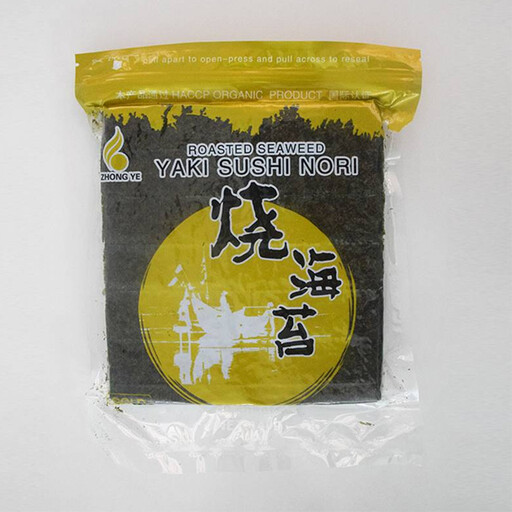
Why it stands out: Designated as Gold Grade, this product is for those who prioritize premium sheet quality. It promises a firmer texture and a more intense flavor experience.
Benefits:
- Quality Grade: Gold Grade, for a refined aroma and a robust structure.
- Flavor Profile: Ideal for dishes where the inherent flavor of the nori plays a key role.
- Nutritional Information: According to the manufacturer, contains 35g of protein and 35g of carbohydrates per 100g.
Who it's for: For enthusiasts of Japanese cuisine who aim for a result in their homemade sushi creations that features a particularly distinct umami flavor.
Obento Yaki Nori 50 Sheets 125G
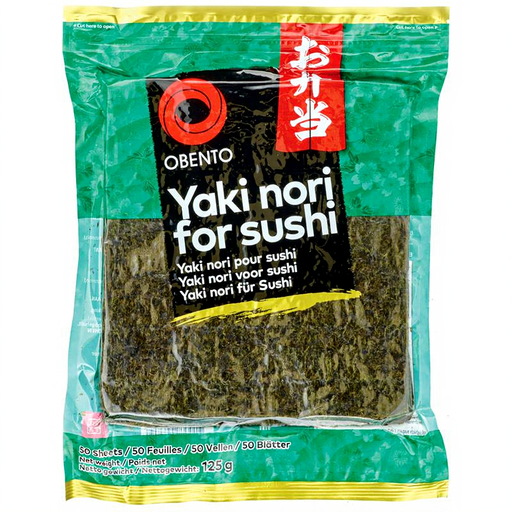
Why it stands out: This product is notable for its bulk size and versatility. As Yaki Nori, the sheets are already roasted and ready to use. The quantity of 50 sheets makes it an economical choice for frequent use.
Benefits:
- Quantity: The package contains 50 sheets, making it perfect for frequent use or for serving larger groups.
- Versatility: Suitable not only for sushi but also for onigiri or as a garnish for soups and noodle dishes.
- Ingredient: Made from the seaweed species Porphyra yezoensis.
Who it's for: For families, shared households, or ambitious home cooks who frequently prepare Japanese dishes and prefer a larger supply of versatile nori sheets.
Looking for something else?
Now that your kitchen is equipped for culinary adventures, you might want to refresh other areas of your home. For a stylish and natural atmosphere in your outdoor space, our selection of outdoor natural-weave rugs could be of interest.
Discover our collection of outdoor natural-weave rugs here.
Frequently Asked Questions about Nori Sheets
What is the difference between Nori and Yaki Nori? "Nori" is the general Japanese term for edible seaweed from the Porphyra genus. "Yaki Nori" specifically refers to roasted seaweed sheets. After harvesting and drying, the sheets are briefly roasted, which makes them crispier and develops their characteristic aroma. Yaki Nori is used almost exclusively for sushi.
How do I properly store opened nori sheets? To maintain their crispness, you should immediately transfer opened nori sheets to an airtight container or a resealable bag. Store it in a cool, dry, and dark place. Some packages include a small desiccant packet, which you can leave in the container to absorb any residual moisture.
Are nori sheets a nutritious ingredient? Nori sheets are an ingredient that contains certain nutrients. According to the product details of the items featured here, 100g of nori contains a high amount of protein, for example. They are also low in calories. For precise nutritional information, you should always check the details on the respective product packaging.