
Buy Korean Gochujang Chilli Paste: A Selection Guide for Authentic Korean Dishes
Korean gochujang chilli paste is an essential seasoning base for bibimbap, tteokbokki, soups, marinades and dips. Depending on the recipe, this red paste combines heat, sweetness, saltiness and a savoury note developed through fermentation. However, not every product is suitable for the same purpose, whether you are buying for your household, cooking as a hobby, or running a catering or hospitality business.
The key factors are less about eye-catching packaging or general claims such as “extra hot” and more about the ingredients list, allergens, pack size and storage instructions. The following selection can help you avoid common buying mistakes and choose Korean red chilli paste to suit your needs.
Common buying mistakes when choosing Korean chilli paste
1. Gochujang and Korean chilli sauce are used in the same way
Not every Korean chilli sauce is a pure gochujang paste. A fermented chilli paste is usually thick and is mixed with additional ingredients such as water, stock, sesame oil or vinegar to create a seasoning base. A sauce already flavoured with vinegar, fruit or citrus notes, on the other hand, is generally more suitable as a ready-to-use dip.
So, if you want to buy gochujang for bibimbap, tteokbokki or marinades, check whether it is a paste or a ready-to-use sauce.
2. A larger pack is not automatically more economical
A 1-kilogram pack can make sense for regular cooking or use in a catering business. For occasional use, however, a smaller pack may be more practical, as opened gochujang products often need to be refrigerated. Before buying, consider:
- How often do you cook Korean food each week?
- Will you use the paste in several dishes?
- Is there enough room in the fridge after opening?
- Will the pack be used in a household or a professional kitchen?
3. Heat alone does not describe the flavour
The level of heat is influenced, among other things, by the proportion of red chilli powder. The ingredients list also shows whether the product contains rice paste, corn syrup, soya beans, garlic or grains, for example. These ingredients shape the sweetness, consistency and umami character. A paste described as “hot” is therefore not automatically the right seasoning base for every dish.
Important criteria to consider before buying
Check the ingredients and fermentation
Classic gochujang often contains chilli powder, rice or glutinous rice, fermented soya beans, salt and sweeteners. The exact recipe varies from brand to brand. Products such as Sempio Gochujang 500 g, for example, state a proportion of 46.7% fermented and matured rice paste and 11.3% chilli powder.
Consistency is important in Korean cooking. A thick paste can be measured into marinades, stews and tteokbokki sauces. For a dip, it is usually stirred together with liquid and other seasonings.
Consider allergens and dietary requirements
Gochujang may contain soya, wheat, gluten, barley, mustard or sesame. The information varies from one product to another. If you need to take allergies or intolerances into account, check the packaging information before every use.
Chung Jung One O'Food Hot Sauce Gochujang for Bibimbap 300 g is labelled HALAL, but according to the product information it contains wheat, soya, mustard and sesame. This type of certification therefore does not replace an individual check of the ingredients list.
Match the pack size to your storage options
Small sizes between 170 and 200 g are suitable for trying gochujang for the first time or for households that only use it occasionally. Packs of 300 to 500 g are a good choice for regular cooking. For catering, restaurants or very active home kitchens, 1 kg or 14 kg packs may be relevant.
Many products can be stored unopened in a dry place at room temperature. After opening, refrigeration at around 2 to 8 °C is often recommended. The instructions on the relevant label always take priority. The best-before date should also be considered before buying, particularly for larger packs.
Our selection by user profile
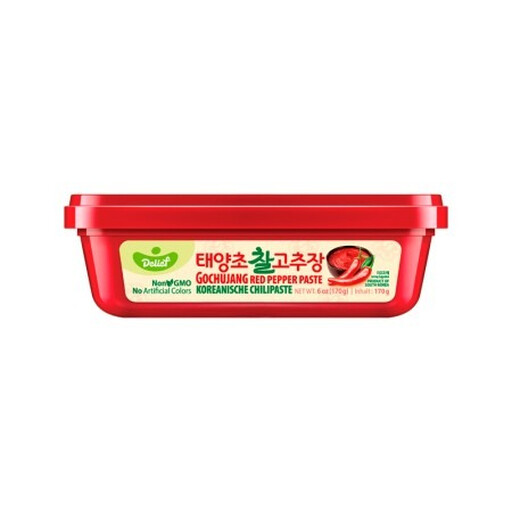
Delief Red Pepper Paste Gochujang 170g
Why this product suits this profile: The 170 g tin limits the risk of building up an unnecessarily large stock and is suitable for trying out recipes such as bibimbap, soups or marinades.
The manageable quantity avoids an unnecessarily large stock if you are trying the paste for the first time. Refrigeration is recommended after opening.
Fermented recipe with red chilli powder, glutinous rice and soya beans; suitable for dips, stews and marinades.
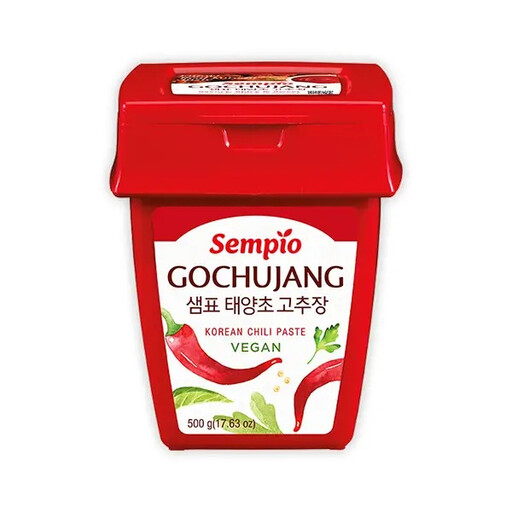
Sempio Gochujang, Korean Chilli Paste 500g
Why this product suits this profile: The medium-sized pack provides clear ingredient information and is suitable for preparing Korean dishes regularly.
The stated proportion of fermented rice paste and chilli powder makes it easier to compare this product with other recipes. Allergens such as soya and wheat are listed.
500 g pack; according to the product information, suitable for storage at room temperature when unopened; suitable for tteokbokki, jjigae, bibimbap and bulgogi marinades.
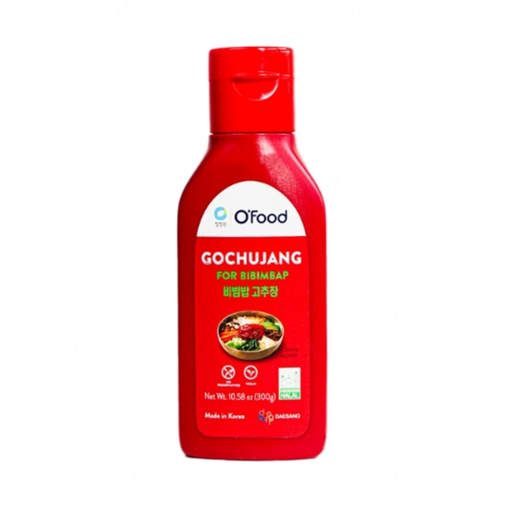
CHUNG JUNG ONE O'FOOD Hot Sauce Gochujang for Bibimbap 300g HALAL
Why this product suits this profile: The 300 g pack is designed for bibimbap, stir-fried dishes, marinades and dips, and carries a HALAL label.
The product type and intended use are clearly stated. At the same time, wheat, soya, mustard and sesame are listed as allergens.
Can be stored unopened in a dry place at room temperature; after opening, refrigeration at 2–8 °C is recommended.
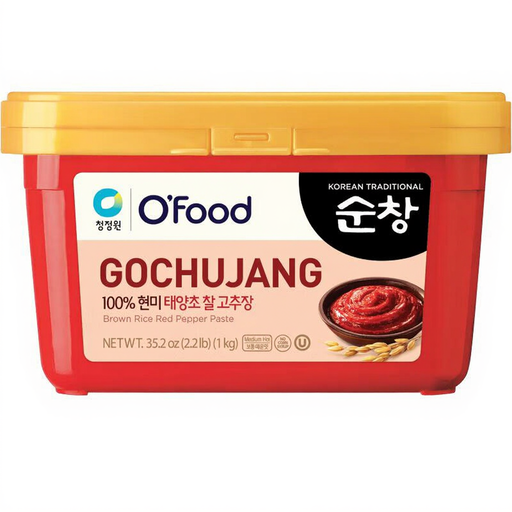
O'Food Gochujang Hot Red Pepper Paste x 1kg
Why this product suits this profile: The 1 kg pack is aimed at kitchens with regular consumption, such as catering businesses, restaurants or frequent home cooks.
The large pack only makes sense if consumption is regular. The “contains soya” notice makes it easier to check for allergens before use.
1 kg net quantity; according to the product information, made in South Korea; suitable for bibimbap, tteokbokki, stews and marinades.
Looking for more options?
We have compiled a complete, regularly updated list of products that fully meet these strict selection criteria and the safety regulations applicable in the EU.
How to use gochujang correctly
For gochujang for bibimbap, the paste is often mixed with sesame oil, rice vinegar, garlic or a little water to make a sauce. For gochujang for tteokbokki, it is usually heated with water or stock and other ingredients. As a Korean paste for marinades, it can be combined with soya sauce, sesame oil and garlic.
Add the paste gradually. This allows you to adjust the heat, saltiness and sweetness to suit vegetables, meat, tofu or rice. With delicate ingredients, it is best to dissolve the paste in a small amount of liquid first.
Frequently asked questions about gochujang
How long does gochujang keep after opening?
This depends on the product, packaging and kitchen hygiene. Many manufacturers recommend refrigerating the paste after opening and using it within the period stated on the pack. Use a clean spoon, make sure the lid is closed securely, and check the smell, colour and consistency. The best-before date and the manufacturer’s instructions remain decisive.
Is gochujang very hot?
The perceived level of heat varies depending on the recipe and the proportion of chilli powder. Sweetness, saltiness and fermentation notes can also affect how it tastes. Beginners should start with a small amount and then dilute it with water, stock, sesame oil or other ingredients.
Which pack size is right for a household?
Packs of 170 to 200 g are suitable if you are trying gochujang for the first time or only use it occasionally. Packs of 300 to 500 g are a good choice for regular use in bibimbap, tteokbokki and marinades. A 1 kg pack is mainly worthwhile if you cook frequently or use it professionally.