
Buying Kimchi: Your 2026 Guide
Kimchi is a cornerstone of Korean cuisine, based on the method of fermenting vegetables. Traditionally, this involves using Korean napa cabbage, which is mixed with a seasoning paste made from ingredients like gochugaru (Korean chilli powder), garlic, ginger, and, depending on the recipe, other additions such as fish sauce or spring onions. Through the fermentation process, kimchi develops its characteristic tangy, spicy, and complex flavour profile, known as umami. It is served as a side dish (banchan) with nearly every meal or used as an ingredient in dishes like stews (jjigae) and fried rice.
What to Look for When Buying Kimchi Online
Selecting the right kimchi depends on specific, objective criteria. An informed decision is based on analysing the ingredients, degree of fermentation, and packaging type.
1. Ingredient List and Recipe
The composition reveals the flavour profile and its suitability for specific dietary needs.
- Traditional Recipes: These often contain animal products like fish sauce (jeotgal) or fermented shrimp, which provide a deeper umami note. Brands like Jongga Kimchi frequently follow this approach.
- Vegan Recipes: To create a plant-based alternative, fish sauce and other animal-derived components are omitted. Instead, ingredients like soy sauce, miso paste, or mushroom extracts are used to achieve a comparable depth of flavour. Vegan kimchi is often explicitly labelled as such, as is the case with certain bibigo Kimchi products.
- Additives: Some products contain flavour enhancers (e.g., monosodium glutamate E621) or sweeteners (e.g., sorbitol E420) to standardise the taste profile. Others deliberately avoid these, relying on purely natural fermentation.
2. Fermentation Level and Flavour
The maturity of the kimchi significantly influences its taste.
- Fresh Kimchi (Geotjeori): This type is only briefly fermented, or not at all. It tastes primarily fresh, crisp, and spicy, with low acidity.
- Aged Kimchi: As fermentation progresses, the cabbage softens and the flavour develops a pronounced sourness. Heavily fermented kimchi is ideal for cooked dishes like kimchi-jjigae, as its intense acidity forms an excellent flavour base.
3. Packaging and Storage
The packaging plays a key role in shelf life and handling.
- Jars: These are resealable and allow for good control over the ongoing fermentation process in the refrigerator.
- Pouches: These are often more space-efficient and lightweight. Some are designed for direct consumption in smaller portions and do not require long-term storage after opening.
- Cans: These offer a long shelf life at room temperature and are durable for transport.
Our Product Selection for 2026
The following selection is based on an analysis of product specifications and composition to meet a variety of requirements.
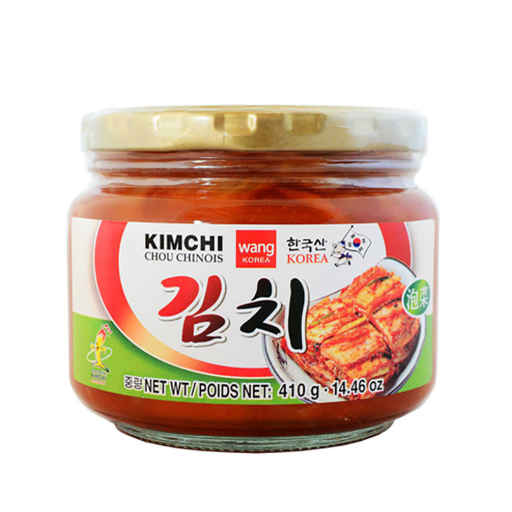
Wang Cabbage Kimchi 410g
-
Why We Feature This Product This kimchi from Wang is distinguished by its high content of salted napa cabbage (75%). The recipe is designed for a classic, savoury flavour profile and, according to the ingredient list, omits fish or shrimp sauce, making it accessible to a broad audience. The 410g pack size is well-suited for regular use as a side dish or cooking ingredient.
-
Objective Specifications
- Main Ingredient: 75% salted napa cabbage.
- Recipe: Contains flavour enhancers (E621, E631) and a sweetener (E420) to standardise the taste.
- Allergens: According to the manufacturer, none of the common major allergens are present.
- Packaging: Can, allowing for long-term storage at room temperature before opening.
-
Best For Those looking for a larger quantity of versatile kimchi with a balanced, slightly sweet-and-savoury flavour profile, who also value a long, unrefrigerated shelf life.
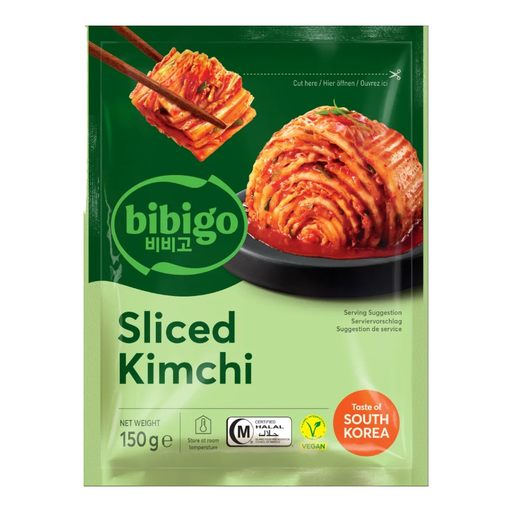
bibigo Kimchi Ambient 150g
-
Why We Feature This Product The bibigo Kimchi is explicitly certified as 100% vegan and halal. It uses soy peptone as part of its starter cultures instead of animal-based fermentation aids. The convenient 150g packaging and bite-sized pieces make it a straightforward option for immediate consumption.
-
Objective Specifications
- Main Ingredient: 76.2% salted napa cabbage.
- Recipe: Vegan, without fish sauce. Uses soy-based starter cultures.
- Allergens: Contains soy.
- Packaging: Compact pouch that does not require refrigeration before opening ("ambient").
-
Best For Vegans, individuals following a halal diet, and consumers who prefer a small, ready-to-eat portion for on-the-go use or as a topping for single meals.
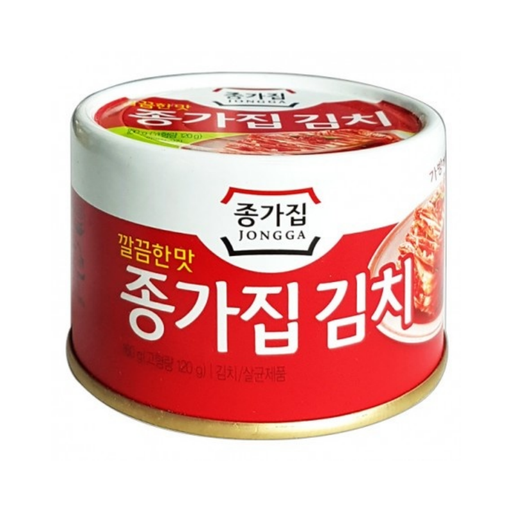
Jongga KR CHONGGA Mat Kimchi COI 160g
-
Why We Feature This Product Jongga is an established brand for authentic kimchi from Korea. This "Mat Kimchi" (cut kimchi) follows a traditional recipe that includes fermented anchovy and shrimp sauce. These ingredients give the product a deep and complex umami aroma, prized by connoisseurs of Korean cuisine.
-
Objective Specifications
- Main Ingredient: 69.4% salted napa cabbage.
- Recipe: Traditional, with fermented anchovy sauce and fermented shrimp sauce.
- Allergens: Contains fish and crustaceans.
- Storage: Must be kept continuously refrigerated (0°C to 4°C) to maintain quality.
-
Best For Aficionados of authentic, non-vegan kimchi flavour who are seeking a product with pronounced umami depth and can ensure an unbroken cold chain. The pre-cut pieces offer added convenience.
Alternatives to Cabbage-Based Products
Beyond classic fermented cabbage, the world of pickled vegetables offers immense variety. For fans of tangy and savoury side dishes, products from the Pickles & Gherkins category could be an interesting addition to their culinary repertoire. These also provide a crisp texture and a sour flavour profile, but are based on a different preparation and taste tradition.
Frequently Asked Questions (FAQ)
1. What does kimchi taste like? Kimchi's flavour is complex. It is primarily salty, sour, and spicy. Depending on its maturity and ingredients, it can also have sweet, onion-like, and distinct umami notes. The texture is crisp in young kimchi and becomes softer with increased fermentation.
2. How long does opened kimchi last? Once opened, kimchi should always be stored in an airtight container in the refrigerator. It will typically last for several weeks to months. The fermentation process continues in the fridge, albeit at a slower pace. This causes the kimchi to become more sour over time, a quality many prefer for cooked dishes. It doesn't spoil in the traditional sense but rather evolves in character.
3. What does "fermented" mean in the context of food? Fermentation is a biochemical process where microorganisms, such as lactic acid bacteria, convert carbohydrates (sugars) into acids, gases, or alcohol. In the case of kimchi, it is primarily lactic acid bacteria that convert the sugar in the cabbage into lactic acid. This process preserves the vegetable and creates its characteristic sour flavours.
Authored by: Joybuy Product Recommendation Officer