
Buying Bao Buns: A Guide to Choosing Authentic Asian Steamed Buns
Anyone looking to buy authentic bao buns often faces a challenge. The selection in online shops is growing, but the quality varies considerably. All too often, a purchase leads to disappointment: the dough is tough after steaming, the filling is sparse, or the flavour doesn't meet expectations. As a Joybuy Product Recommendation Officer, I'll help you avoid the common pitfalls and find products that deliver on their promise.
This guide focuses on objective criteria to help you select Baozi, Gua Bao, and other Chinese buns, ensuring your next at-home dim sum experience is a success.
The 2 Most Common Problems When Buying Frozen Bao Buns
Many products advertise "authentic taste" and "rich filling," but the reality is often different. Pay attention to these two critical points to avoid disappointing purchases:
- The Imbalance of Dough and Filling: A common annoyance is Asian steamed buns that appear voluminous on the outside but contain only a minimal amount of filling inside. The dough dominates, while the flavour-carrying component barely registers. This is often a sign of cost-cutting production methods.
- Incorrect Dough Texture After Preparation: The quality of the dough is crucial. Good bao dough should be soft, fluffy, and slightly elastic after steaming. However, many frozen products suffer from a flawed recipe or improper freezing. The result is a dough that becomes either dry and crumbly or sticky and tough—a far cry from the delight of a freshly prepared dim sum.
What to Look For Before You Buy: 3 Crucial Product Features
To avoid the problems mentioned above, you should take a look at the product details before buying. Three parameters are particularly telling.
1. The Filling Ratio and Ingredient List
A reliable indicator of quality is the percentage of the filling, if specified. A transparent declaration, such as "Filling: 60%," indicates a balanced ratio. Also, study the ingredient list: are high-quality components like meat, vegetables, or egg yolk at the beginning of the list for the filling? Or do water, starch, and flavour enhancers dominate? For a vegetarian baozi, mushrooms or bamboo shoots should make up a significant portion.
2. Dough Type and Recommended Preparation
There are different types of Asian buns that vary in dough and shape:
- Baozi (包子): These are the classic, closed, and filled yeast dumplings. The dough is leavened with yeast and should have a soft, bread-like consistency after steaming.
- Gua Bao (刈包) / Hirata Buns: These pocket-like, folded buns are also steamed but are typically filled afterwards. Their dough is often slightly firmer and smoother.
- Baked or Pan-Fried Buns: Some varieties, like Sheng Jian Bao or Bai Ji Mo, are not only steamed but also fried to achieve a crispy bottom.
Check whether the recommended preparation method suits your preferences and kitchen equipment. For an authentic result, steaming is almost always the method of choice.
3. Storage Conditions and Origin
Frozen bao buns must be stored consistently at -18°C or colder to maintain their quality. A broken cold chain can compromise the texture of the dough and the freshness of the filling. Products from established brands specialising in Asian foods often offer more consistent quality, as they have optimised production and logistics processes.
Top Picks for Every Use
Here are some recommendations from our range, tailored to different needs and flavour profiles.
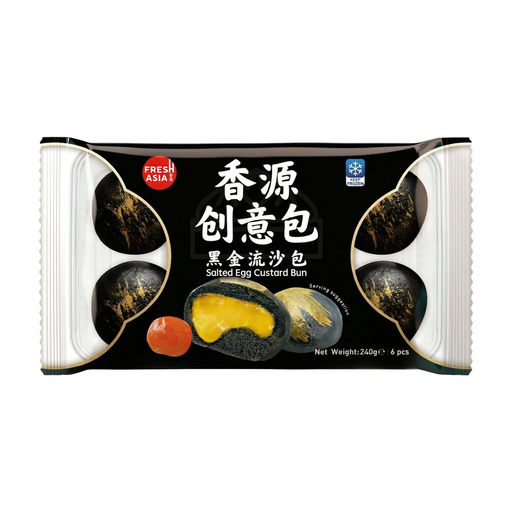
FRESHASIA Salted Yolk Custard Bun 240g
Why This Fits Their Persona: Ideal for anyone wanting to experience the unmistakable flavour of a Hong Kong "Cha Chaan Teng" at home. The molten core (lava custard) is a hallmark of high-quality custard buns.
The product description highlights a filling made from real salted egg yolk (8%) and a high filling ratio of 60%. This counteracts the problem of a sparse or flavourless filling.
The combination of a soft bamboo charcoal dough and the sweet-salty, molten core offers a unique taste and texture experience that goes beyond standard products.
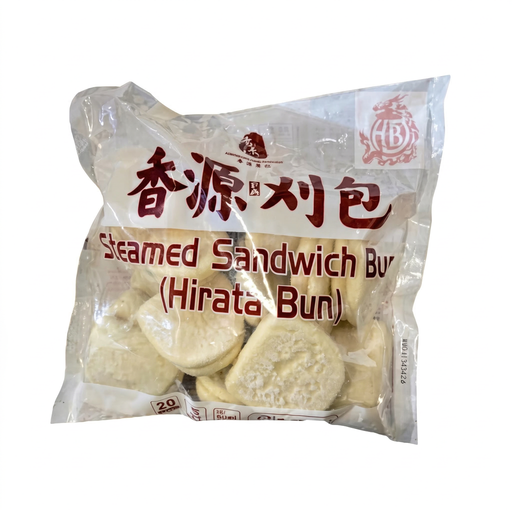
FRESHASIA TW Large Hirata Bun (Big Package) 1.2kg
Why This Fits Their Persona: Perfect for those who love to experiment and create their own fillings. These Hirata buns are the ideal canvas for homemade Taiwanese Gua Bao with braised pork belly, pulled pork, or vegetarian alternatives.
Since these buns are unfilled, the problem of a disappointing filling is completely avoided. You get a high-quality dough and have full control over the flavour and quantity of the filling.
Maximum versatility and a bulk package (1.2 kg) that is great for stocking up, meal prep, or serving guests. The dough is specifically designed for use as a "sandwich" bun.
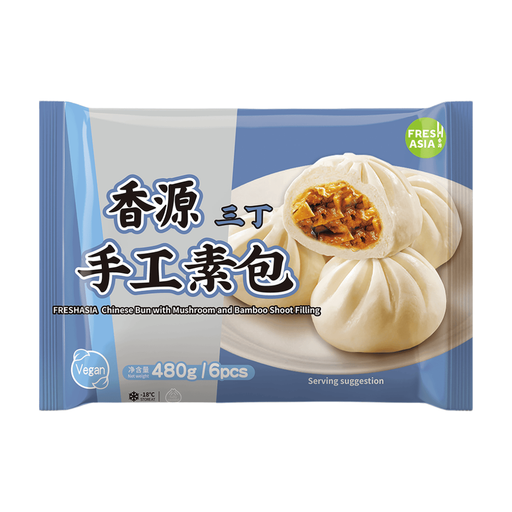
FRESHASIA Chinese Bun with Mushroom and Bamboo Shoot Filling 480g/pack
Why This Fits Their Persona: An excellent choice for vegetarians or anyone looking for a meat-free alternative. The mushroom and bamboo shoot filling is a classic in Chinese cuisine and offers a savoury umami flavour.
The product clearly declares the filling percentages (12% bamboo shoots, 10% mushrooms). This creates transparency and counteracts the problem of too little filling. The ingredient list confirms its vegetarian nature.
A ready-made, purely vegetarian option that is quick to prepare. The 60% dough ratio ensures a soft, fluffy casing that pairs well with the flavourful filling.
Looking for More Options?
We have compiled a complete, up-to-date list of products that fully meet these strict selection criteria and UK/EU regulations.
Frequently Asked Questions (FAQ)
How do you steam frozen bao buns correctly so they don't get soggy?
For optimal results, you should use the frozen bao buns directly from the freezer and not thaw them. Place them with enough space between each other in a steamer basket lined with parchment paper. Steam the buns over boiling water for the time indicated on the package (usually 8–12 minutes). The parchment paper prevents the dough from sticking to the bottom.
What is the difference between Baozi, Gua Bao, and Hirata Buns?
Baozi is the umbrella term for round, fully enclosed, and filled steamed buns. They can contain savoury fillings like Char Siu Bao (with barbecue pork) or sweet fillings. Gua Bao is a specific type from Taiwan that is folded like a pocket and filled after steaming. Hirata Buns is essentially the Japanese name for Gua Bao, which has become popular in the West.
Can you cook bao buns in the microwave?
Although it is technically possible, preparing them in the microwave is not recommended. The steam generated during traditional steaming is crucial for the soft and fluffy texture of the dough. In the microwave, there is a risk that the buns will dry out or develop a tough consistency. If you're in a hurry, wrap the bun in a damp paper towel and heat it in short intervals on medium power.