
Buying Guide to Authentic Curry Paste
Anyone wanting to prepare authentic Asian dishes at home will find a high-quality seasoning paste indispensable. Yet, when trying to buy the right curry paste, many home cooks face an overwhelming selection. Vague product descriptions and marketing promises often lead to disappointing culinary results. As a Joybuy Product Recommendation Officer, I'm here to help you avoid the common pitfalls and make an informed choice.
This guide focuses on objective criteria to help you find the right paste for your culinary project—whether it's a spicy Thai curry, a mild Indian Korma, or a purely plant-based version.
The 3 Most Common Mistakes When Buying Curry Pastes
Before we dive into the selection criteria, it's important to understand the most common issues that can lead to a bad purchase.
- The Empty "Authenticity" Promise: Many pastes produced for the European market are fortified with excessive sugar or salt. The result is a one-dimensional flavour that has little in common with the complex aromatic profile of a traditional curry.
- Hidden Animal-Based Ingredients: In Thai curry pastes, in particular, shrimp paste is a traditional ingredient used for its characteristic umami flavour. For vegans, vegetarians, or people with a shellfish allergy, this often comes as an unwelcome surprise, as it is not always prominently declared.
- Misleading Heat Levels: The labels "mild," "medium," or "hot" are not standardised. A paste labelled "medium" from one brand can be significantly hotter than the "hot" version from another. This can quickly lead to a dish that is either too bland or inedibly spicy.
What Really Matters: The Key Selection Parameters
To avoid these mistakes, you should check three key aspects before buying. These will give you a reliable basis for your decision the next time you order seasoning paste online.
1. The Ingredient List: The Foundation of Flavour
The quality of a curry paste lives and dies by its ingredients. Instead of relying on marketing terms, a look at the ingredient list reveals the expected quality and flavour profile.
- For Thai Curry Paste: Look for key ingredients like lemongrass, galangal, kaffir lime leaves, and fresh or dried chillies. Brands like Cock Brand or Mae Ploy are known for their traditional recipes. A Red Curry Paste is based on dried red chillies, while a Green Curry Paste gets its heat and colour from fresh green chillies.
- For Indian Curry Paste: Here, spices like coriander, cumin, turmeric, ginger, and garlic are fundamental. The base is often a mixture of onions and tomatoes.
- What to watch out for: A high proportion of sugar, water, or vegetable oil at the top of the ingredient list can be a sign of a less concentrated and authentic paste.
2. Origin and Paste Type: Thai, Indian, or Another Asian Cooking Paste?
The cuisines of Asia are diverse, and the same is true for their seasoning pastes. The two best-known categories have fundamentally different flavour profiles.
- Thai Pastes (e.g., Red, Green, Panang, Massaman Curry): These are typically based on a fresh blend of herbs and spices. They are often intense, aromatic, and bring a distinct heat. A Panang Curry is usually slightly milder, sweeter, and nuttier than a classic red curry, while a Massaman Paste gets a warmer, more complex note from spices like cinnamon and cardamom.
- Indian Pastes (e.g., for Korma, Tikka Masala, Butter Chicken): These are built on roasted, dried spices and have a deeper, earthier flavour base. They are often less spicy and are prepared to be creamy with yoghurt, cream, or coconut milk.
3. Checking for Allergens and Unwanted Additives
This point is particularly crucial for vegans, vegetarians, and allergy sufferers.
- Vegan Curry Paste: Specifically look for products that are explicitly labelled as "vegan." This ensures that no shrimp paste, fish sauce, or other animal products are included. Brands like Sunlee offer a wide range of vegan Thai curry pastes.
- Additives: Check the list for flavour enhancers (e.g., monosodium glutamate) or preservatives if you wish to avoid them.
Choices by Use Case
Here are some recommendations tailored to specific needs and cooking styles.
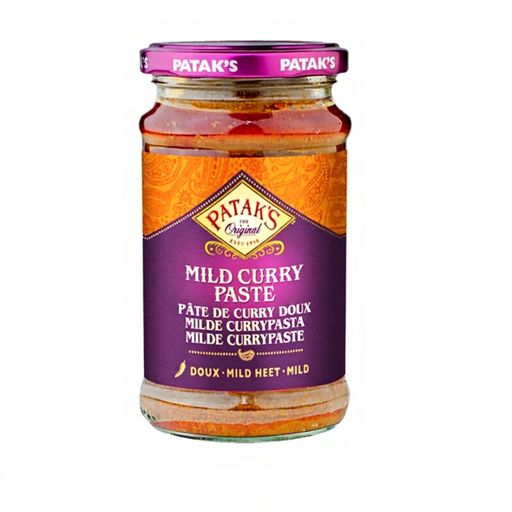
Patak's Mild Curry Paste 283g
Why this product is a good fit: This paste offers a very accessible introduction to the world of Indian curries. Its flavour is aromatic and spicy but intentionally kept mild, making it ideal for families or individuals who enjoy heat in moderation.
The clear "Mild" label is reliable here, avoiding the problem of unpredictable heat levels. It delivers a predictable, gentle result.
The balanced spice blend, based on coriander and cumin, is versatile for curries and can also be used as a marinade for chicken or vegetables.
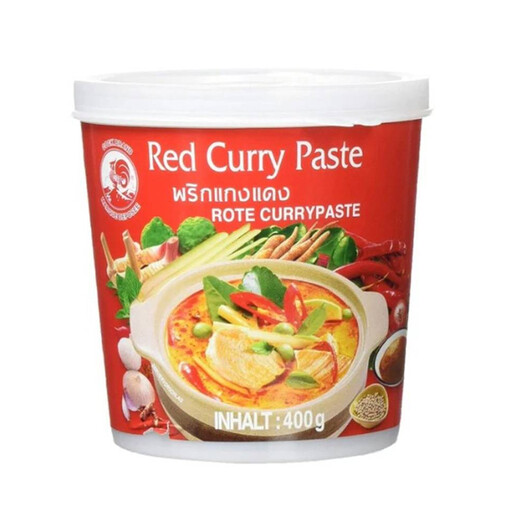
Cock Brand Thai Red Curry Paste 400g
Why this product is a good fit: This paste is designed for cooks seeking the bold and unadulterated flavour of Thai cuisine. It is frequently used in professional kitchens and delivers an intense, spicy aroma.
The ingredient list, with 28% dried red chillies in first place, bypasses the empty "authenticity" promise. This paste does not skimp on heat and aroma.
The 400g bulk tin offers excellent value for money for anyone who regularly cooks Thai food. The paste is highly concentrated.
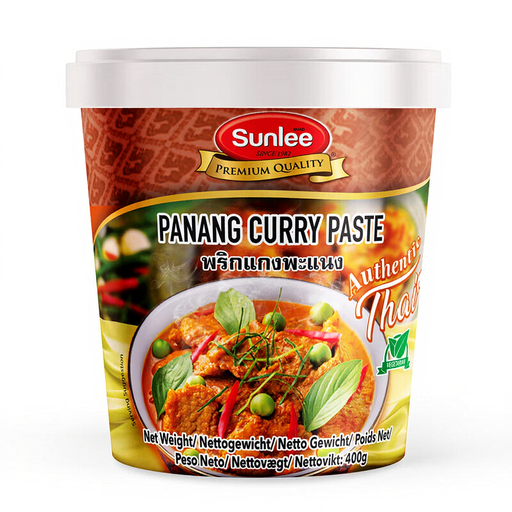
Sunlee Vegan Panang Curry Paste 400g
Why this product is a good fit: This paste was developed specifically for plant-based cuisine. It allows you to prepare an authentic, nutty-sweet Panang curry without relying on animal products.
The product solves the problem of hidden animal-based ingredients with its explicitly vegan recipe. This eliminates the need to scan the ingredient list for shrimp paste.
It offers a specific flavour profile (Panang) in a vegan version, which expands the culinary variety for plant-based diets.
Looking for more options?
We have compiled a complete, up-to-date list of products that fully meet these strict selection criteria and current regulations.
Frequently Asked Questions (FAQ)
1. How long does curry paste last after opening? Most curry pastes should be stored in the refrigerator after opening. To extend the shelf life, you can cover the surface of the paste in the jar with a thin layer of vegetable oil to protect it from drying out and mould. As a rule, it will last for several weeks to months. Always follow the manufacturer's instructions on the packaging.
2. What is the difference between red, green, and yellow Thai curry paste? The main difference lies in the types of chillies and spices used.
- Green Curry Paste is made from fresh, green chillies and is often considered the hottest variety.
- Red Curry Paste is based on dried red chillies, which gives it a deeper, more robust heat.
- Yellow Curry Paste is the mildest of the three. Turmeric gives it its characteristic colour, and along with spices like cumin and coriander, it provides a warmer, less intense flavour.
3. Can you use curry paste for dishes other than curries? Yes, curry pastes are extremely versatile. A small amount can serve as a marinade for meat, fish, or tofu, add extra depth to soups and stews, or be mixed with yoghurt and mayonnaise to create a spicy dip. They are also excellent for seasoning stir-fry dishes.