
Buying Asian Buns: How to Compare Varieties, Ingredients and Preparation
If you're looking to buy Asian buns online, you'll find a huge selection: Korean cream-filled buns, Chinese dim sum buns, bao buns with meat or vegetables, and Hong Kong buns with a sweet crust. However, these products differ significantly in filling quantity, storage requirements, allergens and preparation methods. An appealing product image alone tells you little about portion size, texture or the actual effort involved in the kitchen.
Common Pitfalls When Buying Asian Buns
1. "Filled" Doesn't Automatically Mean Lots of Filling
With filled buns, the ingredients list should show what proportion the filling makes up. Some products clearly state the percentage, for example 15% pork in a BBQ pork bun or 25% red bean paste in a Hong Kong bun with bean filling. If there's no quantity given, it's hard to judge the ratio of dough to filling.
2. Frozen Buns Need the Right Preparation
Frozen buns are convenient, but they need enough space in your freezer and a suitable cooking method. Steamed varieties are usually cooked directly from frozen. Thawing them without using them promptly can affect the texture. That's why the information on the packaging is so important, for example storage at -18 °C or below, steaming time and instructions on refreezing.
3. "Plant-Based" Doesn't Replace Checking Allergens
A plant-based cream bun may be formulated without dairy ingredients, but it can still contain soya and wheat. What's more, product information sometimes indicates possible traces of milk, eggs, peanuts or nuts. For allergy sufferers, only the specific ingredient and allergen labelling of each product really counts.
The Key Buying Criteria at a Glance
Filling, Flavour and Intended Occasion
For a sweet snack, options include cream buns, pineapple buns, red bean buns, or buns with chestnut and egg yolk filling. Savoury varieties are better suited to a quick lunch, as dim sum or as part of a larger selection of snacks.
- Sweet Korean buns: soft, slightly chewy dough with plant-based cream or chocolate filling
- Chinese dim sum buns: usually steamed and filled with pork, chicken or vegetables
- Hong Kong buns: often with a crispy topping, such as pineapple buns or sweet-savoury BBQ pork buns
- Red bean buns: sweet bean paste filling, often combined with a soft or slightly crispy dough casing
If you're looking for vegetarian or vegan products, check the labelling carefully. "Plant-based cream" doesn't automatically apply to the whole product if, for example, egg or milk powder is included in the recipe.
Portion Size and Pack Contents
Individual portions between 85 g and 125 g are ideal for breakfast, an afternoon snack or a small tasting. Packs of 270 g or 780 g make sense when several people are eating or when combining different dim sum dishes. For catering businesses, delicatessens and resellers, bulk packs such as 2.5 kg can be more economical. You should consider freezer capacity, best-before date and consumption planning.
Preparation and Storage
With frozen products, the preparation methods aren't interchangeable:
- Steaming: Frozen dim sum buns are steamed for around 8 to 12 minutes, depending on the product.
- Reheating: Hong Kong buns and filled Asian pastries can sometimes be reheated in the oven, air fryer or microwave.
- Thawing: Korean cream buns are thawed for around 10 to 30 minutes according to the product instructions.
- Consumption: After thawing, follow the instructions on the packaging; some products must be eaten within 24 hours when chilled.
It's also worth checking the nutritional values per 100 g, particularly sugar, fat, salt and energy content. These figures allow you to make a fair comparison between different varieties.
Our Selection by Buyer Profile
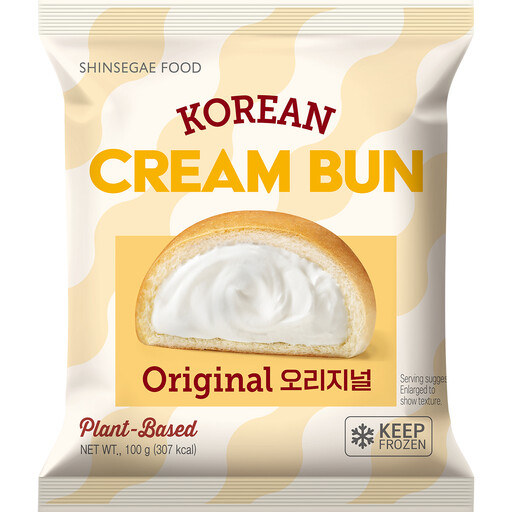
Shinsegae Food Cream Buns Original Korean Style 100g
Why this product fits the profile: The 100 g single portion is easy to plan as a Korean snack or small breakfast. The cream is plant-based.
The product information states the portion size, the plant-based cream and the required thawing time of 10 to 30 minutes.
100 g single portion; plant-based cream; origin according to product information: South Korea.
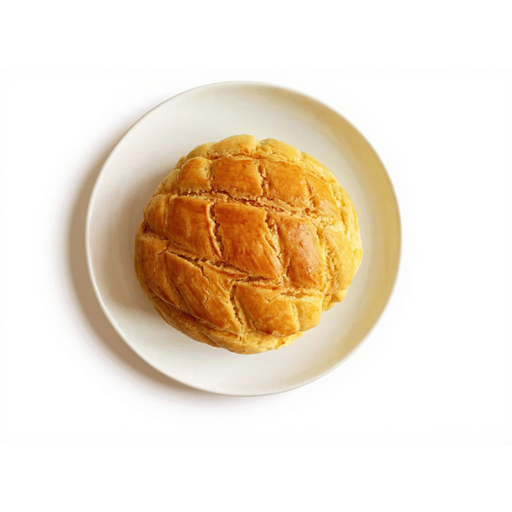
St.Anny Hong Kong Style Pineapple Bun 105g
Why this product fits the profile: The combination of soft dough and a sweet, crispy topping matches the classic Hong Kong pineapple bun style.
The product description lists ingredients, allergens, a net weight of 105 g and a specific reheating recommendation.
105 g single portion; 15.2 g sugar and 11.6 g fat per 100 g according to nutritional information; can be served warm.
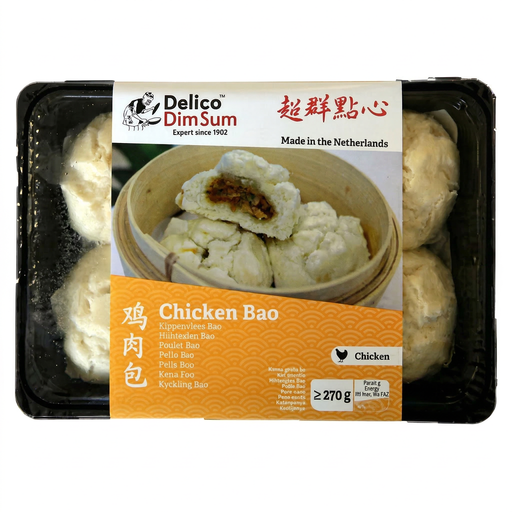
Delico Dim Sum Chicken Bun 270g
Why this product fits the profile: The 270 g pack is suitable for several portions or a dim sum evening and is steamed from frozen.
The preparation time is given as around 8 to 10 minutes steaming; wheat is listed as an allergen and frozen storage is specified.
270 g pack; chicken filling; preparation by steaming directly from frozen.
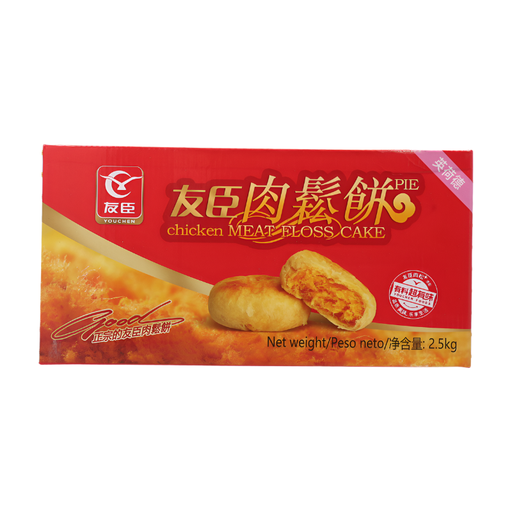
Youchen Meat Floss Buns Original Flavour 2.5kg
Why this product fits the profile: The bulk pack of 2.5 kg with around 66 to 70 individual packs is aimed at parties, retail outlets and regular consumption.
The pack size and recommended consumption after opening are clearly stated. This makes it easier to calculate your needs before buying.
2.5 kg bulk pack; ready to eat; suitable for events and commercial use.
Looking for more options?
We've put together a complete, regularly updated list of products that fully meet these strict selection criteria and the safety regulations in force in the EU.
FAQ on Buying Asian Buns
How are frozen bao buns prepared?
Many frozen bao buns and dim sum buns are steamed directly from the freezer. Depending on the product, around 8 to 12 minutes is recommended. The exact time depends on the size, filling and appliance. Before serving, make sure the filling is piping hot all the way through.
How long do Asian buns keep?
The best-before date is on the packaging. Frozen products should be stored at -18 °C or colder. After thawing, follow the manufacturer's instructions; several products explicitly state that they should not be refrozen.
Which Asian buns are suitable for vegetarians or vegans?
Plant-based cream buns can be an option, as long as the full ingredients list meets your personal requirements. The Korean cream buns from Shinsegae Food are plant-based according to the product information, but they contain wheat and soya; possible traces of other allergens are also listed. So for every variety, you should check the current labelling before buying.