
Buyer's Guide to Bulk Toilet Paper Purchases
Buying toilet paper in bulk is a practical decision for many households and small businesses. It saves time, reduces the frequency of shopping trips, and, when chosen wisely, can significantly lower the cost per use. However, the market is filled with misleading offers and marketing promises that often obscure more than they clarify. Before you decide on a bulk pack of toilet paper, it's crucial to know the typical pitfalls to avoid overpaying for inferior quality.
The 3 Most Common Traps When Buying Toilet Paper in Bulk
- The "More Plies, More Value" Myth: Many advertisements suggest that more plies automatically mean higher quality. This is only half the story. While a 4-ply toilet paper may feel softer, some manufacturers simultaneously reduce the sheet size or the paper's density. A solid 3-ply toilet paper with high material density can be more tear-resistant and absorbent in practice than a thin 4-ply product.
- The Price-Per-Roll Fallacy: A low price per roll is often a decoy offer. The key metric is the price per 100 sheets. A supposedly inexpensive roll may contain significantly fewer sheets than a competitor's product, negating the cost advantage. Always pay attention to the total sheet count of the pack.
- Vague Sustainability Claims: Terms like "eco-friendly" or "green" are not very meaningful without concrete proof. Look for recognized certifications such as PEFC (Programme for the Endorsement of Forest Certification) or FSC (Forest Stewardship Council), which verify sustainable forestry. Materials like bamboo toilet paper also offer a transparent, resource-saving alternative.
What Really Matters: The Key Selection Criteria
To find a toilet paper deal that meets your requirements for comfort and economy, you should check three core parameters.
Ply Count and Paper Structure
The number of plies is an indicator of comfort and tear resistance.
- 3-ply toilet paper: This is the common standard and offers a good balance of softness, strength, and price. It is a safe choice for most households and sewage systems.
- 4-ply toilet paper: Provides a noticeably softer and more luxurious feel. It is more absorbent, which can reduce consumption per use. However, it is often more expensive and may dissolve more slowly in older or sensitive plumbing systems. Besides the ply count, the embossing is relevant. It binds the plies together and creates small air pockets that make the paper softer and more voluminous.
Material: Virgin Pulp, Recycled, or Bamboo?
The raw material largely determines the paper's properties.
- Virgin Pulp: Made from wood, this material typically yields the softest toilet paper. Products with a PEFC or FSC seal ensure that the pulp comes from responsibly managed forests.
- Recycled Paper: An environmentally friendly option as it is made from waste paper. However, the quality can vary greatly. Modern recycled papers have significantly improved in terms of softness and colour.
- Bamboo Toilet Paper: Bamboo is a fast-growing resource that requires less water and no pesticides. The paper is naturally tear-resistant, soft, and a great choice for eco-conscious consumers.
The True Cost Calculation: Sheet Count and Roll Weight
Don't be fooled by the price per roll. The most meaningful metric is the price per 100 sheets. Calculation Formula: (Total Price / (Number of Rolls × Sheets per Roll)) × 100. Another indicator of paper quality is the roll weight (e.g., 120 g/roll). A higher weight with the same sheet count indicates denser and therefore higher-quality paper.
Recommended for your needs
Here are some recommendations tailored to different needs and households.
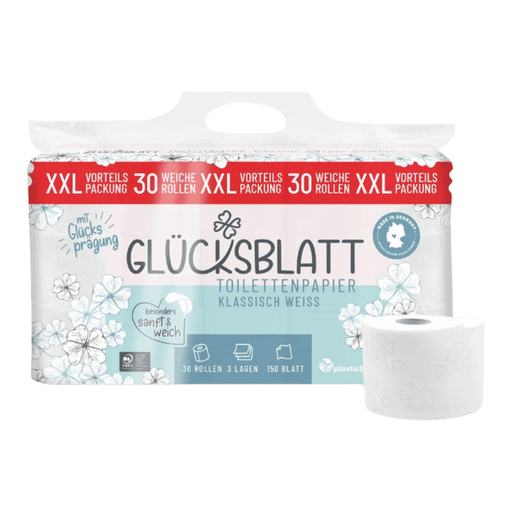
Glücksblatt Toilet Paper, 3-Ply, 30 Rolls of 150 Sheets
Why This Fits Their Persona: Ideal for high-consumption households seeking a solid standard without the high cost. The bulk pack of 30 rolls secures your supply for a long time and offers a balanced price-performance ratio.
Debunks the price-per-roll fallacy with a transparent specification of 150 sheets per roll, enabling clear cost calculation.
Good value for money due to 3-ply quality and a high total sheet count. 70% of the material is PEFC-certified.
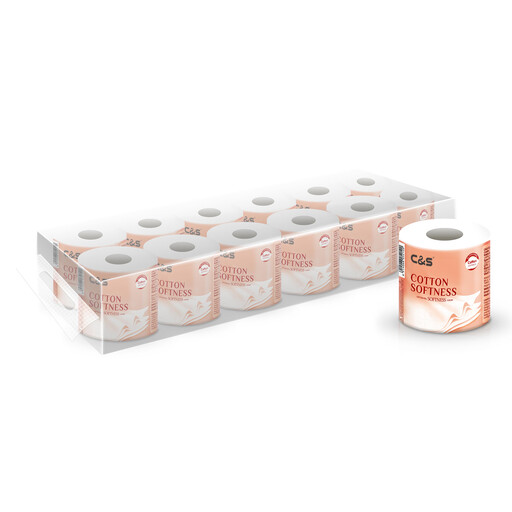
C&S Toilet Paper, 4-Ply, 120g per Roll
Why This Fits Their Persona: For users who prioritise softness and comfort above all. The 4-ply design and high roll weight of 120g ensure a particularly pleasant and secure feel.
Refutes the "more plies, more value" myth by not only offering 4 plies but also combining them with a high roll weight, which stands for genuine density and softness.
Especially soft toilet paper made from 100% virgin pulp. The three-dimensional embossing increases absorbency and comfort.
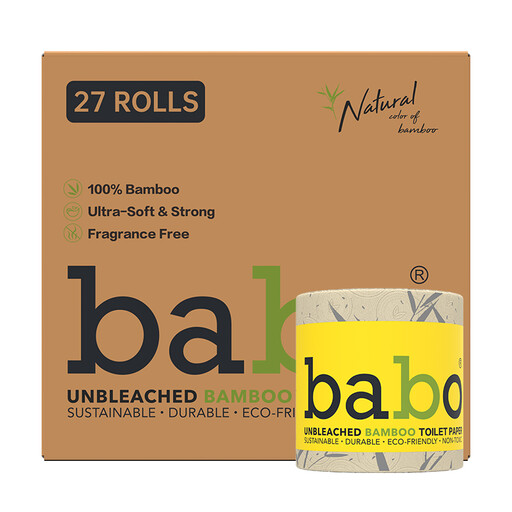
BABO Bamboo Pulp Toilet Paper, 4-Ply, 27 Rolls
Why This Fits Their Persona: Perfect for anyone looking for a sustainable alternative without compromising on quality. The paper is made from the fast-growing resource, bamboo.
Counters vague eco-promises with clear facts: the material is bamboo pulp, it is unbleached, free of fluorescent agents, and has ISEGA and HALAL certifications.
Sustainable and resource-saving material. Despite its eco-friendly production, it offers the comfort of 4 plies.
Looking for more options?
We have compiled a complete, up-to-date list of products that fully meet these strict selection criteria and regulations.
Frequently Asked Questions (FAQ)
1. How do I properly store a bulk pack of toilet paper? Store the bulk toilet paper pack in a dry place, protected from direct sunlight and moisture. A basement, storage room, or the top of a cupboard are ideal. It is advisable to leave the toilet paper in its original packaging to protect it from dust and dirt.
2. Can 4-ply toilet paper clog the toilet? In rare cases, yes. Especially in older buildings with narrower or older plumbing systems, 4-ply toilet paper can dissolve more slowly than 3-ply. To prevent clogs, it is recommended to use a smaller amount of paper per flush. Some manufacturers provide information on flushability on the packaging.
3. How do I recognise a good toilet paper deal? You can recognise a good toilet paper deal not by the price per roll, but by the price per 100 sheets. Multiply the number of rolls by the number of sheets per roll to determine the total sheet count of the pack. Compare this value with the total price. A high discount on a roll with very few sheets is often not a real bargain.