
Body Fat Scale Buyer's Guide 2026: How to Find the Right Model for You
Choosing a new scale today goes far beyond simply measuring your weight. Modern body fat scales offer detailed insights into your body composition, helping you track health and fitness goals with greater precision. However, the vast array of models, features, and technologies can make the choice overwhelming.
This guide is here to help you navigate the options. We'll introduce different types of scales and explain the key criteria to consider when making your decision. Our goal is to provide a factual foundation to help you find a device that perfectly suits your individual needs.
What to Look for When Buying a Body Fat Scale
To make an informed decision, a few technical aspects are crucial. Here are the most important points to consider.
1. Measurement Method and Accuracy
Modern body composition scales use Bioelectrical Impedance Analysis (BIA) to determine metrics like body fat percentage, muscle mass, and water content. This method sends a weak, imperceptible electrical current through the body. The resistance (impedance) this current encounters allows the scale to calculate your body's composition.
- 4-Point Measurement (Feet): Most scales for home use have four electrodes on the standing surface. They primarily measure impedance in the lower half of your body. For most users, this provides sufficient data for trend analysis.
- 8-Point Measurement (Feet and Hands): Advanced models use additional hand electrodes. This enables a segmental analysis that measures the upper body, torso, and legs separately, delivering more precise overall results.
The accuracy of the weight measurement itself is indicated in kilograms (kg). Models with a precision of 0.05 kg can reliably detect even very slight changes in weight.
2. Connectivity and App Features
A smart scale with app connectivity offers the advantage of automatically saving your measurements and visualizing long-term trends. The most common connection method is Bluetooth.
- Bluetooth Scale: The scale syncs data directly with an app on your smartphone or tablet. This is the standard for most models.
- Wi-Fi Functionality: Some devices can connect directly to your home network and upload data to the cloud, bypassing your smartphone.
- App Compatibility: Check if the companion app is compatible with other health platforms like Apple Health, Google Fit, or Samsung Health, especially if you want to consolidate your data. A good scale with an app should offer a clear presentation of your progress and be easy to use.
3. Number of Metrics Measured
A basic digital bathroom scale only measures weight. A body fat scale or BMI scale provides significantly more information. Typical metrics include:
- Weight
- Body Mass Index (BMI)
- Body Fat (%)
- Muscle Mass (kg or %)
- Body Water (%)
- Bone Mass (kg)
- Visceral Fat (Index)
- Basal Metabolic Rate (BMR)
Consider which of these metrics are relevant to your goals. For general health tracking, weight, BMI, and body fat are often sufficient. Athletes or highly data-driven users will benefit from more detailed analyses like muscle mass and visceral fat.
Our Top Scale Picks for 2026
Here is a selection of models that cover different needs—from simple weight measurement to comprehensive body analysis.
1. Sparoma AD-26 Electronic Personal Scale
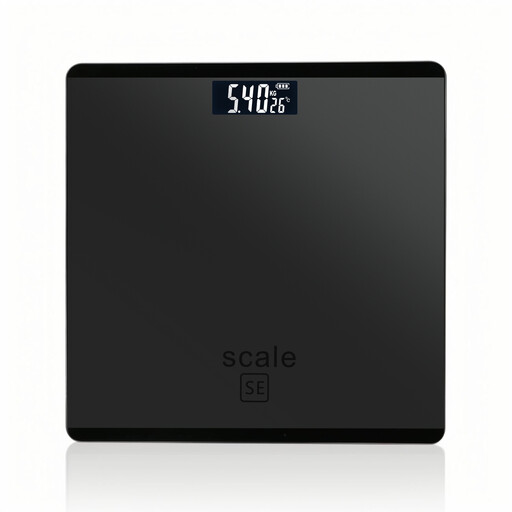
Why It Stands Out: This model focuses on the essentials: precise and reliable weight measurement. With no app connectivity or body analysis, it's a straightforward and ready-to-use bathroom scale.
Pros:
- High Precision: Measures in 0.05 kg increments, capturing even small changes.
- High Weight Capacity: Suitable for users up to 180 kg.
- Easy to Read: The large LCD display shows the digits clearly.
- Durable Design: The 4 mm tempered glass surface ensures stability and is easy to clean.
Who It's For: Users looking for a simple, accurate, and durable digital personal scale without smart features. Ideal for daily weight tracking for the whole family.
2. Smart 8-Electrode Body Fat Scale with TFT Colour Screen
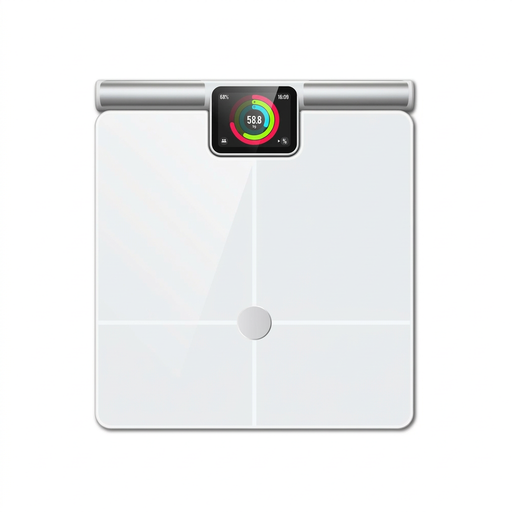
Why It Stands Out: Thanks to its 8-electrode technology with an additional handle, this scale offers segmental body analysis. It measures your arms, legs, and torso separately, providing exceptionally detailed data for advanced users.
Pros:
- Comprehensive Analysis: Captures 56 different body metrics using dual-frequency BIA technology.
- Dual Connectivity: Automatically syncs data via Wi-Fi and Bluetooth to the cloud and its companion app.
- High-Quality Display: The 3.36-inch TFT colour screen clearly presents your measurements directly on the scale.
- Additional Feature: An integrated sensor measures your static heart rate during the analysis.
Who It's For: Athletes, fitness enthusiasts, and anyone who wants a professional, in-depth analysis of their body composition to optimize their training and nutrition.
3. Arboleaf CS20N Smart Body Scale
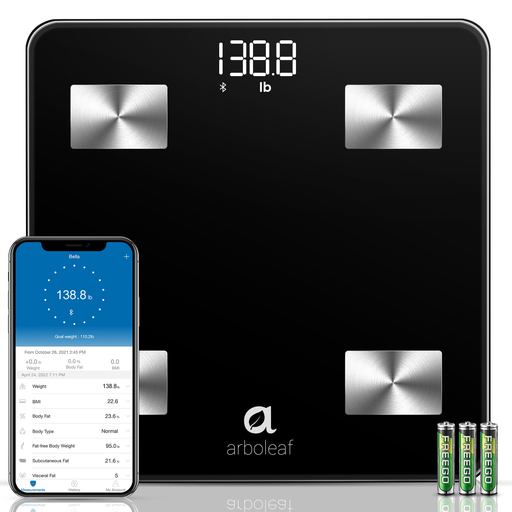
Why It Stands Out: The Arboleaf CS20N is a well-balanced smart scale that combines comprehensive analysis with user-friendly operation and family-friendly features. It's an ideal all-rounder for the modern household.
Pros:
- 14 Key Metrics: Provides a detailed overview of weight, BMI, body fat, muscle mass, and other key indicators.
- Seamless Syncing: This Bluetooth scale automatically transfers data to the Arboleaf app and is compatible with popular fitness apps.
- Unlimited User Profiles: The scale automatically recognizes different users by their weight, making it perfect for families.
- Clear LED Display: The bright digits are easy to read, even in low-light conditions.
Who It's For: Families and health-conscious individuals looking for a reliable body composition scale with an intuitive app to easily track their progress.
Looking for More Options?
Haven't found the right model for you yet? There are many other scales with different specialities, from basic digital scales to specialized analysis devices.
Discover More Models in the Portable Scale Category Here
Frequently Asked Questions (FAQ)
How accurate is a body fat scale?
The accuracy of body fat scales that use the BIA method depends on several factors. For the most precise trend analysis, it is recommended to always take measurements under the same conditions: at the same time of day (preferably in the morning), on an empty stomach, and after using the restroom. Although the absolute values may differ from professional medical measurements (like a DEXA scan), BIA scales are excellent for monitoring changes and trends in your body composition over time.
What is the difference between a 4-point and an 8-point measurement?
A scale with a 4-point measurement has electrodes only for the feet. The electrical current flows mainly through the lower half of the body, and the values for the upper body are extrapolated from this. A scale with an 8-point measurement uses additional hand electrodes. This allows the left and right arms, left and right legs, and the torso to be analyzed separately, leading to a more accurate measurement of your total body composition.