
Bird Food Guide: Choosing the Right Nutrition for Pet and Wild Birds
The intention to provide species-appropriate care for birds in your garden or home is commendable. However, the market for bird food is crowded, and not every product delivers on its promise. Before you buy bird food, it's important to know some common pitfalls to avoid poor investments and truly support the health of the animals.
As a Joybuy Product Recommendation Officer, I see it as my duty to provide you with objective criteria so you can make an informed decision. This guide highlights the crucial factors and helps you find the right food for your feathered friends.
The 3 Most Common Mistakes When Buying Bird Food
Many well-intentioned purchases turn out to be impractical or even unsuitable. Watch out for these three typical problems:
- The "Universal Mix" Trap: Inexpensive feed blends often contain a high proportion of wheat or other coarse grains. However, many smaller wild birds like tits or robins cannot eat these grains. The result: the expensively purchased food is picked over and left behind, while valuable nutrients are missing.
- Unnecessary Additives in Treats: Especially with seed sticks for birds or other snacks, sugar, honey, or baked goods are often used to increase palatability. However, a high-sugar diet is not species-appropriate for birds and can harm their health in the long run.
- The Mess from Shell Debris: Anyone who feeds birds on a balcony or patio knows the problem: conventional sunflower seeds leave behind a huge mess of shells. This not only looks unsightly but can also lead to complaints from neighbours and requires constant cleaning.
What Really Matters: 3 Key Criteria for Your Selection
To avoid these mistakes, you should check three core aspects before buying. These will help you objectively assess the quality and suitability of a feed.
1. Composition: Main Feed vs. Supplemental Feed
The foundation of a healthy bird diet is a species-appropriate main feed. This should cover all the necessary nutrients for daily needs.
- Main Feed: For pet birds like budgies or canaries, a seed mix tailored to the species is fundamental. Budgie food, for example, is often based on various types of millet, while canary food has a higher proportion of fine seeds like canary seed. For wild birds, an energy-rich all-season feed is a good foundation.
- Supplemental Feed: Products like suet balls, treat sticks, or protein-rich snacks (e.g., mealworms) serve as an additional energy source or for enrichment. However, they should only be used as a supplement and not as the sole food source.
2. Species-Appropriate Ingredients for Wild and Pet Birds
The needs of wild birds and pet birds differ significantly.
- Wild Bird Food: Here, the energy content is the priority. Fat-rich seeds like sunflower seeds (ideally shelled), peanuts, and hemp seeds are valuable calorie sources, especially in winter. Mixes with animal protein, such as from dried insects, provide additional support for birds during the strenuous breeding season in spring.
- Pet Bird Food: Brands like Vitakraft bird food offer special mixes tailored to the nutritional needs of individual species. These often contain added vitamins and minerals to prevent deficiencies that can occur with a seed-only diet.
3. Practicality and Cleanliness
The best feeding station is of little use if it constantly causes trouble or extra work. Practical solutions make daily life much easier.
- Shell-Free Feed:Shelled sunflower seeds are the ideal solution for balconies and patios. No shell residue is left behind, the feeding area stays clean, and the birds can consume the energy-rich kernels without effort.
- Integrated Feeders: Some products come in a practical garden feeder. These can be hung up directly and protect the food from the elements. Suet balls in nets or tube feeders are classic examples.
Top Picks for Every Need
Based on the criteria mentioned, we have identified some products that are suitable for specific user profiles.
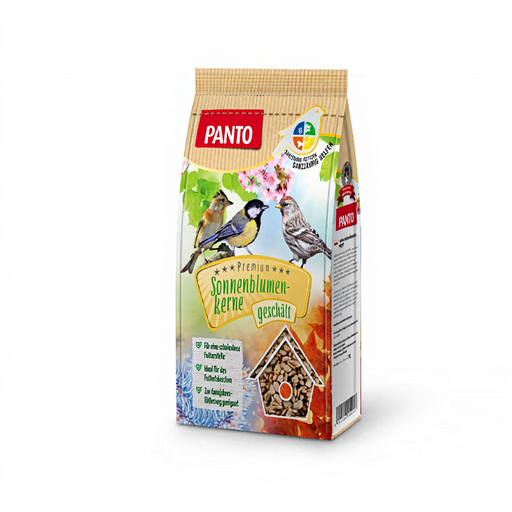
PANTO Premium Shelled Sunflower Seeds 1 kg
Why this product is a great fit: Ideal for anyone who wants to feed wild birds on their balcony or patio without having to clean up shell debris afterwards. The birds get pure energy, and the feeding area stays clean.
This product directly solves the problem of mess from shell debris (Pitfall 3). There is no waste, which eliminates the need for cleaning and avoids conflicts with neighbours.
100% pure, shelled kernels offer maximum nutrient density and energy without fillers. The food is fully accepted by a wide variety of birds.
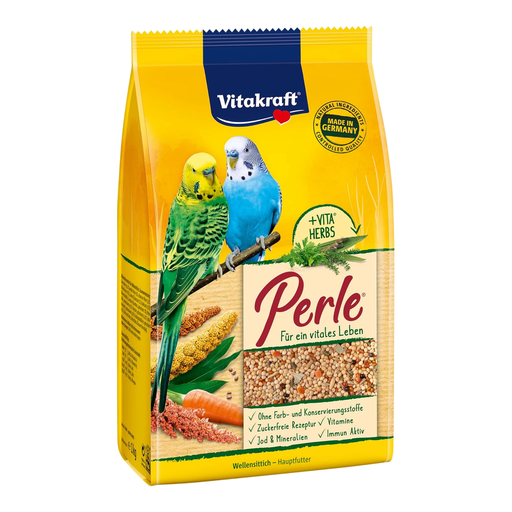
Vitakraft Budgie Pearl Premium Main Food 1kg
Why this product is a great fit: A balanced main feed mix specially developed for the needs of budgies. It provides all the essential nutrients for daily care and supports their well-being.
This food is not a non-specific "universal mix" (Pitfall 1), but is precisely tailored to budgies. According to the manufacturer, the recipe is sugar-free (avoids Pitfall 2).
According to the manufacturer, it contains an Iodine-Vital-Complex to prevent deficiencies. The resealable packaging ensures long-lasting freshness.
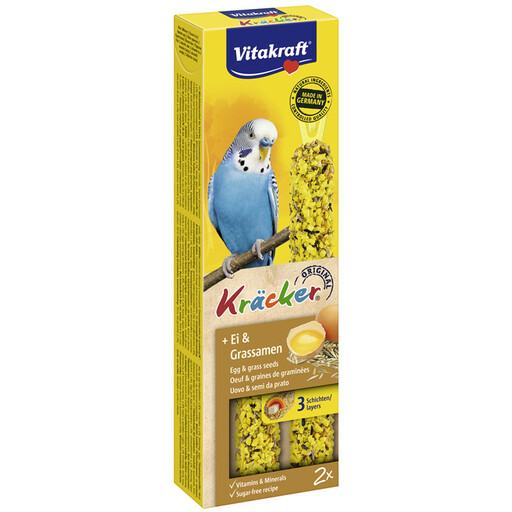
Vitakraft Budgie Kr?ckers Egg & Grass Seeds
Why this product is a great fit: These treat sticks offer pet birds a welcome change and enrichment. The bird has to work for its food, which mimics natural behaviour and prevents cage boredom.
According to the manufacturer, the recipe is sugar-free, thus avoiding unnecessary sweeteners (Pitfall 2). It is clearly declared as a supplemental feed and not a sole food source.
The triple-baked structure on a natural wooden stick provides long-lasting chewing fun while also supporting natural beak trimming.
Looking for More Options?
We have compiled a complete, up-to-date list of products that fully meet these strict selection criteria and German regulations.
Frequently Asked Questions (FAQ)
1. Can you feed birds all year round? Yes, year-round feeding is now recommended by many avian experts. While winter feeding helps birds survive the cold season, feeding in spring and summer supports parent birds with the energy-intensive task of raising their young. A high-quality all-season bird feed is the right choice for this.
2. What is the best food for a balcony? For balconies and patios, clean feed is crucial. The first choice here is shelled sunflower seeds, as they leave no shell residue. Suet-based foods like suet balls or feed sticks are also a clean alternative, as they are usually consumed completely by the birds.
3. How does food for budgies differ from food for canaries? The composition is tailored to the respective bird species. Budgie food typically contains a high proportion of various types of millet, as budgies can easily shell them with their strong beaks. Canaries prefer finer seeds such as canary seed, rapeseed, and linseed. Using species-specific food ensures that the birds receive all the nutrients they need.