
Choosing Bird Food: Essential Buyer's Guide
Watching birds at a feeder, whether in your own garden or on a windowsill, is a joy for many. But choosing the right food and accessories can quickly become overwhelming. All too often, well-intentioned purchases lead to problems: leftover food makes a mess on the balcony, snacks harm the health of a pet bird, or the birdhouse becomes a breeding ground for germs. This guide highlights the pitfalls to avoid and the criteria that truly matter when making your selection.
The most common problems when buying bird food are:
- The Waste Trap: Budget-friendly wild bird food mixes often contain a high percentage of shells and low-quality fillers. The result: a large portion of the food is sorted out by the birds and ends up on the ground, which can lead to mess and unwanted guests.
- The Sugar Trap in Treats: Many commercially available bird snacks and seed sticks for birds are fortified with sugar or honey. What is intended as a treat can, with excessive consumption, negatively impact the health of pet birds like budgies or canaries.
- The Hygiene Trap: A bird feeder that is complicated to disassemble and clean is quickly neglected. However, pathogens can multiply in damp, old food scraps and spread among the birds.
What to Look For When Choosing Bird Food
To avoid these mistakes, three key aspects should be considered in your purchasing decision.
1. Composition: Nutrition Over Fillers
The quality of the food is determined by its ingredients. It's important to distinguish between complete feeds, which cover all nutritional needs, and supplementary feeds.
- For Wild Birds: High-energy wild bird food is crucial, especially during the cold months. Shelled sunflower seeds are an excellent choice here. They offer a high fat content and have the advantage of leaving no shell residue behind. This keeps the feeding area clean and is ideal for balconies and patios.
- For Pet Birds: A species-appropriate main feed is the foundation of a healthy diet. Look for mixes specifically tailored to your birds' needs, such as special budgie food or canary food. These contain a balanced combination of various seeds and are often enriched with essential vitamins and minerals.
2. The Feeder: A Focus on Hygiene and Function
The right bird feeder protects the food from weather and contamination. The material and construction are crucial for durability and hygiene. Models made of robust plastic or weatherproof wood that are easy to open and clean are preferable. For close-up observation, window-mounted feeders are suitable. Innovative solutions like a bird feeder with a camera also allow you to digitally capture and identify your feathered visitors.
3. Treats and Supplements: More Than Just a Reward
Seed sticks for birds and other bird snacks should not only serve as a reward but also fulfill a functional purpose. Products like the Vitakraft Kr?cker are often baked onto untreated wood. This challenges the birds to work for their food, which corresponds to their natural behaviour and prevents boredom. At the same time, nibbling on the hard material supports natural beak maintenance. When choosing, look for sugar-free formulas to support your bird's health.
Top Recommendations For You
Based on the criteria mentioned, we have put together some products for different user profiles.
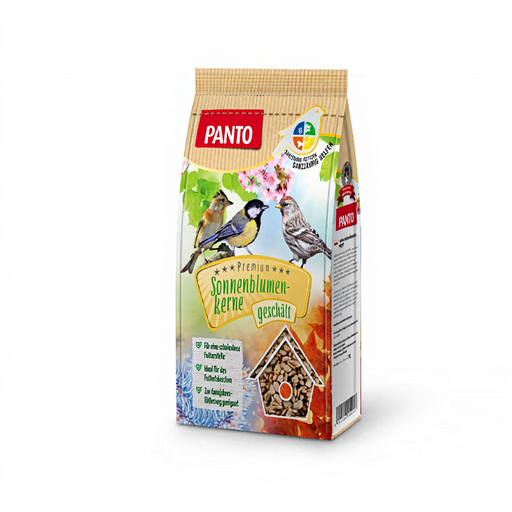
PANTO Premium Shelled Sunflower Seeds 1 kg
Why it's a great fit: Ideal for feeding wild birds on balconies or patios where cleanliness is a high priority. The seeds provide high energy density without leaving behind shell waste.
This product solves the "Waste Trap." Since the shells have already been removed, there is no residue to contaminate the feeding station or the area below.
100% shell-free sunflower seeds offer a clean, high-energy food source that is accepted by many bird species.
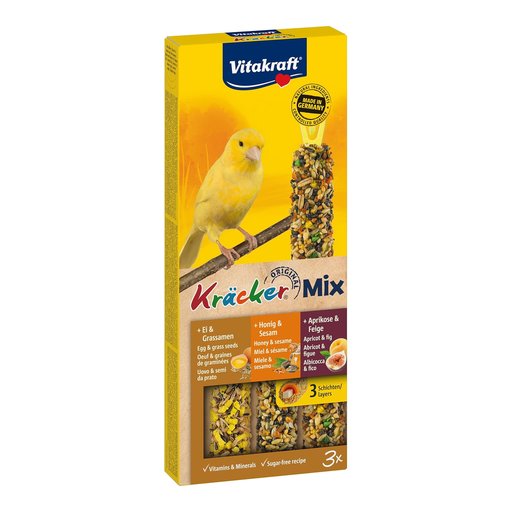
Vitakraft Kr?cker Trio-Mix for Canaries
Why it's a great fit: Offers canary owners a varied activity that challenges the bird while also serving as a supplementary feed. The different flavours provide variety.
This product addresses the "Sugar Trap." According to the manufacturer, it is made with a sugar-free formula and serves not only as a treat but also for beak care and enrichment.
The triple-baked structure on natural wood encourages natural pecking behaviour and beak wear. The mix of three varieties offers sensory diversity.
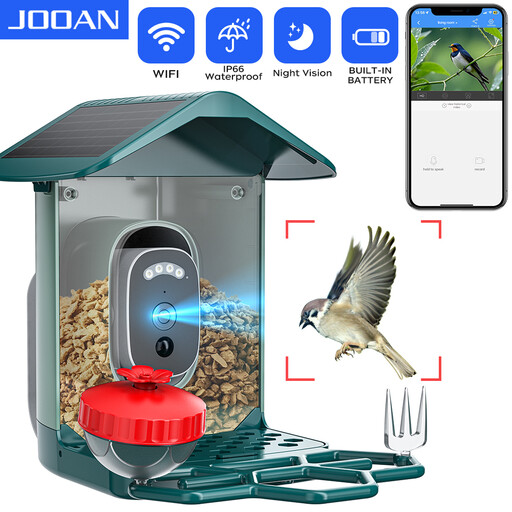
JOOAN WiFi Solar-Powered Smart Bird Feeder
Why it's a great fit: Combines the joy of birdwatching with modern technology. Users can photograph and film birds in high resolution without disturbing them and receive notifications on their smartphone.
Modern feeders like this one are often made from smooth, easy-to-clean materials (ABS+PC), which defuses the "Hygiene Trap." The design facilitates regular cleaning.
The combination of a 2K camera, solar power, and app connectivity offers an interactive nature experience. The 2-litre feed capacity reduces the frequency of refills.
Looking for more options?
We have compiled a complete, up-to-date list of products that fully meet these strict selection criteria.
Frequently Asked Questions (FAQ)
How often should a bird feeder be cleaned?
Regular cleaning is crucial to prevent the spread of disease. It is recommended to clean a bird feeder at least every two weeks, or weekly in damp weather or with heavy use. Remove all food residue and clean the surfaces with hot water and a brush. Let the feeder dry completely before refilling.
Is year-round feeding of wild birds recommended?
Year-round feeding is a widely debated topic. However, leading ornithological associations see benefits in moderate, year-round supplementary feeding, especially in urban and intensively farmed areas where natural food sources are scarce. Species-appropriate feeding can help birds not only in winter but also during the strenuous breeding and rearing season.
How can I identify high-quality food for pet birds?
You can recognise high-quality budgie food or canary food by several features. The mix should be diverse and consist of various seeds. Look for a sugar-free formula and enrichment with necessary vitamins and minerals like iodine. The ingredient list should be transparent. Good quality food smells fresh, is dust-free, and contains no contaminants or signs of mould.