
How to Choose Whey Protein for Muscle Growth
The protein powder market can be overwhelming. Countless brands make bold promises about accelerating muscle growth, but not every product lives up to its claims. Many athletes invest in expensive powders with formulas that aren't aligned with their goals, or that are made to seem more premium than they are through clever marketing. This guide will help you identify the key quality markers to make an informed choice.
The 2 most common pitfalls when buying protein powder:
- Misleading Protein Claims: Some products advertise a high protein content per serving but obscure an unusually large serving size or use low-quality fillers. The result is a lower actual protein percentage and less value for your money.
- Overpriced "Special Formulas": Protein powders are often fortified with trace amounts of vitamins, minerals, or special amino acids to justify a higher price. However, these dosages are frequently too low to have any meaningful effect and serve primarily as a marketing gimmick.
The Decisive Criteria: What to Look for When Buying Protein Powder
To find the right protein powder for muscle growth, it's essential to understand the fundamentals. Instead of relying on marketing slogans, you should check three core parameters.
1. Protein Type: Concentrate, Isolate, or Hydrolysate?
The foundation of most products is whey protein, which is available in different processing grades.
- Whey Concentrate (WPC): This is the most common and cost-effective form. Its protein content typically ranges from 70% to 80%. It contains small amounts of lactose (milk sugar) and fat, which can be beneficial for taste. For most fitness enthusiasts, a high-quality concentrate is a perfectly sufficient and economical choice.
- Whey Isolate (WPI): Through additional filtering processes, the protein content is increased to over 90%, while fat and lactose are almost completely removed. Those looking to buy a whey isolate will benefit from faster absorption and better digestibility, especially in cases of lactose intolerance.
- Whey Hydrolysate (WPH): This is a pre-digested protein where the protein chains have already been broken down, allowing for the fastest possible absorption by the body. However, due to its complex manufacturing process and often bitter taste, it is the most expensive option and is primarily relevant for professional athletes.
2. The Amino Acid Profile (BCAAs)
Proteins are made of amino acids, which serve as the building blocks for muscle. A complete amino acid profile is crucial. Of particular importance are the branched-chain amino acids (BCAAs): leucine, isoleucine, and valine. These cannot be produced by the body and play a central role in stimulating muscle protein synthesis. A good protein powder should have a naturally high BCAA content.
3. Ingredient List: Less Is Often More
A short and understandable ingredient list is often a good sign. Watch out for unnecessary fillers, excessive amounts of sugar, or artificial thickeners. The choice of sweetener (e.g., sucralose, stevia, acesulfame-K) is often a matter of personal taste. Many people prefer a chocolate protein powder, as the cocoa flavour can effectively mask the taste of sweeteners.
Our Handpicked Recommendations
Instead of making a blanket recommendation, we have matched products to different needs and goals.
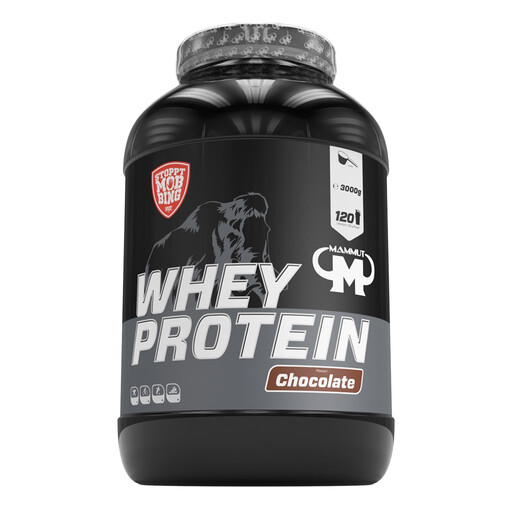
MAMMUT Nutrition Whey Protein - Chocolate - 3000g Tub
Why This Fits Their Persona: Ideal for regular users seeking a reliable protein source without the high cost. The 3000g bulk tub offers excellent value for money and covers muscle-building needs over a long period.
This product focuses on the essentials: a solid whey concentrate. It avoids expensive, low-dose additives, instead offering an honest and effective protein foundation.
High protein content of 27 g per serving (when prepared with milk) and excellent solubility. The bulk size significantly lowers the cost per shake.
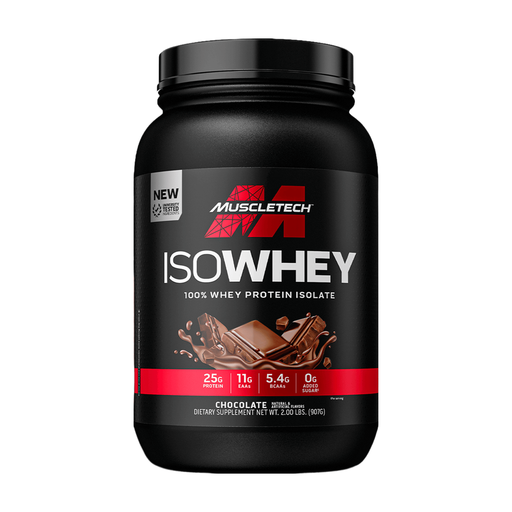
MuscleTech ISO Whey 100% Whey Isolate, 907g, Chocolate
Why This Fits Their Persona: Perfect for athletes in strict dieting phases or those with lactose intolerance. As a pure whey isolate, it delivers fast-absorbing protein with minimal carbs and fats to support recovery.
This product offers maximum transparency. It's a pure isolate with no hidden fillers and lists a detailed amino acid profile, so you know exactly what you're getting for your money.
Very high protein content of 83 g per 100 g of powder and rapid nutrient uptake due to the isolate form. Contains only 1 g of sugar per serving.
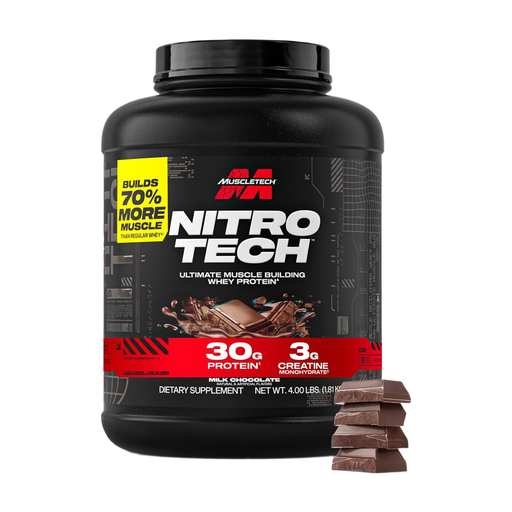
MuscleTech Nitro Tech Whey Protein - 1820 g - Milk Chocolate
Why This Fits Their Persona: For athletes who want to maximize not only muscle growth but also their strength performance. The formula combines high-quality whey protein with an effective dose of creatine monohydrate.
Instead of a vague "special formula," the creatine content is clearly declared at 3 g per serving. This is a scientifically validated dosage that offers a tangible benefit for strength performance.
An effective 2-in-1 formula that can make a separate creatine product unnecessary. Delivers 30 g of protein per serving.
Looking for More Options?
We have compiled a complete, up-to-date list of products that fully meet these strict selection criteria.
Frequently Asked Questions (FAQ)
When is the best time to have a protein shake?
Consuming a protein shake after your workout is common and effective, as the body is particularly receptive to nutrients during this window to kick-start recovery and muscle growth. However, a shake can also be used in the morning after waking up for a quick protein boost or as a protein-rich snack between meals.
My protein powder is clumpy—what can I do?
Clumping is often a sign of poor solubility or improper mixing. Use a shaker bottle with a sieve insert or a mixing ball. Always add the liquid (water or milk) first, then the powder. Shaking vigorously for 20-30 seconds should typically result in a creamy, lump-free shake. Products like ESN Designer Whey or Mammut Whey Protein are known for their excellent solubility.
What's the best whey protein for lactose intolerance?
For those with lactose intolerance, a whey isolate is the recommended choice. The additional filtration process reduces the lactose content to a minimum, making it well-tolerated by most people with this condition. When buying, look specifically for the "Whey Protein Isolate" designation on the packaging.