
Water Bottle Buyer's Guide: Avoid Bad Buys and Find Your Perfect Model
A reusable water bottle is a practical companion for everyday life, sports, or the office. But the market is crowded, and many products don't live up to their promises. Before you make a decision, it's helpful to understand the common pitfalls that often only become apparent after a few weeks of use.
As your Joybuy Product Recommendation Officer, I'm here to help you separate the wheat from the chaff. In this guide, we'll focus on the objective criteria that define a great water bottle, steering clear of common marketing traps.
The 3 Most Common Frustrations When Buying a Water Bottle:
- False "Leak-Proof" Promises: Many bottles are only sealed tight when they're standing upright and filled with still water. As soon as they're tossed in a backpack or filled with carbonated drinks, a leaky flaw often reveals itself.
- Hard-to-Clean Designs: Complex lids with fixed seals or hard-to-reach corners can quickly become a breeding ground for bacteria and mould, making hygienic cleaning nearly impossible.
- Materials That Affect Taste: Especially with budget-friendly plastic bottles, the water can take on an unpleasant aftertaste after a short time. Even if a bottle is labelled as BPA-free, other plasticisers can compromise the quality of the contents.
What Really Matters: The Core Features of a Good Water Bottle
To avoid buyer's remorse, you should focus on three essential features. These determine the durability, safety, and functionality of your bottle in daily use.
1. Material Choice: Stainless Steel, Plastic, or Glass?
The material is the foundation of your bottle's properties. Each option has specific pros and cons.
- Stainless Steel Water Bottles: Models made from 18/8 stainless steel are robust, durable, and taste-neutral. They are an excellent choice for anyone who values hygiene and stability. Double-walled, vacuum-insulated stainless steel bottles (insulated) also keep drinks hot or cold for many hours, making them ideal for sports or long workdays.
- High-Quality Plastic (Tritan/PCTG): Modern plastics like Tritan or PCTG are lightweight, shatterproof, and also BPA-free. They are a great alternative to stainless steel when low weight is a priority. Pay attention to the exact material specification to ensure no unwanted plasticisers are included.
- Glass: Glass bottles are completely taste-neutral and hygienic, as the material does not transfer any substances to the contents. Their disadvantage is the higher weight and risk of breakage, although many models come with a protective silicone sleeve.
2. Lid Mechanism and Seal
The lid is the most critical component when it comes to leak-proof performance.
- Screw-Top Lid: The classic screw-top lid with a silicone gasket is often the most reliable option, especially if the bottle will be transported lying down.
- Pop-up or Click Lids: These are especially convenient for sports or for kids, as they allow for one-handed drinking. The quality of the mechanism and seals is crucial here. Check if the lid can be disassembled to ensure thorough cleaning.
- Carbonation-Friendly: If you enjoy sparkling water, the bottle must be explicitly suitable for carbonated drinks. The lid and material must be able to withstand the resulting pressure without leaking.
3. Capacity and Form Factor
The bottle's size should fit your daily routine. A capacity of 500 ml to 750 ml is sufficient for most use cases, like the commute to work or a gym session. For longer trips or high hydration needs, models with 1 litre or more can be practical. Also, make sure the bottle's diameter fits into standard cup holders (in your car or on your bike).
Recommended Products for Every User
Based on these objective criteria, we have identified some models that are well-suited for specific use cases.
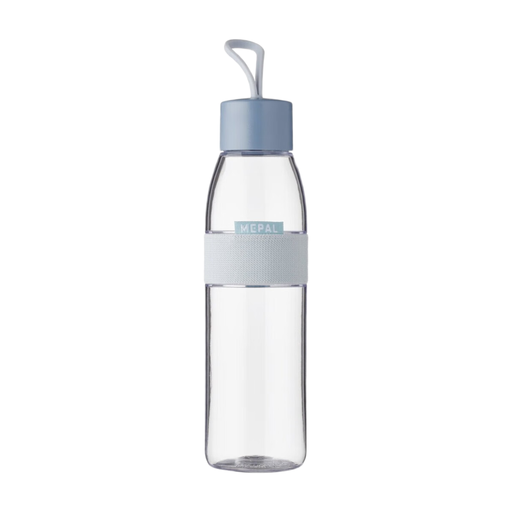
Mepal - Ellipse Water Bottle - Reusable Drinking Bottle - 500ml - Nordic Blue
Why This Fits Their Persona: Ideal for daily use due to its light weight and slim design, which fits into most bags and cup holders. The design is functional and stylish for the office environment.
The manufacturer states the bottle is 100% leak-proof and also suitable for carbonated drinks. The wide opening and dishwasher-safe design (without the rubber band) prevent hygiene issues.
Made from lightweight, BPA-free PCTG material. The practical loop keeps the lid attached so it won't get lost.
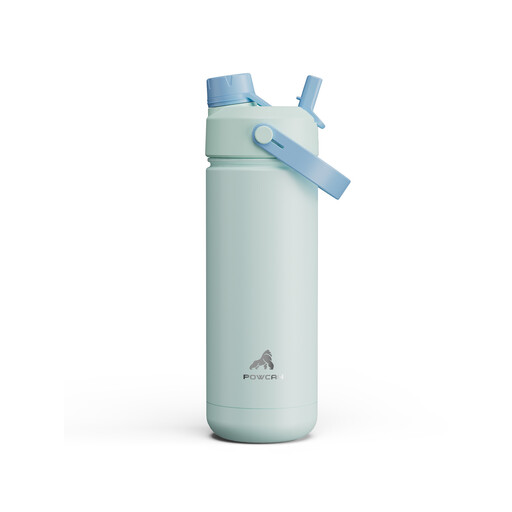
POWCAN by Meoky 18oz Dual-Opening Sports Water Bottle
Why This Fits Their Persona: This durable stainless steel bottle is designed for active users. The insulation keeps drinks refreshingly cool during sports, and the versatile lid allows for quick sips during a workout.
The double-wall vacuum insulation prevents condensation on the outside, keeping your bag dry. The 2-in-1 lid is engineered to be leak-proof and offers both a straw and a spout opening.
Excellent insulation performance (keeps cold for up to 24 hours, according to the manufacturer). Made from durable 18/8 stainless steel.
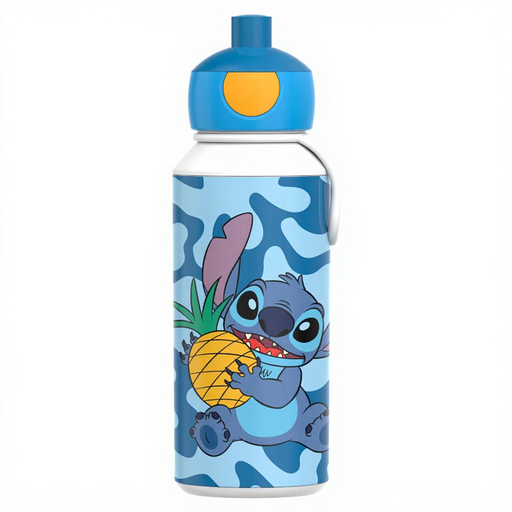
Mepal - Pop-Up Campus Drinking Bottle - Stitch - 400ml
Why This Fits Their Persona: Specially designed for kids' hands. The simple pop-up mechanism encourages independence, and the durable, BPA-free material is suitable for the rigours of a school day.
The lid can be completely disassembled for thorough cleaning. This prevents mould growth in hidden crevices—a common problem with kids' water bottles.
Leak-proof pop-up lid that opens with the press of a button and closes by pushing down the mouthpiece. The integrated carrying loop makes it easy to transport.
Looking for More Options?
We've compiled a complete, up-to-date list of products that fully meet these strict selection criteria and local safety regulations.
Frequently Asked Questions (FAQ)
How do I properly clean my reusable water bottle to prevent mould?
The most thorough method is to clean it daily with warm water and dish soap. Disassemble the lid as much as possible to access all seals and threads. Let the bottle and lid air dry completely and separately. Many bottles are dishwasher-safe, but always check the manufacturer's instructions, as high temperatures can damage seals or coatings.
Are all plastic bottles labelled "BPA-free" safe?
The BPA-free label only means that the chemical Bisphenol A was not used. However, some plastics may contain other plasticisers or substances. To be safe, it's best to opt for bottles made from high-quality, clearly specified materials like Tritan or PCTG, or choose alternatives like stainless steel and glass.
Can I put carbonated drinks in any water bottle?
No. The pressure created by carbonation can cause leaks or even material failure in unsuitable bottles. For carbonated drinks, only use bottles that are explicitly marked by the manufacturer as suitable for carbonated drinks. These models feature a reinforced body and a pressure-resistant lid.