
Table Lamp Buyers Guide: How to Choose
A table lamp is a functional lighting element, and its selection depends on specific requirements for light quality, power source, and material composition. Its primary purpose is to provide focused illumination for tasks like reading and working, or to cultivate a particular atmosphere. To ensure optimal performance for its intended application, the selection should be based on a careful analysis of its technical specifications.
Buyer's Guide: Technical Criteria for Selecting a Table Lamp
Choosing the right table lamp involves evaluating several technical and material aspects. These factors are crucial in determining the lamp's functionality, longevity, and suitability for its intended environment.
1. Lighting Technology and Quality
The choice of light source is fundamental. LED table lamps (Light Emitting Diodes) are the current standard, renowned for their high energy efficiency and long lifespan. Two key metrics define light quality:
- Color Temperature (in Kelvin, K): This value describes the color of the light.
- Warm White (< 3,300 K): Creates a cozy, relaxing atmosphere, ideal for living areas or as a bedside lamp.
- Neutral White (3,300–5,300 K): Promotes concentration and is an excellent choice for workspaces.
- Cool White (> 5,300 K): Has a stimulating effect and is often used in environments requiring high attention to detail.
- Luminous Flux (in Lumens, lm): This value indicates the lamp's brightness. For a reading lamp, around 400–500 lumens is sufficient, whereas a desk lamp for detailed work can benefit from 700–1,000 lumens.
A dimmable table lamp offers added flexibility, allowing the brightness to be adjusted according to the activity and time of day.
2. Power Supply and Portability
The type of power supply determines the lamp's flexibility and where it can be used.
- Corded Models: Provide a constant and uninterrupted power supply. They are ideal for stationary locations like a desk or bedside table.
- Rechargeable Table Lamp: A cordless table lamp offers maximum portability. It can be placed flexibly indoors and outdoors, independent of a power outlet. Key parameters here are the battery capacity (in mAh), which determines the illumination time, and the charging time.
3. Material and Construction
The choice of material influences not only the aesthetics but also the stability and durability.
- Metals (e.g., Stainless Steel, Aluminum): Offer high stability and a modern look. They are robust and easy to maintain.
- Natural Materials (e.g., Marble, Wood): Give the lamp a high-quality and unique feel. Marble provides a heavy, stable base.
- Plastics (e.g., ABS, PVC): Are lightweight, often more cost-effective, and allow for diverse shapes. Their durability can vary depending on the quality.
- Glass: Is often used for lampshades to diffuse light and create pleasant illumination.
A modern table lamp design is often characterized by clean lines, minimalist forms, and a combination of high-quality materials like metal and glass.
Curated Table Lamp Selections
Based on an analysis of product specifications and functional design, we present three models, each with a distinct focus.
1. Premier Housewares Black Marble Base Globe Table Lamp
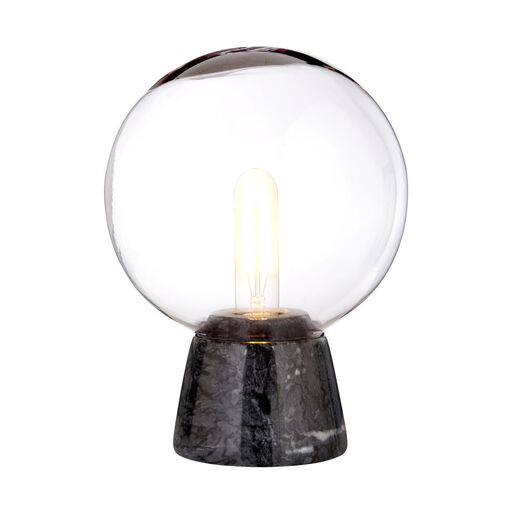
- Why We Recommend This Product: This model combines two high-quality materials—solid black marble and clear glass. The construction focuses on stability and a timeless aesthetic. The heavy marble base (material composition: 50%) ensures a secure footing, while the glass globe shade distributes light evenly.
- Advantages:
- High-Quality Materials: The use of genuine marble and glass creates a premium look and feel.
- Stable Base: The solid base prevents accidental tipping.
- Classic Design: The combination of a globe shape and marble complements many interior design styles.
- Best Suited For: Users looking for a decorative yet functional designer table lamp for the living room, a sideboard, or as a statement bedside lamp.
2. Dimmable LED Table Lamp with Touch Function
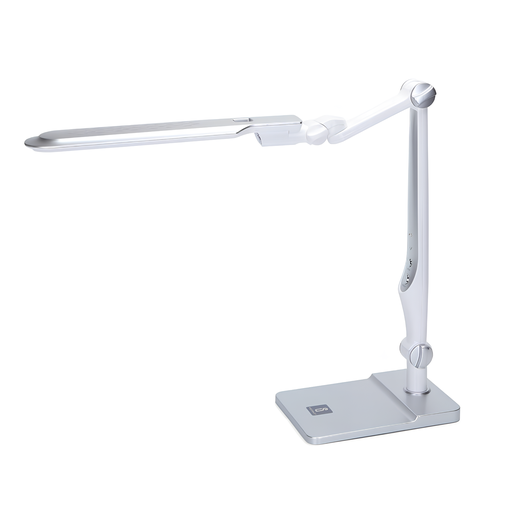
- Why We Recommend This Product: This LED table lamp stands out for its advanced technical functionality. It offers an adjustable color temperature from 3,000 K (Warm White) to 6,500 K (Cool White) and a stepless dimming function. Operation is intuitive via a touch control panel.
- Advantages:
- Flexible Light Adjustment: The color temperature and brightness can be adapted to any situation—from focused work to relaxed reading.
- Targeted Illumination: The flexible lamp arm allows for precise positioning of the light.
- Energy-Efficient: The 9-watt LED technology provides bright illumination with low power consumption.
- Best Suited For: Individuals who need a functional desk lamp for a home office or study area and value customizable lighting conditions.
3. Tubicen Portable Lamp, Battery Operated
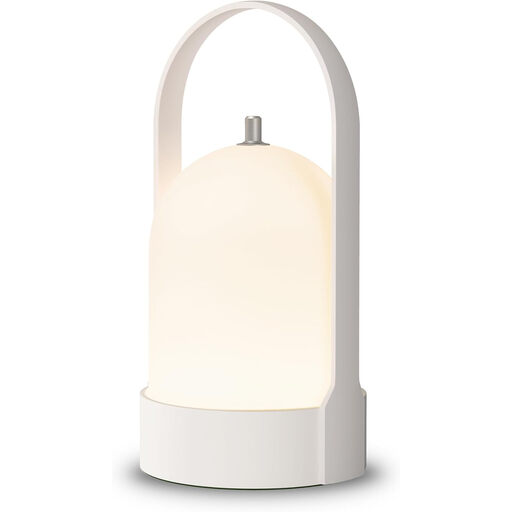
- Why We Recommend This Product: The focus of this model is on portability and flexibility. As a cordless table lamp with a 4,000 mAh battery, it is not tied to a power outlet. Its IP44 certification signifies protection against splashing water, enabling its use outdoors (e.g., on a balcony or for camping).
- Advantages:
- High Portability: The integrated battery and ergonomic handle allow for easy transport.
- Long Battery Life: According to the manufacturer, the illumination time is up to 80 hours at minimum brightness.
- Versatile Use: Thanks to 4-level touch dimming and splash-proof protection, it is suitable for both indoor and outdoor use.
- Best Suited For: Users seeking a flexible light source for various locations, whether for a garden table, as emergency lighting during a power outage, or as a portable bedside lamp.
Further Options and Matching Accessories
If these models do not meet your specific requirements, or if you are looking for a side table to perfectly showcase your new lamp, you can find more products and inspiration in our Lamp Tables category.
Frequently Asked Questions (FAQ)
1. What is the difference between warm white and cool white light in a table lamp? Warm white light (under 3,300 Kelvin) has a higher red component and creates a cozy atmosphere, similar to an incandescent bulb. Cool white light (over 5,300 Kelvin) has a higher blue component, resembles daylight, and has a stimulating effect that can enhance concentration.
2. How many lumens should a desk lamp have? For general desk work, a luminous flux of about 500 to 750 lumens is recommended. For activities requiring high attention to detail, such as technical drawing or intricate crafts, values over 1,000 lumens can be beneficial. A dimming function is advantageous here to flexibly adjust the brightness.
3. What are the advantages of a rechargeable table lamp? The main advantage of a rechargeable table lamp is its portability. It can be used anywhere light is needed, independent of power outlets—on the balcony, in the garden, in rooms without a suitable power connection, or as emergency lighting. This significantly increases everyday flexibility.