
Buying Soy Sauce: A Guide to Making the Right Choice
Anyone who’s ever stood before the Asian condiment aisle knows the dilemma: dozens of bottles, all labelled "soy sauce", yet varying wildly in price, colour, and origin. Choosing the wrong one can significantly compromise a carefully prepared meal. To avoid disappointment, it helps to know the most common purchasing pitfalls.
A common mistake is unknowingly picking the wrong type—for instance, using a dark, thick sauce for a light sushi dish, which overpowers the delicate flavour of the fish. Another point of concern is the ingredient list: many products contain high amounts of sugar, flavour enhancers, or preservatives that aren't always desirable. Furthermore, the significant differences between regional varieties—like a sweet Indonesian or a salty Japanese sauce—are often overlooked, leading to an inauthentic taste experience.
The Key Parameters: Light, Dark, or Sweet?
To buy the right soy sauce, distinguishing by type and intended use is the first and most crucial step. The three main categories have very different properties and are not interchangeable.
- Light Soy Sauce: This is the most versatile and commonly used variety in Chinese and Japanese cuisine. It is thin, has a light brown colour, and a distinctly salty flavour. Light soy sauce is primarily used for seasoning, not for colouring. It's the standard choice for dipping, stir-fries, soups, and as soy sauce for sushi.
- Dark Soy Sauce: This sauce is fermented longer and often contains added molasses or caramel, giving it a deep dark colour and a thicker consistency. It is less salty than light soy sauce and has a slightly sweet note. Its main purpose is to add colour to dishes. It is ideal for braised dishes like Red-Braised Pork to give them an appealing, rich colour and depth of flavour.
- Sweet Soy Sauce: This variety, known in Indonesia as ketjap manis, is very thick, almost syrupy, and has a dominant sweet flavour derived from palm sugar. This Indonesian soy sauce is a key ingredient for dishes like Nasi Goreng, satay marinades, or as a glaze for grilled foods.
Origin and Brand as a Guide
The country of origin often provides a clear indication of a soy sauce's flavour profile and intended use. Each culinary tradition has developed its own preferences.
- Japan: Japanese sauces (shoyu), such as Kikkoman soy sauce or Yamasa, are often all-purpose sauces that achieve a balanced, umami-rich flavour through natural brewing.
- China: Here, a strict distinction is made between light (shēng chōu) and dark (lǎo chōu) soy sauce, which are used for different cooking techniques.
- Thailand: Thai producers like Healthy Boy soy sauce offer a wide range of sauces, including light, dark, and special seasoning sauces with mushroom flavour. A Thai soy sauce is often tailored to the specific requirements of the country's cuisine.
- Indonesia: The cuisine is famous for ABC Kecap Manis, an indispensable sweet soy sauce that gives many national dishes their characteristic flavour.
Our Picks for Different Culinary Goals
Instead of making a blanket recommendation, we have matched products based on specific user profiles and intended uses.
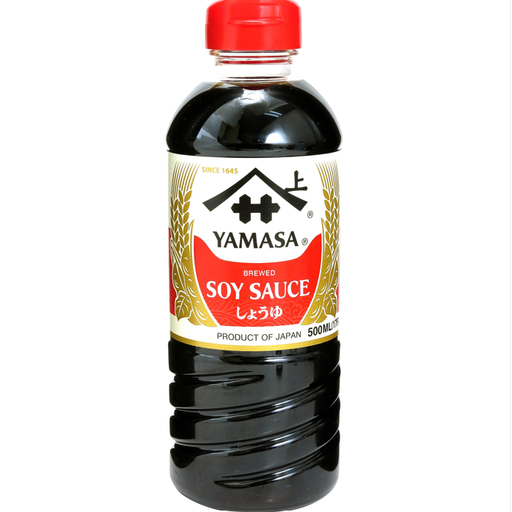
YAMASA Soy Sauce Fancy 500 ML
Why This Fits Their Persona: Ideal for home cooks looking for a reliable, all-purpose soy sauce for a variety of dishes, from Japanese classics to everyday seasoning needs.
This product avoids the pitfall of buying a sauce that is too specialised. As a classically brewed Japanese soy sauce, it is neither too sweet nor primarily intended for colouring, making it widely applicable.
Naturally fermented with just four ingredients (soybeans, wheat, salt, water). It offers a balanced, rich umami flavour that enhances dishes without overpowering them.
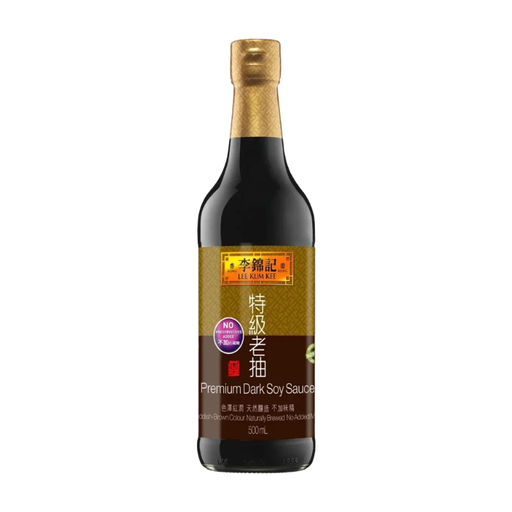
LEE KUM KEE Premium Dark Soy Sauce 500ml
Why This Fits Their Persona: Perfect for cooks who want to give their braised dishes, stews, and marinades a deep, appetising colour and a rich, complex flavour note.
This sauce solves the problem of light soy sauce not adding colour. It is specifically designed as a dark soy sauce and prevents pale results in dishes that require a rich colour.
Imparts an intense caramel colour (E150a, E150c) and a rich flavour that is less salty than light soy sauce. Ideal for authentic Chinese cuisine.
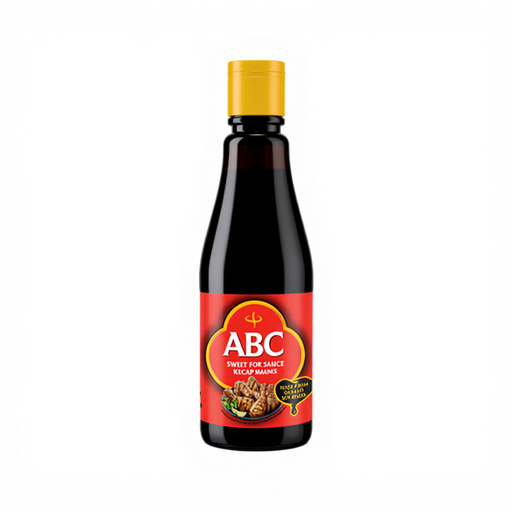
ABC Sweet Soy Sauce - Kecap Manis 600 ml
Why This Fits Their Persona: Indispensable for lovers of Southeast Asian cuisine who want to replicate the authentic taste of dishes like Nasi Goreng, Bami Goreng, or satay skewers at home.
This product is the authentic sweet soy sauce. It prevents the temptation to mix regular soy sauce with sugar, which never achieves the correct syrupy consistency and complex flavour of real ketjap manis.
Offers the characteristic thick, syrupy consistency and a deep, sweet-salty aroma that is essential for Indonesian cuisine. Versatile for marinades, wok dishes, and as a dip.
Looking for More Options?
We have compiled a complete, up-to-date list of products that fully meet these strict selection criteria and all relevant food regulations.
Frequently Asked Questions
How should soy sauce be stored after opening? Most manufacturers recommend refrigerating soy sauce after opening. While not strictly necessary for preservation due to its high salt content, refrigeration helps maintain its flavour and quality over a longer period. Always follow the instructions on the product label.
What is the difference between soy sauce and tamari? The main difference lies in the ingredients. Traditional soy sauce is brewed from soybeans and wheat. Tamari, on the other hand, is typically made with little to no wheat. This often makes tamari a suitable option for a gluten-free diet. In terms of taste, tamari tends to be slightly less complex and has a stronger salt flavour.
Can you substitute light and dark soy sauce for each other? A direct swap is not recommended, as they serve different functions in a dish. Light soy sauce primarily provides the salty base flavour (umami). Dark soy sauce adds deep colour and a mild, malty sweetness. If you substitute one for the other, the final result in both taste and appearance will change significantly.