
Seaweed Snack Buying Guide 2026: A Data-Driven Selection
Edible seaweed, known as Gim in Korean cuisine, is an ingredient with a long tradition and a characteristic umami flavor. As a processed seaweed snack, it is gaining popularity among consumers looking for savory, nutrient-conscious alternatives. Those looking to buy edible seaweed face a growing variety of products that differ in form, seasoning, and intended use. This analysis focuses on the technical specifications and functional properties of various seaweed products to enable an informed choice.
Buying Criteria for Seaweed Snacks: What to Look For
Selecting the right product is based on objective criteria. The following parameters help differentiate the available options.
1. Form Factor and Texture
The format largely determines the texture and use case:
- Roasted Sheets (Nori Sheets): This is the classic form, famous from sushi. The thin, crispy sheets are typically offered in small, rectangular portions as a direct seaweed snack. Their texture is light and fragile.
- Seasoned Seaweed Flakes (Gimjaban): These are shredded and roasted seaweed mixed with oil, salt, and often sesame seeds. The result is crispy seaweed flakes that are ideal as a topping for rice, noodles, or soups.
- Seaweed Crackers: In these products, seaweed is incorporated as a seasoning or ingredient into a dough of rice or wheat flour, which is then baked or fried. They offer a firmer, more robust texture compared to pure seaweed sheets.
2. Ingredients and Seasoning
The ingredient list reveals the flavor profile and processing. Key components include:
- Type of Oil: Commonly used oils include canola, corn, and sesame oil. Sesame oil gives the snack a nutty, authentic Asian aroma. The type and amount of oil affect the total calorie count.
- Sodium Content: The salt content varies significantly between products. A look at the nutrition facts per 100 g allows for a direct comparison.
- Additional Seasonings: Besides salt, sugar, soy sauce powder, or other flavor enhancers are often used. Products labeled as "Original" tend to have a simpler ingredient list.
3. Nutritional Profile
For health-conscious consumers, the nutritional information is a key factor. Relevant values include:
- Energy (kJ/kcal): Products with a high oil or carbohydrate content (e.g., crackers) have a higher energy value.
- Protein Content: Seaweed is a source of plant-based protein. The content can vary depending on the type and processing.
- Fat and Sugar Content: These values are particularly relevant when comparing seasoned flakes or crackers.
Our Product Selection for 2026
The following selection is based on an analysis of product specifications and intended use cases.
1. Kimnori Jaban Flaked & Seasoned Seaweed (Original) 40g
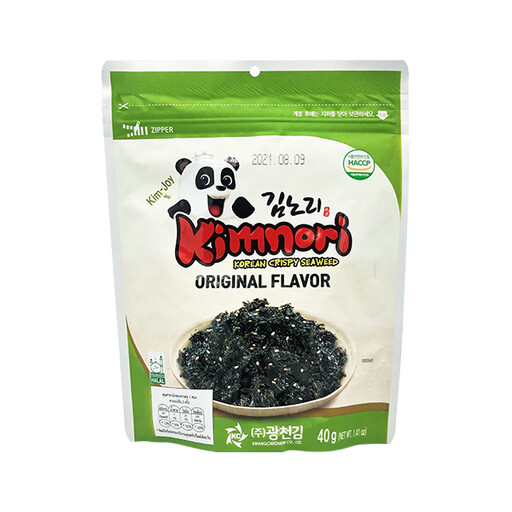
Why We Recommend It: This product represents the traditional Korean preparation style of Gimjaban. The combination of roasted seaweed (75%), canola and sesame oil, and roasted sesame seeds creates a complex, nutty-savory flavor profile. The historical name "bapdoduk" (rice thief) directly points to its primary use case as an accompaniment to rice, underscoring its authenticity.
-
Pros:
- Authentic flavor profile from the use of sesame oil and roasted sesame.
- Versatile as a topping for rice, noodles, soups, and salads.
- Crispy texture that holds up well when mixed with other foods.
-
Best For:
- Individuals who appreciate authentic Korean cuisine and are looking for a flavor-packed addition to their meals.
- Users who enjoy making rice balls (Jumeokbap) or other traditional dishes.
2. Bin Bin Travel Cracker Seaweed Bottle 150g
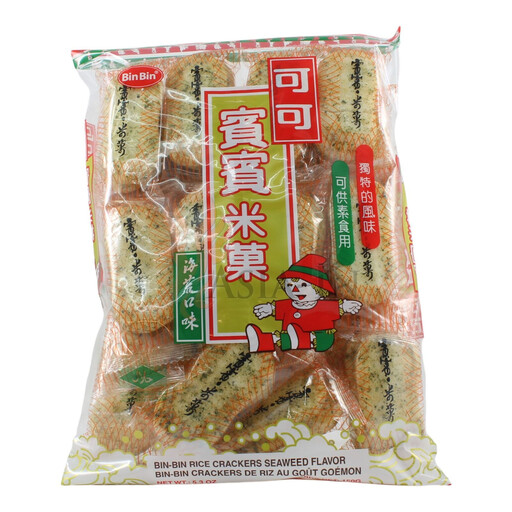
Why We Recommend It: This seaweed snack combines two components: a rice-based cracker (64.8%) and a seaweed seasoning (0.8%). Unlike pure seaweed products, this snack offers a more substantial, crunchier texture. The ingredient list includes palm oil, sugar, and soy sauce powder, resulting in a sweet-and-savory flavor profile.
-
Pros:
- Firm, crispy cracker texture.
- Balanced sweet-and-savory flavor.
- Resealable packaging that preserves freshness.
-
Best For:
- Consumers who prefer a snack with more bite and substance compared to light seaweed sheets.
- Suitable as an accompaniment to tea or as a snack for guests.
3. Kimnori Seasoned Seaweed Original 3 x 4g
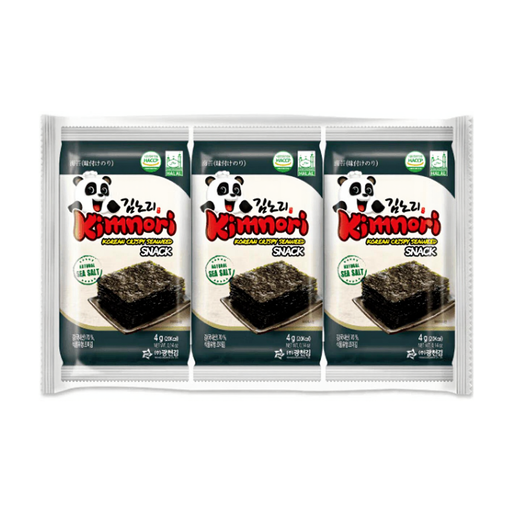
Why We Recommend It: This product offers the classic roasted seaweed snack in the form of thin sheets. A key feature is its division into three separate 4g packs, which ensures the product's crispiness until consumption. The ingredient list is minimalist, with seaweed, an oil blend, and salt. At 0g of sugar and 25g of protein per 100g, it represents a nutrition-focused option.
-
Pros:
- Portion control and freshness thanks to individual packaging.
- Classic, light, and crispy texture.
- No added sugar according to the nutrition facts.
-
Best For:
- People looking for a light, low-calorie snack for on the go, the office, or in a lunchbox.
- Consumers who prefer a purist seaweed flavor experience without complex seasonings.
Other Options and Alternatives
The products featured cover different user needs. If you are looking for more specific flavors like wasabi or teriyaki, or other formats such as unroasted sheets for preparing soups, we recommend exploring the broader assortment. You can find an extended selection of products in our Salted Seaweed category.
Frequently Asked Questions (FAQ)
1. What is the difference between Nori and Gim? The terms essentially refer to the same thing. Nori is the Japanese name for edible seaweed, specifically from the Pyropia genus. Gim is the Korean term. Both terms describe the thin, dried, and often roasted sheets used as a snack or for sushi.
2. Are seaweed snacks a low-calorie alternative? That depends heavily on the product. Pure, roasted seaweed sheets are typically very low in calories. Products like Gimjaban (seaweed flakes) or seaweed crackers contain more calories due to added oils, seeds, or rice flour. Comparing the nutrition facts per 100g is the best indicator.
3. How do you properly store opened seaweed snacks? Roasted seaweed is hygroscopic, meaning it absorbs moisture from the air, causing it to lose its crispiness. Opened packages should always be stored in an airtight container in a cool, dry place, away from direct sunlight. Single-serving products bypass this issue.