
Primer Buying Guide 2026: The Right Makeup Base for Your Skin Type
A primer, also known as a makeup base, is a foundational product applied as a preparatory layer between your skincare and foundation. Its primary function is to create a smooth, even surface, improve the adhesion of the makeup that follows, and extend its wear time. Depending on the formulation, primers can also perform additional, specific functions, such as controlling shine, visibly refining pores, or providing a boost of hydration. Selecting the right product, therefore, depends on your skin's unique needs and your desired makeup finish.
Selection Criteria for the Right Face Primer
The choice of a primer should be based on an analysis of your skin type and the desired effect. The ingredients are key in determining the product's functionality.
Analysis by Skin Type and Need
- Oily and Combination Skin: Individuals with this skin type tend to have increased sebum production, which can lead to unwanted shine throughout the day. A mattifying primer is the ideal choice here. Formulations with ingredients like silica or specific polymers can absorb excess oil and create a matte finish. A primer for oily skin also helps to prevent foundation from settling into pores and fine lines.
- Dry Skin: This skin type requires additional hydration to prevent a flaky or uneven foundation appearance. A hydrating primer with humectant ingredients like hyaluronic acid or glycerin binds moisture to the skin, creating a plump, well-hydrated base. The result is a fresher, more even makeup finish.
- Large Pores and Uneven Texture: For a visibly smoother complexion, a pore-refining primer is ideal. These products often contain silicones like dimethicone, which have a silky texture and temporarily fill in fine lines and pores. They create an exceptionally smooth canvas, allowing foundation to glide on effortlessly.
Formulation Analysis
The primer's texture affects how it feels on the skin and its compatibility with your foundation.
- Gel-Based Primers: These are often lightweight, water-based, and absorb quickly. They are suitable for most skin types, especially oily to normal skin, as they don't feel heavy.
- Cream-Based Primers: Richer formulations that often contain nourishing and hydrating components. They are an excellent option for dry and mature skin.
- Silicone-Based Primers: Recognizable by their silky-smooth texture. They are particularly effective at smoothing the skin's surface and filling in imperfections. It's important to note that they work best with silicone-based foundations to avoid "pilling" (when the product rolls up into small balls).
Our Product Selection for 2026
The following selection represents formulations that are tailored to specific skin needs and are based on objective product characteristics.
1. Benefit The Porefessional Pore Primer
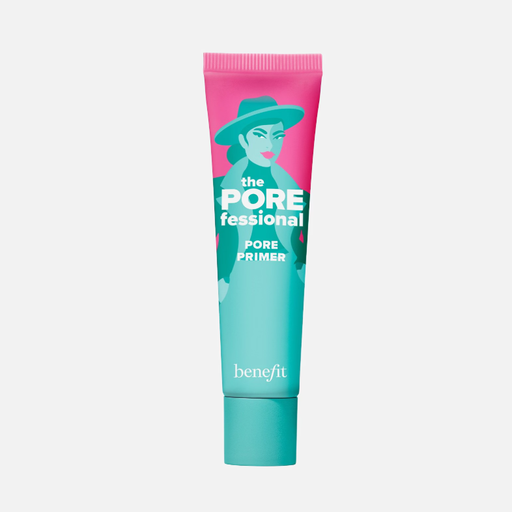
- Why We Recommend This Product: This formulation is based on dimethicone, a silicone known for its ability to create a smooth surface. It aims to visibly minimise the appearance of pores and fine lines. The oil-free and translucent texture makes it suitable for a wide range of skin tones.
- Benefits:
- Lightweight, silky texture for a smooth feel on the skin.
- Oil-free formula designed to be non-comedogenic.
- Contains Tocopheryl Acetate (a Vitamin E derivative) with antioxidant properties.
- Can be used alone, under, or over makeup.
- Who It's For: Users with normal, combination, or oily skin whose primary concern is minimising the visibility of pores and creating a smooth makeup base.
2. MAC Hyper Real Serumizer
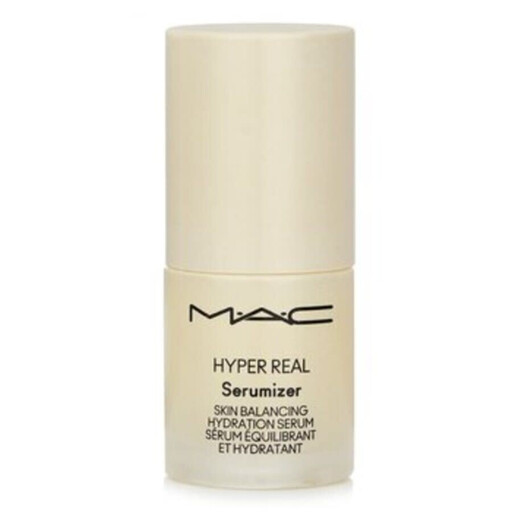
- Why We Recommend This Product: This product is a serum-primer hybrid. It combines skincare ingredients with the preparatory properties of a makeup base. The formula contains Niacinamide, Hyaluronic Acid, and Ceramides, which aim to strengthen the skin barrier and boost hydration. Fine, light-diffusing particles are included to provide a subtle glow.
- Benefits:
- Combines skincare and makeup prep in a single step.
- Lightweight, breathable texture.
- Provides a hydrated and radiant base.
- Contains ingredients like Niacinamide and Hyaluronic Acid.
- Who It's For: Users with normal to dry skin who want a hydrating and luminous base. Ideal for those who prefer a "glowy" finish and appreciate the skincare aspect of their makeup routine.
3. e.l.f. Power Grip Matte Primer
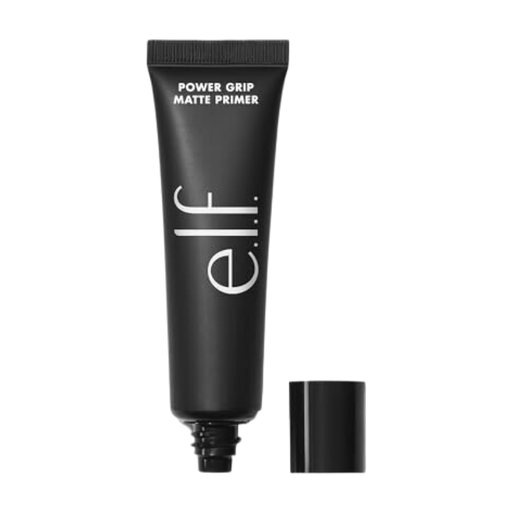
- Why We Recommend This Product: This gel-based primer is designed to create a strong-gripping base for makeup while simultaneously mattifying the skin. The formulation contains Niacinamide and Backhousia Citriodora Leaf Extract, which can help control oil production. Its tacky texture after drying provides a long-lasting primer effect.
- Benefits:
- Gel texture that provides a strong "grip" on makeup.
- Delivers a matte, shine-free finish.
- Non-comedogenic formulation.
- Declared as vegan and cruelty-free.
- Who It's For: Especially for users with very oily or combination skin who need maximum longevity from their makeup and effective shine control throughout the day.
Discover More Options
The products featured cover specific use cases. If you are looking for alternative formulations, different textures, or primers for particular skin concerns, a broader selection may be helpful.
Discover more products in our Cosmetics & Makeup Products category.
Frequently Asked Questions (FAQ)
1. What is the difference between a primer and a moisturizer? A moisturizer primarily serves to hydrate and nourish the skin. A primer is a makeup product applied after moisturizer to prepare the skin's surface for foundation. Its main functions are smoothing texture, improving makeup longevity, and, depending on the formula, mattifying or hydrating the skin.
2. Can you wear a primer without makeup? Yes, many primers can be used without any subsequent makeup. For example, a pore-refining primer can visually smooth the skin's texture and create a more even-toned complexion. A mattifying primer can be worn alone to control shine.
3. How do you apply a face primer correctly? Apply a small, pea-sized amount of primer to cleansed and moisturized skin. Start in the center of your face (typically the T-zone) and blend the product outwards with your fingertips or a brush. Wait about 30 to 60 seconds for the primer to fully absorb before proceeding with your foundation.