
The Complete Oyster Sauce Buyer's Guide
Oyster sauce is a cornerstone of Asian cuisine, lending a distinctive, deep umami note to dishes. Yet, when it comes to buying it, many find themselves facing an overwhelming selection. The differences in price, brand, and ingredients are significant and often lead to the wrong purchase. An unsuitable product can detract from a dish's flavour rather than enhance it.
This guide will help you avoid the most common pitfalls and make an informed decision that suits your culinary needs.
Common Pitfalls When Buying Oyster Sauce:
- Misleading Labels: Not every dark, thick sauce labelled "Oyster" contains a significant amount of real oyster extract. Products declared as "Oyster Flavoured Sauce" are often based primarily on artificial flavourings and contain a minimal amount, if any, of the namesake extract. The result is a one-dimensional, often overly salty taste that lacks the complex depth of a true umami sauce.
- Incorrect Viscosity: The consistency of the sauce is crucial for its application. A sauce that is too thin won't cling well to ingredients in a stir-fry and is poor for glazing. Conversely, an extremely thick sauce can be difficult to portion and distribute evenly in marinades. Choosing the wrong viscosity leads to unsatisfactory cooking results.
- Wrong Pack Size: Buying a large, bulk bottle might seem economical, but it's often impractical for occasional use. Once opened, oyster sauce has a limited shelf life in the refrigerator. A bottle that's too large can spoil before it's finished. Conversely, for restaurants or households that cook Asian food daily, small bottles are quickly depleted and become costly in the long run.
What Really Matters When Choosing
To find the right oyster sauce, you should consider three key parameters. These will help you objectively evaluate a product's quality and suitability.
1. Oyster Extract Percentage
The most important indicator of quality and depth of flavour is the percentage of oyster extract. This value specifies how much of the main ingredient is actually in the product.
- High Percentage (over 10%): Products with a high percentage, such as some varieties of Maekrua Oyster Sauce (up to 30% according to the manufacturer) or Haday Oyster Sauce (with 11-12% in certain lines), typically offer an intense, authentic, and complex flavour profile. They are ideal for dishes where the characteristic umami taste is meant to be the star.
- Medium Percentage (3-10%): Many well-known brands like Lee Kum Kee Oyster Sauce position their standard products in this range. They offer a good balance of flavour and price and are highly versatile.
- Low Percentage (under 3%): Sauces with a very low percentage (e.g., 0.1% to 1%) are often better understood as "oyster flavoured sauces." Their flavour profile is more heavily influenced by other ingredients like soy sauce, sugar, and flavour enhancers.
2. Viscosity and Other Ingredients
The ingredients list reveals a lot about the sauce's consistency and character. Pay attention to the order of the ingredients.
- Thickening Agents: Ingredients like modified corn starch or wheat flour determine the thickness. A good sauce for stir-fries should have a medium viscosity so it clings to vegetables and meat without clumping.
- Sugar and Salt: The ratio of these two ingredients shapes the balance between sweet and salty. This profile can vary depending on the region of origin (e.g., Thai cuisine vs. Chinese cuisine). Thai sauces are often a bit sweeter, while Cantonese versions may have a saltier focus.
- Colouring and Flavour Enhancers: Caramel colour (E150a/c) is often used for colouring. Flavour enhancers like monosodium glutamate (E621) are common in many Asian condiments to intensify the umami taste.
3. Pack Size and Use Case
Choose the size that matches your consumption habits.
- Small Bottles (150 ml - 300 ml): Ideal for beginners or if you only use oyster sauce occasionally.
- Standard Sizes (500 ml - 900 g): A great choice for home cooks who regularly prepare Asian dishes.
- Bulk Containers (2 kg and up): The most economical option for restaurants, takeaways, and large families with very high consumption.
Top Recommendations For You
Here are some recommendations tailored to different needs and cooking habits.
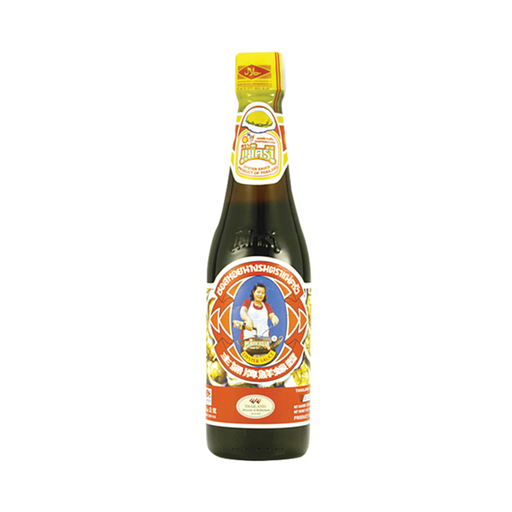
Maekrua Oyster Sauce 600 ml
Why This Fits Their Persona: For cooks who seek the authentic, intense flavour of Thai cuisine and refuse to compromise on the main ingredient. The high extract percentage ensures an unparalleled depth of flavour.
It sidesteps the "flavoured sauce" trap with a declared oyster extract content of 30% (according to the manufacturer), guaranteeing a genuine and complex umami taste.
Very high oyster extract content for maximum depth of flavour. Ideal for authentic Thai dishes.
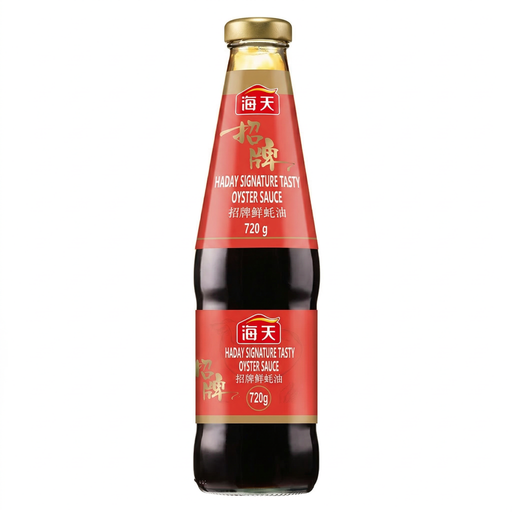
Haday Signature Oyster Sauce 720g
Why This Fits Their Persona: Perfect for regular use in the family kitchen. This sauce offers a balanced flavour profile that works for a wide variety of Chinese dishes, from stir-fries to marinades.
Avoids the mistake of buying a sauce that's too specialised. Its all-purpose nature, with a solid oyster extract content of 11% (according to the manufacturer), makes it a reliable choice for many recipes.
Versatile with a balanced flavour. The 720g pack offers great value for money for frequent use.
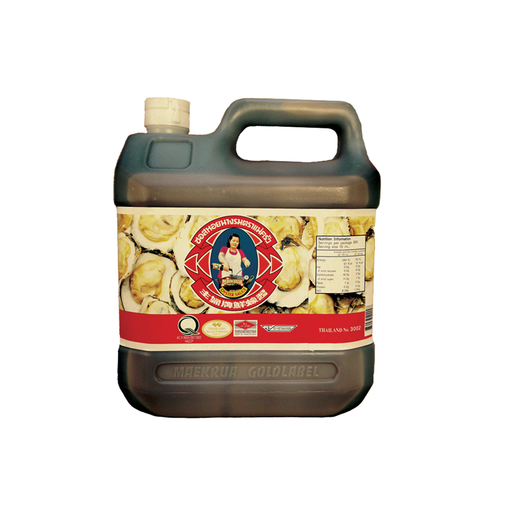
Maekrua Oyster Sauce 4.5L
Why This Fits Their Persona: Designed for the high demand of professional kitchens. This bulk container combines the intense flavour of a highly concentrated product with the cost-effectiveness required in the food service industry.
Solves the problem of uneconomical small packs in a professional setting. The 4.5-litre jug significantly lowers the cost per litre and drastically reduces reordering effort.
Large, cost-effective container. The high oyster extract content of 30% (according to the manufacturer) ensures consistent and flavour-intensive results.

LEE KUM KEE Premium Oyster Sauce 255g
Why This Fits Their Persona: Those starting out with oyster sauce want a reliable product from an established brand. Lee Kum Kee is globally renowned and stands for a consistent, authentic taste. The small bottle is perfect for trying it out.
Prevents the initial disappointment that can come from a low-quality, no-name product. Choosing a reputable brand like Lee Kum Kee ensures a positive first experience with this versatile condiment.
A globally recognised brand with reliable quality. The 255g bottle is the perfect size to get acquainted with the sauce without committing to a large quantity.
Looking for more options?
We've compiled a complete, up-to-date list of products that fully meet these strict selection criteria.
How long does oyster sauce last after opening?
Once opened, oyster sauce should always be kept tightly sealed in the refrigerator. Most manufacturers recommend consuming the product within a few weeks to a few months. Check the specific information on the label. Signs of spoilage include mould, a sour smell, or a significant change in colour and consistency.
Are there vegetarian alternatives to oyster sauce?
Yes, there are vegetarian and vegan alternatives, often labelled as "vegetarian oyster sauce" or "mushroom seasoning sauce." These products are typically made from mushroom extracts (usually shiitake) to achieve a similar umami flavour and comparable consistency. They are an excellent option for adding a similar depth of flavour to vegetarian dishes.
What is oyster sauce primarily used for?
Oyster sauce is an extremely versatile Asian condiment. Its main uses include:
- Stir-fries: It's a key ingredient in many pan-fried dishes to season vegetables, meat, or tofu and to give the sauce a glossy consistency.
- Marinades: It tenderises meat and gives it a deep, savoury flavour.
- Braised Dishes: A spoonful of oyster sauce can significantly enrich the flavour of stews and braises.
- Dips and Glazes: It can be used on its own or mixed with other ingredients as a dip for spring rolls or to glaze roasted meats.