
Cervical Pillows for Neck Pain: 2026 Recommendations
Neck pain and tension upon waking can often be traced back to a suboptimal sleeping position. A key factor in this is the alignment of the cervical spine during the night. An ergonomic pillow is designed to support the head and neck in a way that allows the spine to maintain as neutral a position as possible. This can help reduce muscular strain. The selection of a suitable pillow depends on individual factors such as preferred sleeping position, body stature, and the pillow's material properties.
Buyer's Guide: What to Look for in a Cervical Pillow
The decision to purchase an orthopedic neck pillow should be based on objective criteria. The following technical aspects are crucial for its functionality and potential benefits.
Material Analysis: Memory Foam (Viscoelastic Foam)
A commonly used material for cervical pillows is Memory Foam, also known as viscoelastic foam. This thermo-elastic material reacts to body heat and pressure.
- Pressure Relief: The foam conforms to the contours of the head and neck, leading to even pressure distribution. This can minimise stress on individual pressure points.
- Support Function: After adapting to your shape, the material provides stable support. The "slow-rebound" property ensures the pillow slowly returns to its original form, enabling continuous support without counter-pressure.
- Durability: High-quality memory foam is characterised by high density and shape retention, which influences the pillow's longevity.
Ergonomic Design and Sleeping Position
The shape of the pillow is critical to its function. Many cervical pillows feature a wave-like contour with two sides of different heights.
- For Side Sleepers: As a pillow for side sleepers, the height should be chosen to bridge the gap between the head and the mattress, ensuring the spine forms a straight line. The higher side of the pillow is often suitable for this.
- For Back Sleepers: In the supine position, the neck requires less support height to avoid hyperextension. A central cradle or the lower side of the pillow can accommodate the head and support the natural lordosis of the cervical spine.
- For Stomach Sleepers: This sleeping position is often considered less than ideal from an orthopedic perspective, as it can lead to twisting of the cervical spine. Those who prefer this position need a very flat pillow or should consider sleeping without one.
Adjustable Height and Cover Material
Some models offer the ability to adjust the height by removing foam layers. This increases flexibility for different body types and sleeping preferences. The pillowcase plays a role in the sleep climate. Breathable and moisture-wicking fabrics can reduce the accumulation of heat and sweat. Washable covers are also advantageous for hygiene reasons.
Our Product Selection for 2026
Based on the technical criteria mentioned above, we have compiled a selection of cervical pillows that stand out for their specific design and material properties.
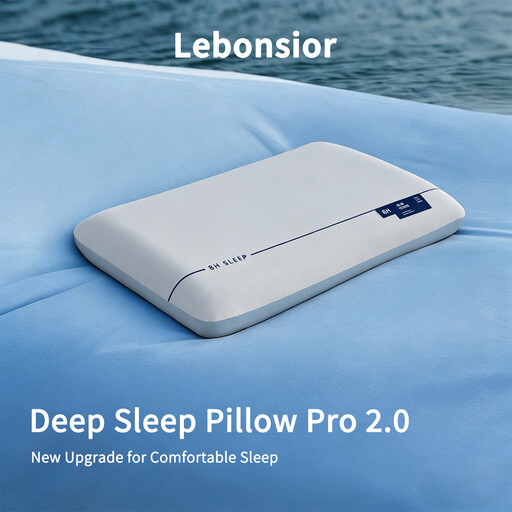
1. Lebonsior Ergonomic Neck Support Pillow, Deep Sleep Pro 2.0 Style
-
Why We Recommend This Product: This pillow uses memory foam with slow-rebound properties to offer firm yet yielding support. The design, featuring a central depression, is engineered to facilitate breathing for back sleepers, while the cervical contour mimics the natural curve of the neck and shoulders. It aims to align the head, neck, and spine.
-
Advantages:
- Targeted support for the neck and shoulders through its ergonomic contour.
- Designed for all sleeping positions (side, back, stomach).
- The slow-rebound property of the memory foam allows for gradual adaptation and relaxation of the neck muscles.
-
Best Suited For: Individuals seeking a pillow for tension relief who prefer a balanced combination of comfort and firm support. Suitable for office workers, students, and seniors looking to improve their sleep quality.
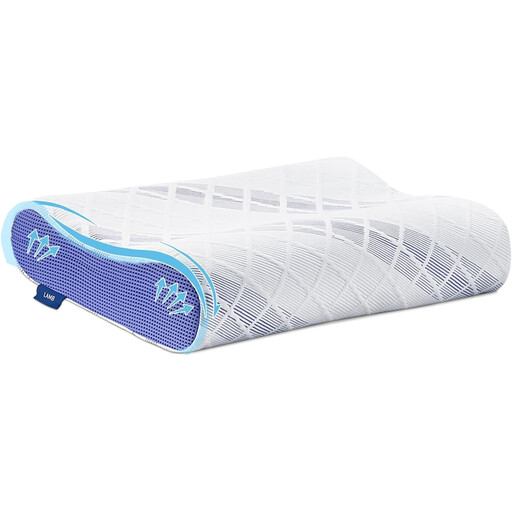
2. LAMB Adjustable Memory Foam Cervical Pillow
-
Why We Recommend This Product: The key feature of this pillow is its height adjustability. By removing a middle layer of foam, the height can be reduced from 12/10 cm to 9/7 cm. This allows for individual customisation to one's own anatomy and sleeping position. The cover, with its 3D ventilation holes, is designed for breathability and a cool sleeping climate.
-
Advantages:
- Customisable height adjustment for precise ergonomic alignment.
- According to the manufacturer, the LAMB DYNAMIC FOAM maintains its firmness and shape year-round.
- Removable and washable cover, described as dust mite resistant and hypoallergenic.
-
Best Suited For: Users who are unsure about the optimal pillow height or who switch between different sleeping positions. Also an option for allergy sufferers due to the hypoallergenic properties of the cover.
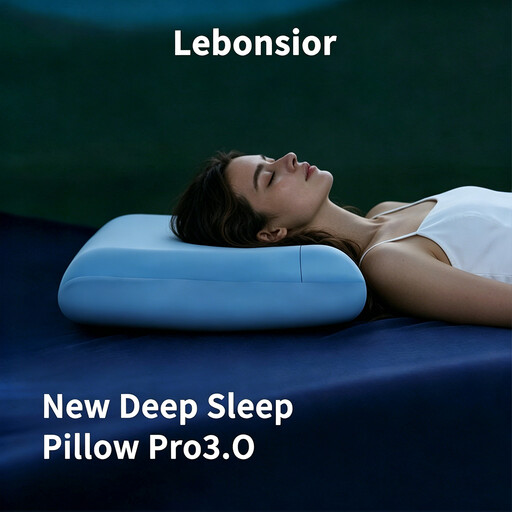
3. Lebonsior Ergonomic Neck Support Pillow, Deep Sleep Pro 3.0 Style
-
Why We Recommend This Product: This model represents an evolution, featuring a 3-layer foam construction. The first layer of slow-rebound foam cradles the head and neck, the second support layer prevents sinking in too deeply, and the third load-bearing layer provides a stable base. The enhanced cover is designed for breathability, moisture-wicking, and temperature regulation.
-
Advantages:
- Multi-layer construction for a differentiated combination of comfort and support.
- Improved temperature regulation thanks to the special pillow cover.
- Like the other models, the ergonomic contour is designed for various sleeper types.
-
Best Suited For: Individuals looking for a more technically advanced solution with a multi-stage support system. The temperature-regulating cover may be of particular interest to users who tend to overheat at night.
Other Pillow Options
While this analysis focuses on cervical pillows for home use, ergonomic support is also important on the go. For those who travel frequently and do not want to compromise on correct neck posture on planes or trains, a look into the travel pillows category could be worthwhile.
Frequently Asked Questions (FAQ)
1. How long does it take to get used to a cervical pillow? Switching from a conventional pillow to an ergonomically shaped cervical spine pillow can require an adjustment period of a few days to two weeks. Your body needs to adapt to the new, corrected sleeping posture. It is advisable to start by using the pillow for a few hours each night and gradually increase the duration.
2. Is a firm or soft cervical pillow better for tension? The ideal firmness is a balance of comfort and support. A pillow that is too soft may not offer enough support, causing the neck to bend. A pillow that is too firm can create uncomfortable pressure points. Memory foam pillows offer a good compromise here, as they adapt to the body's contour (soft feel) while providing a solid base of support (firm property).