
Guide to Buying Konjac Jelly
Konjac jelly, also known as konnyaku jelly, has evolved from a niche product into a popular trending snack in the UK and Europe. This Asian jelly snack is often perceived as a low-calorie alternative to traditional sweets. However, the growing market has also brought an overwhelming variety of products, and not everything advertised as "healthy" lives up to expectations.
Many consumers are disappointed after their purchase because the texture is wrong, the sugar content is unexpectedly high, or the flavour tastes artificial. This guide will help you identify the common pitfalls and make an informed decision the next time you want to buy konjac jelly or another fruit jelly.
The 3 Most Common Pitfalls When Buying Konjac Jelly
Before you choose a product, you should be aware of the common marketing promises and potential downsides that can lead to a bad purchase.
- The "Low-Calorie" Trap: The term "konjac" is often equated with "low-calorie." While the konjac root itself contains hardly any calories, the actual energy value of the final product depends heavily on the added ingredients. Many jellies contain high amounts of sugar or fructose syrup, which negates the low-calorie advantage. A look at the nutritional information table is therefore essential.
- The Texture Lottery: Consistency is a crucial feature of a jelly snack. It can range from very firm and chewy to soft and almost liquid, like a jelly drink. Product descriptions are often vague here. Anyone expecting a specific texture and receiving an unsuitable product is quickly disappointed.
- Misleading Fruit Advertising: An appealing packaging design with juicy fruits does not guarantee that the product actually has a high fruit content. Often, the flavour is primarily created by artificial flavourings, while the proportion of real fruit juice or fruit puree is negligible.
What to Look For Before You Buy: 3 Key Criteria
To ensure you get a product that meets your expectations, you should check three core parameters.
1. Gelling Agent and Konjac Content
The texture of a jelly is determined by the gelling agent used.
- Konjac Flour (Glucomannan): This is the ingredient that gives konjac jelly its name and its characteristic, often firm and elastic texture. A higher proportion generally leads to a firmer consistency.
- Other Gelling Agents: Konjac flour is often combined with other gelling agents such as Carrageenan (E407) or Gellan Gum (E418) to modify the texture. Products labelled as
vegan jellyuse plant-based gelling agents instead of animal-derived gelatine.
2. Sugar Source and Sweetness Level
A low-calorie snack should ideally contain little sugar. Pay attention to the ingredients list and the nutritional information.
- Sugar and Syrup: Ingredients like sugar (sucrose), fructose syrup, or glucose syrup drive up the calorie and sugar content.
- Sugar Substitutes: Products advertised as sugar-free or very low-calorie often use sweeteners like Erythritol (E968), Sucralose (E955), or Acesulfame-K (E950). These provide sweetness with very few or no calories.
3. Fruit Content and Packaging Type
The taste and quality depend heavily on the fruit content.
- Fruit Juice and Puree: A high percentage of fruit juice concentrate or fruit puree is an indicator of a more natural taste. Look for statements like "Fruit juice content ≥15%".
- Packaging: The packaging gives a clue about the consistency and intended use. Squeezable pouches are typical for a
jelly to drinkon the go, while cups are more for firmer jelly to be eaten with a spoon.
Recommended by Preference
Here are some recommendations tailored to different needs and preferences.
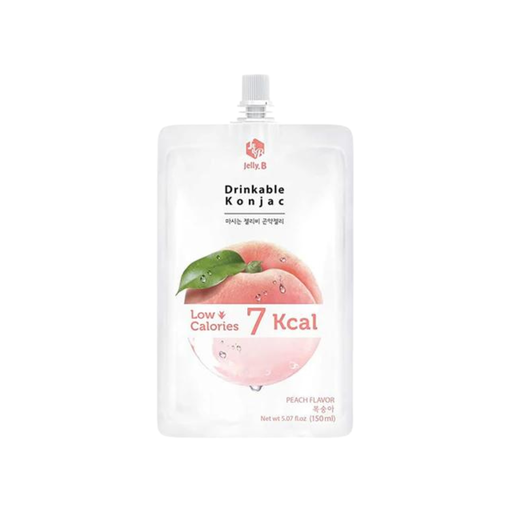
Jelly.B Konjac Jelly Peach 150ml
Why This Fits Their Persona: Ideal for anyone wanting to try the konjac jelly trend without worrying about calories. The convenient squeeze pouch makes it a hassle-free snack for in-between meals or after a workout.
This product consistently avoids the "low-calorie" trap. According to the manufacturer, it contains only 5 kcal per 100 ml and 0g of sugar, as it's sweetened with erythritol and other sweeteners.
Very low in calories; sugar-free; practical, resealable packaging for on-the-go.
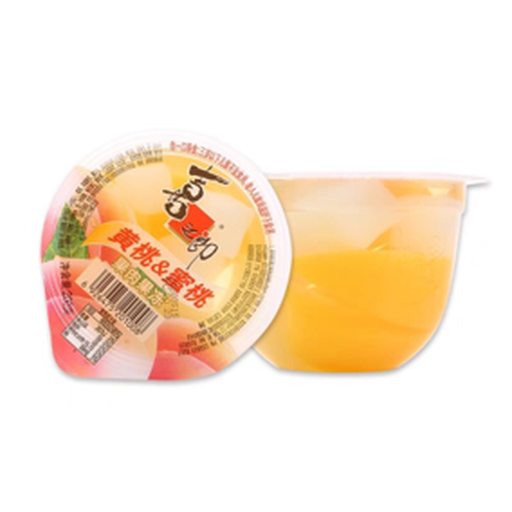
【Cool】Strong Jelly with Fruit Pieces (Yellow Peach - Honey Peach) 200g
Why This Fits Their Persona: Perfect for those seeking a full-bodied flavour experience with a noticeable texture. This jelly is less of a diet product and more of a premium Asian sweet for a moment of indulgence.
It avoids the texture lottery and the misleading fruit advertising trap by explicitly highlighting "real peach and coconut puree pieces" and promising a "chewy, tender" texture.
Contains real fruit pieces for an authentic chewing experience; balanced, not-too-firm texture; combination of yellow and honey peach for a complex flavour.
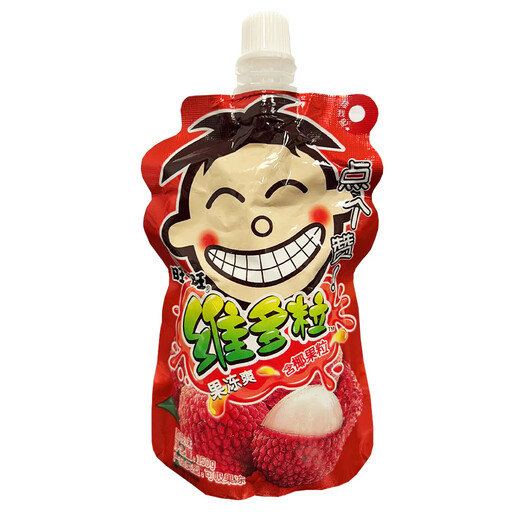
【Refreshing】WANT WANT Vidor Jelly Drink – Lychee Flavor 150g
Why This Fits Their Persona: This jelly drink is designed for people who need a quick, refreshing, and easy snack on the move. The pouch packaging is ideal for a bag, car, or desk.
The product name "Jelly Drink" and its packaging make it clear that this is a drinkable jelly, preventing any disappointment from expecting a firm texture. It also contains real lychee pulp and coconut jelly.
Drinkable consistency with chewable pieces (coconut jelly); refreshing taste; highly convenient packaging for mobile consumption.
Looking for More Options?
We have compiled a complete, real-time list of products that fully satisfy these strict selection criteria and UK safety regulations.
Frequently Asked Questions (FAQ)
1. Do you have to chew Konjac Jelly?
Yes, it is very important to chew konjac jelly and similar jelly snacks thoroughly before swallowing. Due to their firm and elastic texture, there is a choking hazard, especially for children and the elderly, if they are swallowed whole. For this reason, many manufacturers print a corresponding warning notice on the packaging.
2. Is Konjac Jelly always vegan?
Not necessarily. While the base, konjac flour, is plant-based, some products may contain other non-vegan ingredients. The most common example is gelatine, a gelling agent of animal origin. More rarely, dairy products may also be included. To be sure, check the ingredients list or look for an official vegan jelly seal on the packaging.
3. What is the best way to store Konjac Jelly?
Before opening, products should be stored in a cool, dry place away from direct sunlight. Storage at room temperature is usually sufficient. After opening, especially with resealable packaging, the product should be kept in the refrigerator and consumed quickly, often within 24 to 48 hours. Many jellies also taste more refreshing when chilled.