
Instant Noodle Buyer’s Guide: Find Your Perfect Asian Noodle Soup
The selection of instant noodles on store shelves and in online shops can be overwhelming. From Korean kimchi ramen to Japanese tonkotsu broths, the variety is enormous. But not every product lives up to the promise of its colourful packaging. As a Joybuy Product Recommendation Officer, I'll help you navigate the common pitfalls and make an informed choice that suits your taste and needs.
What to Look Out For: 2 Common Disappointments When Buying Instant Noodles
Many buyers experience a discrepancy between expectation and reality after preparation. Two problems are particularly common:
- The Flavor Illusion: The packaging shows a bowl full of fresh ingredients, but the contents often consist of just a single packet of salt and spice powder. The promised authentic taste turns out to be a one-dimensional, often overly salty broth, lacking the depth of genuine Asian noodle soups.
- The Texture Trap: Many instant noodles become soft and mushy soon after adding hot water. The desired "bite" is lost within minutes, significantly diminishing the eating experience. This is often the result of heavily fried, highly porous noodles.
To avoid these disappointments, it's helpful to understand a few basic product features.
The Key Criteria for Your Selection
Before you buy instant noodles, you should check three core aspects. These are the primary determinants of quality and taste.
1. Noodle Type and Texture
The noodle is the foundation of every bowl. Its composition is crucial for the mouthfeel. There are two main types:
- Fried Noodles: This is the most common type. The noodles are fried before packaging to remove moisture and make them shelf-stable. They cook very quickly but can also contain more fat and tend to become softer.
- Air-Dried Noodles: These noodles are gently air-dried, similar to traditional pasta. They often require a slightly longer cooking time but retain a firmer, chewier texture that is often perceived as higher quality. Products like knife-cut noodles or certain Korean noodles frequently use this method.
2. Broth Base and Flavor Profile
The broth is the soul of the Asian noodle soup. The names on the packaging already provide important clues about the expected flavor profile:
- Tonkotsu: A rich, creamy broth traditionally made by simmering pork bones for a long time. It is known for its deep umami flavor.
- Miso: Based on fermented soybean paste. The taste can range from mild and nutty to strong and salty.
- Shoyu: A clear broth based on soy sauce. It is savory and salty.
- Kimchi: A spicy and sour broth, typical of Korean cuisine. It gets its characteristic flavor from fermented napa cabbage. If you're specifically looking for spicy instant noodles, Kimchi Ramen is an excellent choice.
3. Preparation Method: Cup or Pouch?
The choice of packaging depends on your daily routine.
- Cup Noodles: Ideal for a quick meal at the office or on the go. They only require hot water and no extra dishes. Preparation is simple and clean.
- Pouch Noodles: This version requires a pot for preparation. It offers more flexibility to add your own ingredients like vegetables, an egg, or meat to customize the meal.
Flavor Profiles: Our Top Picks
Here are some recommendations tailored to different preferences and use cases.
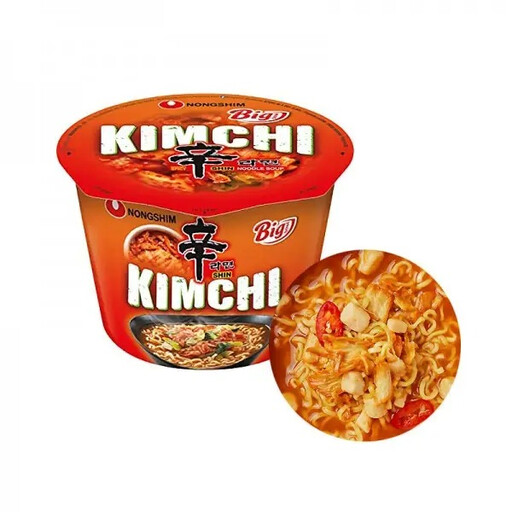
Nongshim Bowl Noodle (Kimchi)
Why This Fits Their Persona: Ideal for those who seek the unmistakable, spicy-sour taste of real Korean kimchi. The heat is present but well-balanced, offering an authentic flavor experience.
Instead of relying solely on powdered flavoring, this product contains dried kimchi flakes, according to the manufacturer, which rehydrate in the broth to provide a more authentic texture and depth of flavor.
The noodles, typical of Nongshim, are chewy and elastic. They retain their bite even after preparation and don't become mushy.
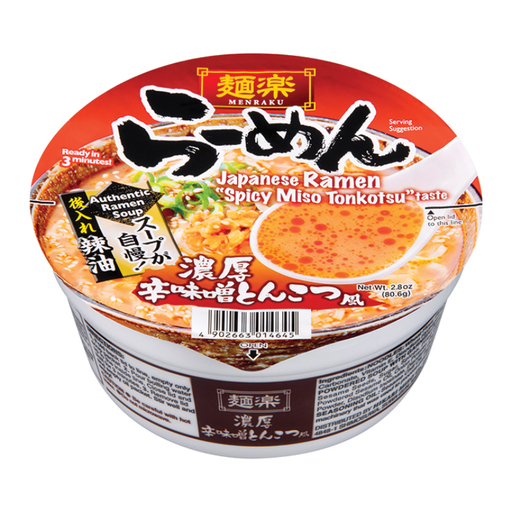
Hikari Miso Menraku Cup Ramen Spicy Miso Tonkotsu Taste
Why This Fits Their Persona: Perfect for discerning palates looking for a multi-layered flavor experience. The combination of creamy tonkotsu broth, fermented miso, and spicy chili oil creates a depth that goes beyond simple instant noodles.
This product uses air-dried, non-fried noodles. This bypasses the "texture trap" and achieves a chewy consistency reminiscent of noodles from a ramen restaurant.
The addition of roasted garlic and sesame seeds provides extra texture and a well-rounded, complex umami experience.
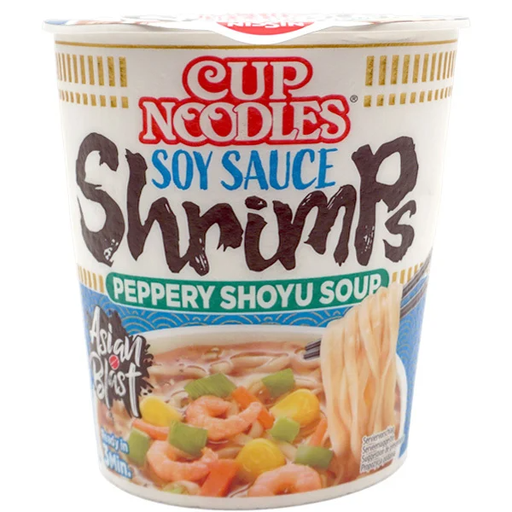
NISSIN Instant Noodles Cup Soy Sauce Shrimp Flavour
Why This Fits Their Persona: For professionals who need a quick, uncomplicated, yet tasty meal for their lunch break. The cup format is designed for maximum efficiency—no extra dishes required.
Instead of relying only on powder, this product contains real pieces of shrimp, corn, carrots, and spring onions, according to the manufacturer. This makes for a more balanced meal and a more appealing look.
Preparation takes only 3 minutes. The classic shoyu broth with a peppery note is a time-tested flavor that appeals to a broad audience.
Looking for More Options?
We've compiled a complete, up-to-date list of products that fully meet these strict selection criteria.
Frequently Asked Questions (FAQ)
How can I upgrade my instant noodles?
An easy way to enhance your instant noodle soup is by adding fresh ingredients. A soft-boiled egg, sliced spring onions, a sheet of nori seaweed, or some corn can significantly boost flavor and nutritional value. Leftover cooked meat or tofu also works well.
What's the main difference between noodle types?
The type of noodle significantly influences the eating experience. Ramen are typically thin, elastic wheat noodles. Udon noodles are also made from wheat but are noticeably thicker and softer. Knife-cut noodles (Dao Xiao Mian) are wide, irregularly shaped, and have a particularly chewy, rustic texture.
Are all spicy instant noodles the same?
No, the type of spiciness varies greatly. Some products, often labeled "Mala," use Szechuan peppercorns, which leave a characteristic, numbing tingle on the tongue. Others, like Kimchi Ramen, get their heat from fermented chili (Gochujang), which gives them an additional sour and complex note. Still others rely on the direct heat of chili powder.