
Highlighter Buyer's Guide: Invest Wisely
By the Joybuy Product Recommendation OfficerLast updated: July 28, 2026
A good highlighter can be the difference between structured learning and a chaotic mess of colour. But buying one is often more complicated than it seems. Many products promise vibrant colours and precise lines, only to fail at critical hurdles in practice. Before you invest in another set that could ruin your documents, it's essential to understand the common pitfalls.
The Most Common Problems When Choosing Highlighters
It's always disappointing when a new highlighter doesn't live up to expectations. Three problems are particularly common and lead to wasted money:
- Ink Bleed-Through: Perhaps the biggest annoyance is finding a no-bleed highlighter. Many conventional water-based highlighters soak deep into thin paper, like the kind used in textbooks, legal documents, or notebooks. The result: the back of the page becomes illegible, and the highlight looks messy.
- Smudging Printer Ink and Handwriting: The wrong highlighter ink can smear everything into an illegible mess, especially on freshly printed lecture notes from an inkjet printer or notes written with gel and rollerball pens. This makes colour-coding your information impossible.
- Drying Out Quickly and Uneven Ink Flow: Forget the cap once, and the pen is useless. Cheaper models often dry out within a few hours. They also tend to have a blotchy ink flow, releasing too much ink at the beginning and end of a stroke.
What Really Matters: Key Parameters for the Right Purchase
To avoid these issues, let objective product features—not marketing promises—guide your decision. Three parameters are crucial for selecting the right highlighter.
1. Ink Type: Water, Gel, or Pigment?
The ink's composition is the primary factor determining the pen's performance on paper.
- Water-Based Ink: This is the standard for most highlighters. It's typically affordable and available in many colours. However, it tends to bleed through on thin paper (under 80 g/m?). Models labelled "INKJET SAFE" contain additives that reduce smudging on inkjet printouts.
- Gel-Based Ink: These waxy or gel-like sticks are an excellent solution to the bleed-through problem. Because they apply a solid layer of colour to the paper instead of releasing liquid ink, even the thinnest pages remain clean. The Staedtler Textsurfer Gel is a well-known example.
- Pigment Ink: Often found in artist pens like the Faber-Castell Highlighter from the Albrecht Dürer series, this ink is highly pigmented and lightfast. It is water-soluble, allowing for creative effects, but often performs better on standard paper than simple water-based inks.
2. The Tip: Chisel, Bullet, or Brush?
The shape of the tip defines the pen's intended use.
- Chisel Tip: The classic choice. By holding the pen at different angles, it allows for various line widths (typically 1 mm to 5 mm). Ideal for highlighting entire passages of text and for fine underlining.
- Bullet Tip: This tip produces a consistent line width. It's less suited for broad highlighting but is excellent for precise underlining, notes, and creative work in a bullet journal.
- Brush Tip: This flexible tip allows for variable line widths depending on the pressure applied and is especially popular with creatives for hand lettering and illustrations.
3. The Colour: Classic Neons or Subtle Pastels?
While classic neon colours offer maximum impact, a trend towards softer shades has emerged in recent years. A pastel highlighter is often easier on the eyes during long study sessions and looks more aesthetically pleasing in notes and planners. A good highlighter set today often includes a mix of both to provide the right colour for any purpose.
Selected for Your Needs
Based on these criteria, we have identified several products that offer a well-designed solution for specific use cases.
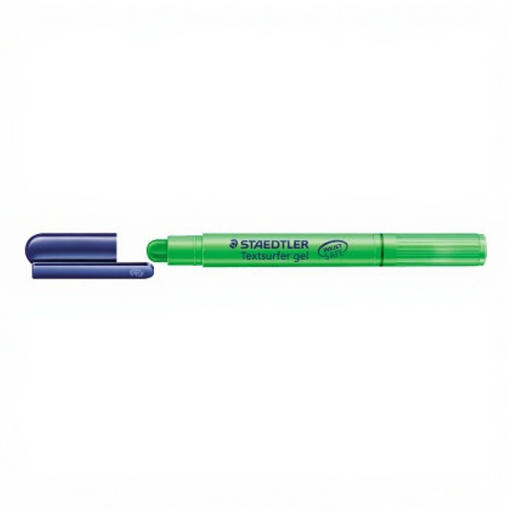
STAEDTLER Textsurfer Gel Highlighter - Green
Why This Fits Their Persona: Perfect for highlighting in textbooks, legal codes, or on thin bible paper. The gel consistency glides smoothly over the page without damaging it or showing through on the reverse side.
The waxy gel stick releases no liquid ink, reliably preventing bleed-through and smudging, even on glossy or very thin paper types.
The "INKJET SAFE" feature ensures that printouts won't smudge. The pen doesn't need sharpening and won't dry out.
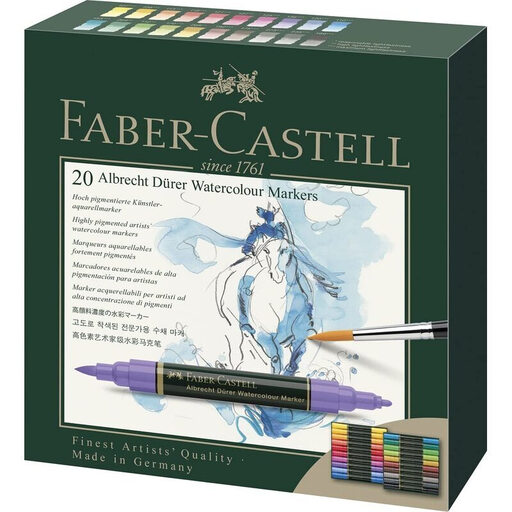
Faber-Castell Watercolour marker A.Dürer 20ct wallet
Why This Fits Their Persona: This set is more than just a highlighter; it's a tool for artistic design, hand lettering, and sophisticated journaling. The 20 colours offer a wide palette for creative projects.
The highly pigmented, water-based ink is optimised for artist paper and won't bleed through. Its high lightfastness prevents colours from fading quickly.
Each pen has two tips: a flexible brush tip for broad, dynamic strokes and a stable fibre tip for precise lines and details. The ink is water-soluble.
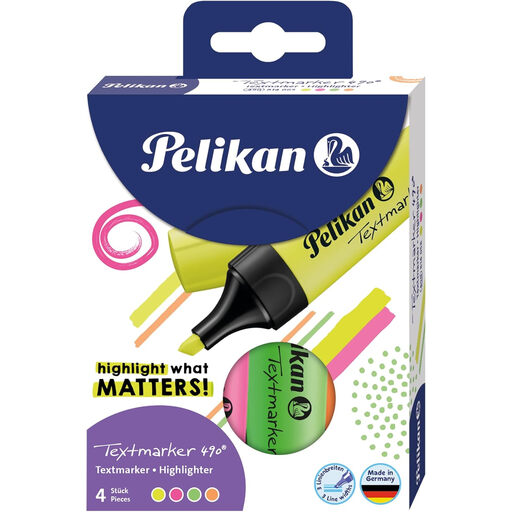
Pelikan Marker 490, 4 Neon Colors, Set of 4
Why This Fits Their Persona: A classic, reliable set for daily office use. The four neon colours are ideal for quickly and clearly structuring documents, reports, and calendar entries.
The proven water-based ink provides consistent brightness without blotching. The quality of the Pelikan brand ensures good performance on standard office paper.
The chisel tip allows for three different line widths (1, 2, and 5 mm), offering great flexibility. The recessed grip ensures ergonomic handling.
Looking for More Options?
We've compiled a complete, up-to-date list of products that fully meet these strict selection criteria.
Frequently Asked Questions (FAQ)
How should I store highlighters correctly to prevent them from drying out?
Most manufacturers recommend storing highlighter pens horizontally. This ensures that the ink flows evenly to the tip and prevents pigments from settling at one end. Most importantly, however, always replace the cap firmly after each use until you hear it click into place.
Which highlighter doesn't bleed through thin paper?
To prevent bleed-through on thin pages, gel-based highlighters are the most reliable choice. Products like the Staedtler Textsurfer Gel leave a dry, waxy layer on the paper instead of releasing liquid ink. Alternatively, you can work with thicker paper (over 90 g/m?), where even high-quality water-based markers cause fewer problems.
Can you refill highlighters?
Yes, some models are refillable, which is both cost-effective and more environmentally friendly. Brands like Staedtler and Pelikan offer refill stations for specific lines (e.g., Staedtler Textsurfer classic 364). When purchasing, check the product description to see if the pen is marked as "refillable".