
Food Storage Containers 2026: A Guide to Selecting the Right Food Containers
Proper food storage is fundamental to an organised kitchen and plays a key role in reducing food waste. Food storage containers and pantry canisters are essential tools for this purpose. Their effectiveness, however, is directly dependent on their material, design, and specific features. This guide breaks down the technical parameters to consider when selecting food containers, empowering you to make an informed choice.
Buying Guide: What to Look for in Kitchen Storage Containers
Choosing the right kitchen storage containers involves weighing material properties, sealing mechanisms, and functional features.
Material Analysis: Glass vs. Plastic
The choice between glass food containers and plastic food containers is a crucial one, impacting hygiene, durability, and versatility.
-
Glass (especially Borosilicate Glass): This material is non-porous, meaning it doesn't absorb odours, flavours, or stains from foods like tomato sauce or curries. It is chemically inert and does not leach substances into the stored food. Borosilicate glass boasts high thermal resistance, making it safe for use in the oven (without the lid), microwave, and freezer. It is also dishwasher-safe for easy cleaning. Its drawbacks include a heavier weight and a higher risk of breaking if dropped.
-
Plastic (BPA-Free): Modern plastic containers labelled as BPA-free use materials like polypropylene (PP) or copolyester. Their main advantage lies in their low weight and high shatter resistance, which makes them ideal for transporting meals (meal prep) or for households with children. They are also often designed for excellent stackability. A potential disadvantage is that some plastics can absorb odours or become stained over time. Micro-scratches from cutlery can compromise hygiene.
Sealing Mechanisms and Airtightness
An airtight lid is crucial to protect food from oxidation and moisture, thus extending its freshness. Common systems include:
- Snap-Lock Lids: Four-sided locking tabs combined with a silicone gasket in the lid provide a superior airtight seal. This design prevents leaks and protects against air exposure.
- Screw-On Lids: Common on round containers and jars, they provide a good seal for dry goods and liquids.
- Press-On Lids: These simpler lids, which lack a dedicated gasket, are not ideal for transporting liquids or for long-term storage. However, they are adequate for short-term refrigeration.
Practical Everyday Features
- Dishwasher-Safe: This feature greatly simplifies cleanup. Always check if both the container and the lid are specified as dishwasher-safe.
- Microwave-Safe: This allows you to reheat meals directly in the container. Typically, the lid should be removed or vented before microwaving to prevent pressure build-up.
- Stackable: A modular, stackable design is highly practical for space-efficient organisation in the refrigerator, freezer, or pantry.
Our Top Picks for Food Storage Containers in 2026
Based on an analysis of technical specifications and practical utility, here are some of our featured models.
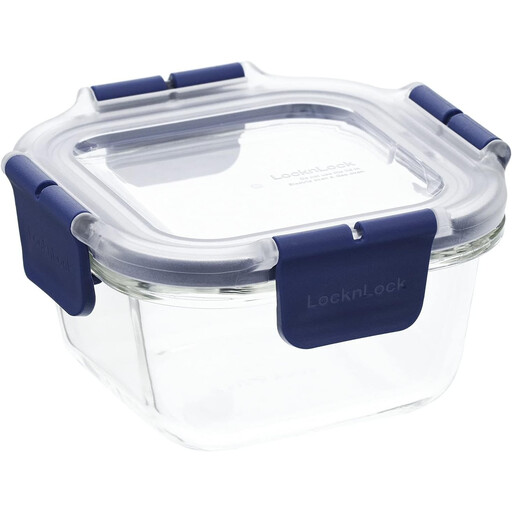
1. Glass Food Container LBG224 (750ml) - 3pcs Set
-
Why We Recommend This Product: This food container set stands out for its use of heat-resistant borosilicate glass. The glass body's specified temperature range of -20°C to 400°C allows for versatile use, from the freezer to the oven (without the lid). The four-sided snap-lock lid with its silicone gasket ensures a reliably airtight seal.
-
Pros:
- Material: Heat-resistant glass body, lid made of copolyester/polypropylene.
- Temperature Range: Glass from -20°C to 400°C, lid from -20°C to 110°C.
- Functionality: Freezer-safe, microwave-safe (without lid), and dishwasher-safe.
- Seal: Four-sided snap-lock for an airtight seal.
-
Best For: Users looking for a hygienic and versatile solution for cooking, storing, and reheating meals. Ideal for meal-preppers and households that value durability and stain resistance.
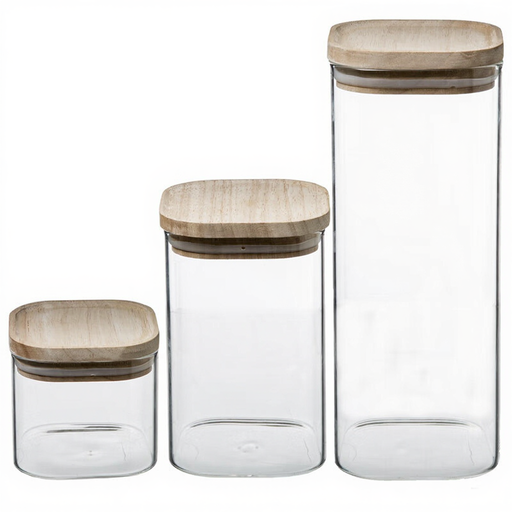
2. Set of 3 Glass & Wood Hermetic Jars
-
Why We Recommend This Product: These pantry canisters combine the functional benefits of borosilicate glass with the aesthetic appeal of Hevea wood lids. The integrated silicone gasket creates a hermetic seal, effectively protecting dry goods like pasta, rice, or coffee from moisture. With a capacity of 1 litre each, they offer a practical size for pantry organisation.
-
Pros:
- Materials: Borosilicate glass body, Hevea wood lid.
- Seal: Hermetic seal via silicone gasket.
- Capacity: 1 litre per jar, dimensions D. 10 x H. 17.3 cm.
- Care: Glass body is dishwasher-safe; wood lids require hand washing.
-
Best For: Those seeking a stylish and functional solution for dry goods storage and who appreciate an elevated aesthetic in their kitchen. Less suitable for liquids or pungent foods due to the maintenance needs of the wooden lid.
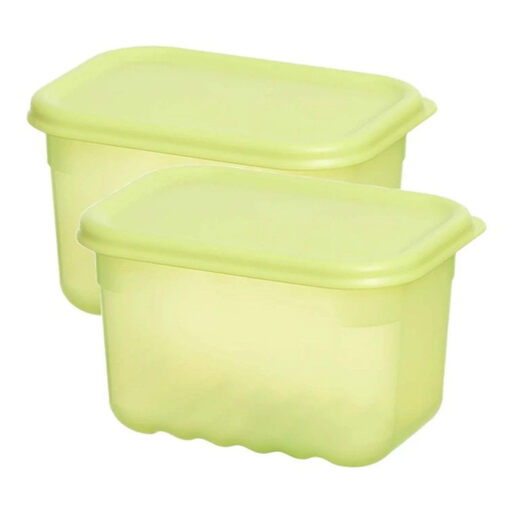
3. LocknLock Fresh Block Storage Jars (640 ml) - 2pcs Set
-
Why We Recommend This Product: This BPA-free plastic set is specifically designed to keep fruits and vegetables fresh for longer. According to the manufacturer, the "Breath Care Fresh Solution" absorbs ethylene gas, which can slow down the ripening process. The extra-thick walls make the container impact-resistant, and its modular design ensures excellent stackability.
-
Pros:
- Material: High-quality, BPA-free plastic, tested for antibacterial properties according to SGS.
- Special Feature: Ethylene absorption for potentially extending the freshness of fruits and vegetables.
- Durability: Impact-resistant, thick-walled construction.
- Versatility: Microwave-safe (without lid), freezer-safe, and dishwasher-safe.
-
Best For: Health-conscious consumers and meal-preppers seeking a lightweight, shatterproof, and stackable solution specifically for storing fresh produce. Particularly practical for on-the-go meals and refrigerator organisation.
Alternatives for Specialised Needs
While the featured containers cover a wide range of use cases, certain foods require specialised storage solutions. For dry baked goods like cookies or biscuits, where protection from moisture is paramount, a dedicated biscuit tin can be a suitable addition.
Frequently Asked Questions (FAQ)
Are glass or plastic food storage containers better?
There's no single best option; the choice depends on your specific needs. Glass is hygienic, temperature-resistant, and doesn't absorb odours, but it is heavier and fragile. Plastic is lightweight, shatterproof, and often highly stackable, but it can stain and is less heat-resistant than borosilicate glass.
What does "BPA-free" mean for storage containers?
BPA-free means the plastic was manufactured without the chemical Bisphenol A. BPA is suspected of having harmful health effects. The "BPA-free" label is therefore an important indicator of food-safe plastic, especially when storing food for children or when heating.
How do you clean food storage containers properly to avoid odours?
Cleaning them immediately after use is the most effective method. Both glass and plastic containers should be washed with warm water and mild dish soap, or placed in the dishwasher. For stubborn odours in plastic containers, it can help to fill them with a mixture of water and vinegar or baking soda and let them sit for a few hours. It's crucial to let the containers, and especially their gaskets, dry completely before sealing and storing them.