
2026 Floor Cleaner Recommendations: A Technical Guide to Choosing the Right Model
Choosing a suitable floor cleaner depends on objective criteria such as floor type, cleaning requirements, and technical specifications. Different technologies, from classic vacuuming to thermal steam cleaning, offer specific advantages and disadvantages for various applications. This guide analyses the key parameters to help you make an informed decision.
Buyer's Guide: What to Look for When Choosing a Floor Cleaner
A systematic evaluation of technical features is the foundation for selecting the right appliance. The following criteria are of central importance.
Analysis of Cleaning Technologies
- Vacuum Cleaners: These devices remove loose dirt, dust, and particles using suction. Efficiency is determined by motor power, nozzle design, and the filtration system. They are suitable for carpets and hard floors. Bagged models securely trap dirt but incur ongoing costs for replacement bags. Bagless systems with cyclonic technology require regular emptying and cleaning of the dustbin.
- Steam Cleaners: These appliances use heated water vapour, applied to surfaces under pressure. The high temperature dissolves grease and stubborn grime without the need for chemical detergents. They are particularly effective on sealed hard floors like tile, laminate, and vinyl, as well as for the deep cleaning of grout and upholstery.
The Importance of Your Flooring Type
The material of your floor is a critical factor. Unsealed wooden floors or delicate materials can be damaged by the high moisture and temperature of a steam cleaner. In these cases, classic hard floor cleaners with suction and specialised brush attachments are preferable. For carpets, high suction power is essential to remove deep-seated dirt and allergens. Specialised carpet cleaners or steam cleaners with a carpet glider attachment can be used for this purpose.
Filtration Systems and Their Importance for Allergy Sufferers
For an allergy-friendly clean, the filtration system is of utmost importance. HEPA (High-Efficiency Particulate Air) filters can capture up to 99.97% of all particles as small as 0.3 microns from the exhaust air. This includes pollen, dust mite droppings, and fine dust. Appliances equipped with such filters help reduce allergens in the ambient air.
A Comparison of Technical Performance Parameters
- Power Consumption (Watts): The Watt rating describes the motor's energy consumption, not necessarily its suction power. Efficient motors can achieve high suction power with a lower wattage.
- Pressure (Bar) and Temperature (°C): For steam cleaners, these are the crucial metrics. Higher pressure (e.g., 4 Bar) ensures the steam is expelled more forcefully, dissolving dirt more effectively. A high temperature (e.g., over 100°C) enhances the sanitising effect on a microbiological level.
Accessories as a Factor for Versatility
A comprehensive set of accessories significantly expands an appliance's range of applications. Nozzles for grout, windows, or upholstery transform a simple floor cleaner into a multifunctional home cleaning device. An upholstery cleaner attachment, for example, is useful for maintaining sofas and car seats.
Our Selection of Home Cleaning Appliances
Based on an analysis of technical specifications and practical benefits, we present two models with different technological focuses.
ASPIRON Steam Cleaner, 1500W, 4 Bar
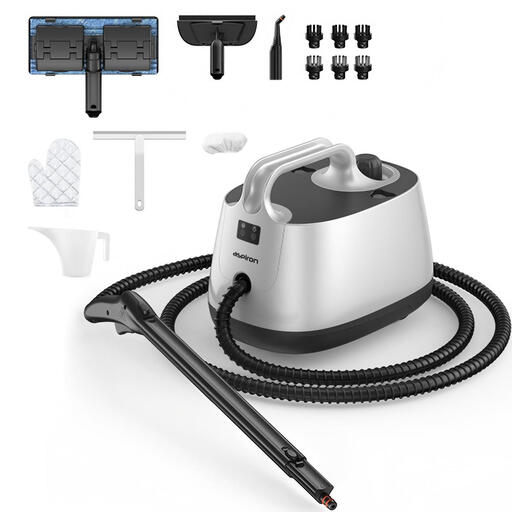
Why We Recommend This Product The ASPIRON Steam Cleaner is a thermal cleaning device that stands out for its performance and versatility. With a power consumption of 1500W, it generates steam at a pressure of up to 4 Bar and a temperature of up to 145°C. This combination enables effective deep cleaning without chemical additives. The 1.5-litre water tank allows for longer cleaning sessions. The included 21-piece accessory kit covers a wide range of applications, from floors and windows to upholstered furniture.
Pros
- Chemical-free cleaning using only hot steam
- High steam pressure of 4 Bar to dissolve stubborn dirt
- Large water tank (1.5 L) for uninterrupted operation
- Comprehensive 21-piece accessory kit for maximum flexibility
- Suitable for various sealed surfaces, including floors, grout, windows, and upholstery
Who It's For This appliance is ideal for users seeking a multifunctional, chemical-free cleaning solution for various household surfaces. It is especially beneficial for families with children or pets, and for cleaning high-traffic areas like kitchens and bathrooms.
Siemens iQ300 VSC3320 Allergy Plus
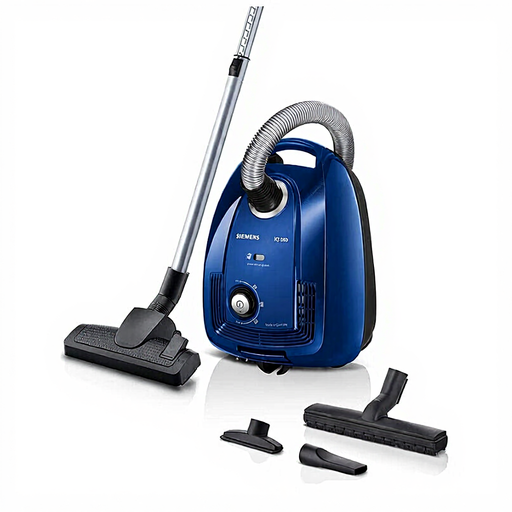
Why We Recommend This Product The Siemens iQ300 VSC3320 is a classic bagged cylinder vacuum cleaner designed specifically for the needs of allergy sufferers. Its filtration system is engineered to efficiently remove allergens from the exhaust air. According to the manufacturer, the powerSecure System ensures that cleaning performance remains consistently high even as the dust bag fills up. With a power consumption of 600W, the appliance operates energy-efficiently. The package includes special nozzles for hard floors, upholstery, and crevices, enhancing its use as a hard floor cleaner and upholstery cleaner.
Pros
- Specialised filtration system for allergy-friendly cleaning
- Consistent suction power thanks to the powerSecure System
- Energy-efficient operation with 600-watt power consumption
- Includes special nozzles for hard floors and upholstery
- Large dust bag capacity reduces the frequency of changes
Who It's For This model is an excellent choice for households with allergy sufferers. It is suitable for users who need reliable and consistently high suction power for cleaning carpets and hard floors, and who value effective exhaust air filtration.
Considering Alternative Flooring Solutions
For users considering a modular and particularly low-maintenance flooring solution, carpet tiles could be an interesting alternative. They allow for the targeted replacement of individual sections in case of heavy or irreparable soiling, which can reduce cleaning and maintenance efforts in the long run.
Frequently Asked Questions (FAQ)
1. What is the functional difference between a steam cleaner and a vacuum mop? A steam cleaner uses hot water vapour to thermally dissolve dirt and grease. It typically does not vacuum up the loosened dirt; this must be wiped away separately with a cloth. A vacuum mop, on the other hand, combines vacuuming loose debris with a mopping function, where water (often with a cleaning solution) is applied to the floor and then suctioned up along with the dirt. The cleaning method is therefore mechanical-chemical rather than thermal.
2. What features are important in a floor cleaner for households with pets? In households with pets, two main factors are crucial: high and consistent suction power to effectively pick up pet hair from various surfaces, especially carpets and upholstery. Secondly, a high-quality filtration system (e.g., HEPA) is important to securely trap pet hair, dander, and other allergens within the device and prevent them from being released back into the air. With steam cleaners, the absence of chemicals is an advantage for pet safety.