
Facial Cleansing Tissues Buyer's Guide
Using reusable towels for facial cleansing is a well-established practice. From a hygiene perspective, however, it poses a challenge: damp textiles can create a breeding ground for bacteria, which can contribute to irritation or blemishes with repeated skin contact. Single-use facial cleansing tissues offer a functional alternative, designed to ensure a clean surface with every use. This article analyses the technical specifications and selection criteria for these products to provide a solid foundation for making an informed choice.
What to Look for When Choosing Facial Cleansing Tissues
The functionality of a facial cleansing tissue is determined by its material properties. The following parameters are relevant for evaluation:
Material Composition
The choice of material influences absorbency, tear resistance, and how it feels on the skin. Common materials include:
- 100% Cotton: This material is known for its high absorbency and soft texture. Cotton towels are often the preferred choice for face towels for sensitive skin as they are naturally gentle.
- Pulp/Rayon Blends: This combination offers high flexibility and tear resistance, even when wet. The fibres are often processed to leave no residue (lint) on the skin.
Texture and Surface Structure
The surface finish of the tissue directly impacts its cleansing performance. A smooth surface is gentler, while a textured surface, such as an embossed pearl pattern, increases the contact area and can mechanically assist in picking up dirt, sebum, and makeup residue.
Thickness and Density
The material thickness, often specified in grams per square metre (g/m?), correlates with absorbency and durability. Thicker tissues can absorb more liquid and are more resistant to tearing, making them particularly suitable as cosmetic wipes for makeup removal when used wet.
Processing and Additives
A high-quality product should be free from chemical additives such as bleach, alcohol, or fragrances. For sensitive or acne-prone skin in particular, a hypoallergenic composition without potential irritants is a crucial criterion. The Spunlace non-woven technology, used in some Japanese cosmetic towels, bonds fibres using high-pressure water jets instead of chemical binders, resulting in a purer final product.
Our Top Facial Cloths
Based on the technical criteria mentioned above, we have compiled a selection of products that meet different requirements for material and functionality.
Ito Facial Cleansing Tissues (60 Sheets)
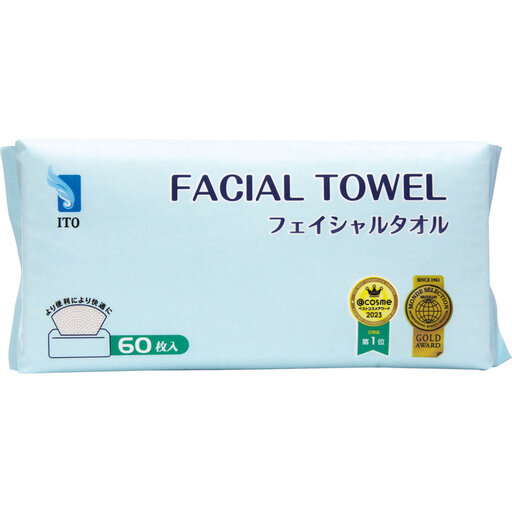
Why we recommend this product: The Ito Facial Cleansing Tissues stand out due to their pulp and rayon material blend and an embossed pearl pattern texture. This combination is designed for high cleansing efficiency. The structure increases the surface area and aids in the mechanical removal of impurities and makeup, while the material remains tear-resistant and lint-free even when wet.
Pros:
- Textured Surface: The pearl pattern increases efficiency in picking up dirt and sebum.
- High Tear Resistance: The pulp and rayon material maintains its integrity even when moistened with water or cleansing lotions.
- Lint-Free: Leaves no fibre residue on the skin.
- Versatile Use: Suitable for both facial cleansing and makeup removal.
Best for: Users looking for a robust and versatile towel for daily cleansing, and especially for thorough makeup removal. The textured surface is ideal for those who prefer an effective yet gentle mechanical cleanse.
Japanese Pull-out Face Towel (Classic) 80 sheets/pack
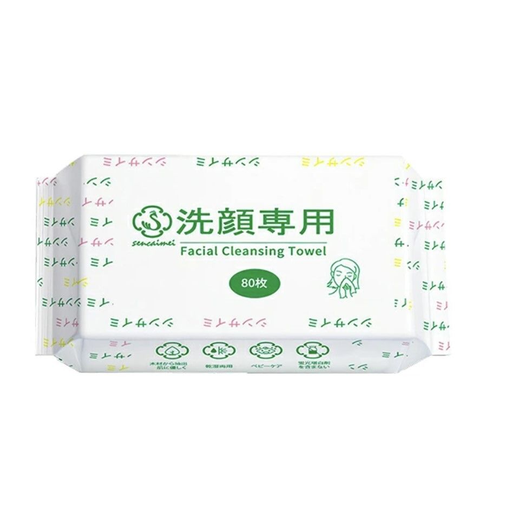
Why we recommend this product: According to the manufacturer, this product is made from 100% cotton non-woven fabric and is produced using Spunlace technology. This method avoids chemical binders, making the towel exceptionally pure and soft. The choice of material and processing aims for maximum skin compatibility.
Pros:
- Material Purity: Made from 100% cotton with no chemical additives.
- Soft Texture: The texture is described as exceptionally gentle, making it suitable for sensitive skin types.
- High Absorbency: Cotton is naturally highly absorbent.
- Spunlace Technology: Reduces the risk of skin irritation by eliminating the need for binders.
Best for: Individuals with very sensitive, reactive, or allergy-prone skin who prioritise a product with minimal ingredients and maximum softness. It is a great alternative to washcloths for daily, gentle cleansing.
Sencaimei Facial Cleansing Towel – Thick Type (60 Sheets)
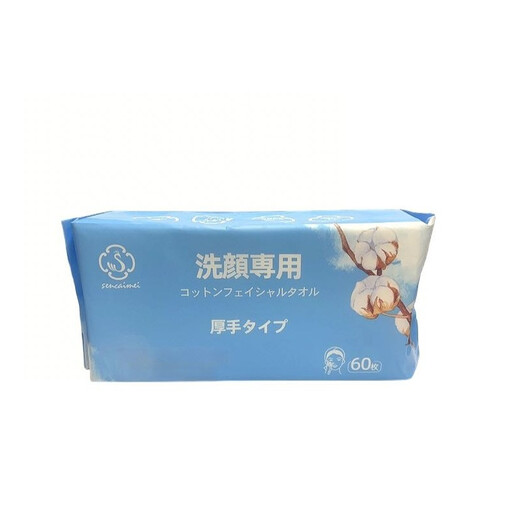
Why we recommend this product: The Sencaimei Facial Cleansing Towel is designed as a "Thick Type," indicating a higher material density and absorbency. According to the manufacturer, it is made from 100% plant-based viscose fibre (also referred to as 100% cotton in the product text, suggesting a plant-based origin) and is free from alcohol, perfume, and bleach. The thick design offers a substantial, towel-like feel.
Pros:
- Increased Thickness: Offers above-average absorbency and durability.
- Pure Composition: Free from common irritants like alcohol and fragrances.
- Wet and Dry Use: The robust structure is suitable for both drying the face and for wet cleansing.
- Hygienic Single-Use Design: Each use involves a fresh towel, which supports hygienic facial care.
Best for: Users who prefer a thicker, more absorbent towel with a cloth-like feel. Ideal for those who want to absorb a large amount of water after washing or use a sturdy towel for wet cleansing.
More Options for Your Skincare Routine
Disposable face towels are a specific tool for optimising skin cleansing. They are part of a more comprehensive approach to skin health that also includes suitable cleansers, serums, and moisturisers. To further complete your skincare routine, you might consider other products. Discover our full range of Hygiene and Personal Care items for comprehensive skincare.
Frequently Asked Questions (FAQ)
1. What is the advantage of disposable face towels over a regular towel? The primary advantage is hygiene. A reusable towel can retain moisture after use, creating a breeding ground for bacteria. With each subsequent use, these bacteria can be transferred back to the skin. A disposable towel ensures that a clean, uncontaminated surface is used for every facial cleanse, minimising the risk of cross-contamination.
2. Can facial cleansing tissues help with acne-prone skin? Facial cleansing tissues cannot cure acne. However, they can be a supportive measure as part of a hygienic facial care routine. By preventing the repeated transfer of bacteria from a damp towel to the skin, they help reduce a potential external irritant that can contribute to the development or worsening of blemishes.
3. Are these towels suitable for makeup removal? Yes, many of these towels are explicitly designed for makeup removal. Their tear resistance when wet and their ability to remain lint-free make them effective. Models with a textured surface can provide additional mechanical assistance in removing makeup. They can be used dry or in combination with a makeup remover or cleansing oil.