
Eye Cream Recommendations 2026: A Technical Guide to Product Selection
The skin in the eye area exhibits unique physiological properties. It is significantly thinner than the skin on the rest of the face and contains fewer sebaceous glands, making it more prone to dryness and external aggressors. The constant mechanical stress from blinking and facial expressions can also accelerate the premature development of lines and wrinkles. A dedicated eye care routine addresses these specific needs with formulations precisely tailored to the demands of this delicate area.
Buyer's Guide: Active Ingredient-Based Selection Criteria for Eye Creams
The selection of a suitable eye cream should be based on an analysis of its ingredients and their functional properties. Different categories of active ingredients target specific concerns.
Actives for Hydration and Skin Barrier Support
Adequate hydration is fundamental for a healthy-looking eye area. Dehydration lines can be diminished through improved moisture levels.
- Hyaluronic Acid: This molecule is renowned for its ability to bind multiple times its own weight in water. An eye cream with hyaluronic acid can intensely hydrate the skin, contributing to a plumper, smoother appearance.
- Ceramides: As lipids naturally found in the skin, ceramides are a fundamental component of the skin barrier. They help prevent moisture loss and protect the skin from external irritants.
- Squalane: A lightweight, non-comedogenic oil that mimics the skin's natural sebum. It provides moisture and improves elasticity without leaving a greasy film.
Actives for Visible Signs of Ageing
For a firming eye cream or an anti-wrinkle eye cream, ingredients that work at a cellular level are key.
- Retinoids (e.g., Retinol): These vitamin A derivatives are known to support cell turnover and stimulate collagen synthesis. They can improve the appearance of fine lines, wrinkles, and skin texture. Due to their potency, a gradual introduction into your routine is recommended.
- Peptides: Short chains of amino acids that act as building blocks for proteins like collagen and elastin. Certain peptides can signal the skin to produce more collagen, which can lead to improved firmness and elasticity.
- Bakuchiol: A plant-based ingredient that exhibits functional similarities to retinol but is often perceived as being better tolerated. It is an excellent option for individuals with sensitive skin.
Actives for Dark Circles and Puffiness
An eye cream for dark circles and puffiness typically contains ingredients that stimulate microcirculation or have brightening properties.
- Caffeine: When applied topically, caffeine can have a temporary vasoconstrictive (blood vessel-narrowing) effect. This can help reduce the appearance of puffiness and dark shadows caused by dilated blood vessels.
- Vitamin C: An antioxidant that can protect the skin from free radicals. It also inhibits melanin production, which can help brighten dark discolourations.
- Niacinamide (Vitamin B3): This active ingredient can strengthen the skin barrier, soothe the skin, and, with regular use, diminish the appearance of hyperpigmentation.
Our Top Picks for 2026
The following products have been selected for their specific active ingredient combinations and formulations, designed to address a variety of eye area concerns.
Murad Renewing Eye Cream 15 ml
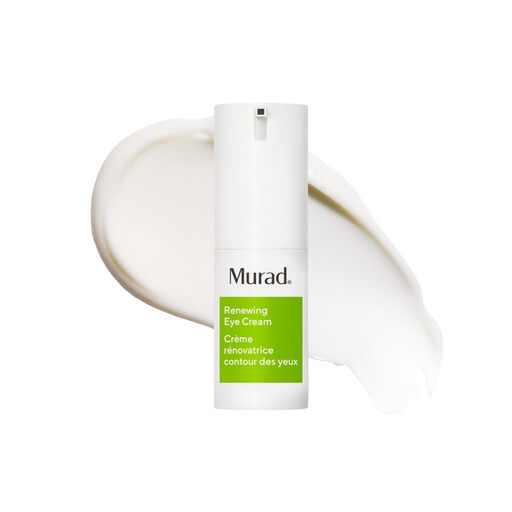
- Why we recommend it: This cream combines multiple active ingredient categories into a single formulation. It contains Retinol and Peptides to address signs of ageing, along with a specific complex that targets the appearance of dark circles and puffiness. Its rich texture provides intensive nourishment.
- Benefits:
- Multi-action formula for wrinkles, loss of firmness, and dark circles.
- Contains Retinol and Peptides to support the collagen structure.
- Formulated to improve skin elasticity and provide intense hydration.
- Best for: Users seeking a comprehensive anti-ageing eye cream to simultaneously treat multiple concerns such as medium-to-deep wrinkles, loss of elasticity, and dark circles.
Skin1004 Madagascar Centella Probiocica Bakuchiol Eye Cream 20 ml
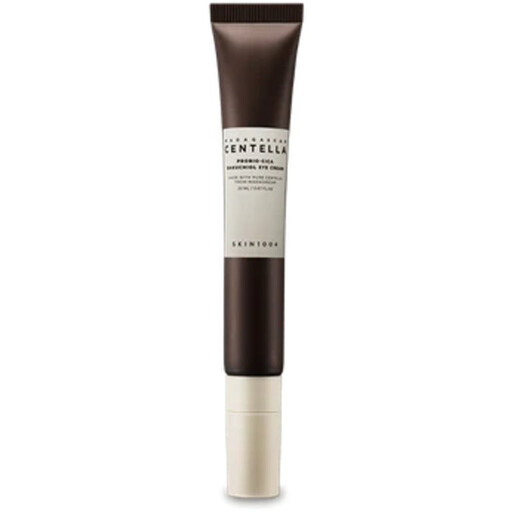
- Why we recommend it: This product features Bakuchiol as a plant-based retinol alternative, combined with fermented Centella Asiatica from Madagascar. This combination aims to diminish the appearance of fine lines while intensely soothing and nourishing the skin.
- Benefits:
- Features Bakuchiol, an option for users who wish to avoid retinoids.
- Formulated with probiotic Cica extract to soothe and nourish the skin.
- Lightweight, fast-absorbing, non-sticky texture.
- Best for: Individuals with sensitive skin or those new to anti-ageing care who are looking for a gentle yet effective anti-wrinkle eye cream.
Mario Badescu Caffeine Eye Cream 14 g
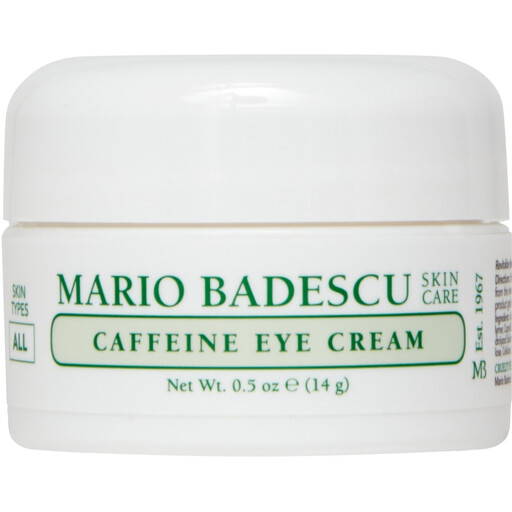
- Why we recommend it: The formulation is specifically designed to reduce signs of fatigue, such as puffiness and under-eye bags. The primary active, Caffeine, is combined with hydrating components like Squalane and Sodium Hyaluronate to simultaneously moisturise and smooth the skin.
- Benefits:
- Targeted formula with Caffeine to visibly reduce puffiness.
- Lightweight, non-greasy texture that absorbs quickly and creates a smooth base for makeup.
- Delivers a hydrating eye cream effect thanks to Sodium Hyaluronate.
- Best for: Users whose primary concerns are tired-looking eyes, puffiness, and under-eye bags. It is especially suitable for morning use to promote a more awake and refreshed appearance.
Alternative Textures: A Look at Eye Gels
While creams offer rich nourishment, gels provide a lighter alternative. They often absorb more quickly and leave a refreshing, cooling sensation. For users with oily skin or those who prefer a less heavy texture for daytime use, an eye gel can be a suitable alternative or a complementary addition to their skincare routine.
Frequently Asked Questions (FAQ)
1. How should eye cream be applied correctly? A rice-sized amount per eye is sufficient. Apply the product using your ring finger, as it exerts the least amount of pressure. Gently tap the cream along the orbital bone (the bone socket of the eye) from the inner to the outer corner until it is fully absorbed. Avoid pulling or rubbing the delicate skin.
2. Can I use my regular face cream for the eye area? This is generally not recommended. Face creams may contain fragrances or higher concentrations of active ingredients that can irritate the thin, sensitive skin around the eyes. Dedicated eye creams are ophthalmologically tested and formulated for the specific needs and tolerance of this area.
3. At what age should I start using an eye cream? The need for an eye cream depends less on chronological age and more on your skin's condition. The body's natural collagen production begins to slow down in the mid-20s. Starting with a preventative, hydrating eye care product at this stage can be beneficial to strengthen the skin barrier and prevent the first signs of dehydration lines.