
How to Identify Premium Red Kidney Beans
Red kidney beans are an essential ingredient in many kitchens. Whether for a hearty chili, a nutritious salad, or a warming stew—their creamy texture and rich flavour make them a versatile choice. But buying dried kidney beans isn't always as straightforward as it seems. If you're not careful, it's easy to grab the wrong product or end up with a quality that compromises your final dish.
As your Joybuy Product Recommendation Officer, I'll help you navigate the common pitfalls. We'll focus on the objective characteristics that truly matter, so you can make an informed decision.
The 2 Most Common Mistakes When Buying Red Beans
- Confusing them with other bean varieties: The term "red beans" is often used inconsistently. Many shoppers accidentally pick up adzuki beans, which are smaller and sweeter. However, they are unsuitable for a classic kidney bean chili because they have a different texture and cook much faster. The result is a mushy stew instead of a dish with firm, toothsome beans.
- Ignoring age and quality: While dried beans have a long shelf life, it's not infinite. Very old beans require extremely long cooking times and often fail to soften properly. Check the package for broken pieces, cracks, or discolouration. These are signs of a low-quality batch that will cook unevenly and has lost its flavour.
What Really Matters When Making Your Selection
To avoid disappointment, you should check two key aspects before you buy red beans. These parameters determine the texture, flavour, and success of your cooking.
1. Bean Variety and Appearance
The most important distinction is between true kidney beans (Phaseolus vulgaris) and other types of red beans. You can identify true kidney beans by their characteristic, kidney-like shape. They are larger and more elongated than the rounder adzuki beans.
When buying, look for these quality indicators:
- Uniform colour: The beans should have a consistent, deep red colour without many pale or dark spots.
- Whole beans: The proportion of broken beans or shell fragments should be minimal. Whole beans cook more evenly.
- Smooth surface: A shrivelled or cracked skin can indicate an old or poorly stored harvest.
2. Proper Preparation and Nutritional Value
Red kidney beans are rich in plant-based protein and fibre, which makes the kidney bean nutritional profile particularly valuable for a balanced diet. However, in their raw state, they contain phytohaemagglutinin, a lectin that is toxic. Proper preparation is therefore essential.
The process involves two steps:
- Soaking the beans: Soak the dried beans in plenty of cold water for at least 8–12 hours, preferably overnight. The soaking water should be discarded afterwards, as it already contains some of the toxin.
- Cooking: Rinse the beans and cook them in fresh water at a rolling boil for at least 10 minutes. Then, reduce the heat and let them simmer for 60–90 minutes, depending on their age and size, until they are soft.
Only this process will completely neutralise the toxin, making the beans safe and digestible.
Top Culinary Tool Picks
Here are three recommendations for dried red kidney beans that are well-suited for different culinary preferences and requirements.
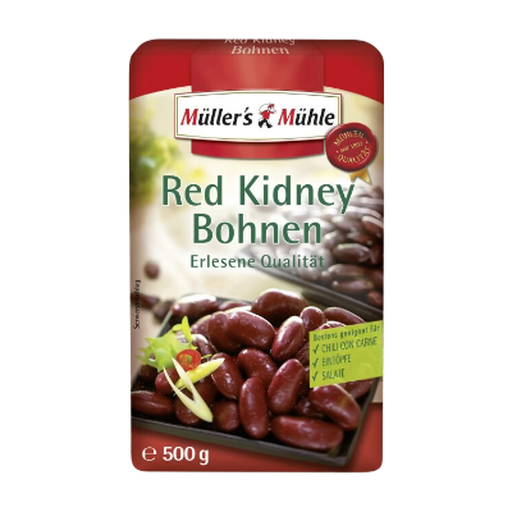
Müller's Mühle Red Kidney Beans 500 g
Why it's a good fit: Müller's Mühle is an established German brand known for reliable quality in staple foods. It's ideal for classic German stews and dishes where a trusted ingredient is essential.
The clear "Red Kidney Beans" label on the packaging eliminates any confusion with other red bean varieties from the outset.
The 500g package is a practical size for family meals or for stocking the pantry. The beans are known for their consistent quality and excellent cooking properties.
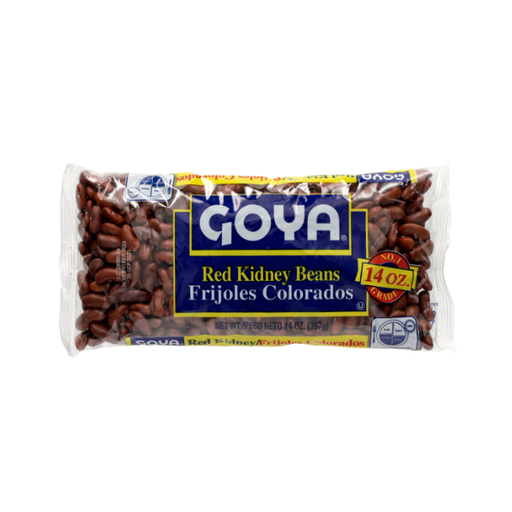
GOYA Red Kidney Beans (Dry) 397g
Why it's a good fit: GOYA is a leading brand in Latin American foods. If you want to prepare an authentic chili con carne or other dishes from the region, these beans are the right choice.
As a specialist in authentic ingredients, GOYA ensures you get the exact bean variety intended for traditional recipes, delivering the desired texture.
These beans hold their shape and a pleasantly firm, creamy texture even after long cooking, making them ideal for stews and braises.
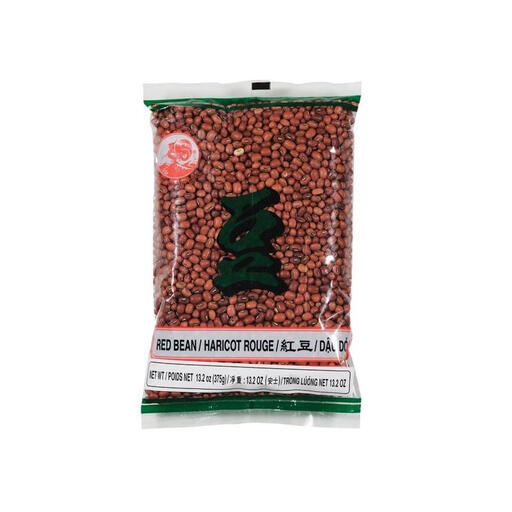
Cock Brand Red Bean 400g
Why it's a good fit: Cock Brand is known for a wide range of Asian food products and offers reliable quality. These beans are a solid all-rounder for the pantry.
The product description explicitly confirms they are "Red Kidney Beans (100%)," providing clarity and preventing mistaken purchases.
Good value for money and versatility make these beans a practical and economical choice for regular use.
Looking for more options?
We've compiled a complete, up-to-date list of products that meet these strict selection criteria.
Frequently Asked Questions
1. How long do you need to soak dried kidney beans?
The recommended soaking time for dried kidney beans is at least 8 hours, ideally overnight (about 12 hours). Soaking them longer won't hurt, but the water should be changed after 24 hours at the latest. Soaking not only shortens the cooking time but also begins the process of neutralising the toxins.
2. Are raw kidney beans toxic?
Yes, raw or insufficiently cooked kidney beans contain phytohaemagglutinin (a lectin) which can cause gastrointestinal illness. It is imperative to boil the beans vigorously for at least 10 minutes after soaking and then cook them completely at a lower temperature. Never consume kidney beans raw or only sprouted.
3. What is the difference between kidney beans and other red beans?
"Kidney bean" refers to a specific variety (Phaseolus vulgaris) with a characteristic kidney shape and a firm, mealy texture after cooking. The general term "red beans" can also include other varieties like the smaller, sweeter adzuki beans (Vigna angularis), which are often used in Asian desserts. For savoury dishes like chili, the kidney bean is the classic choice.