
Pod Coffee Machine 2026: A Technical Guide to Making the Right Choice
Selecting a single-serve coffee maker is based on an analysis of specific technical parameters and individual use cases. Whether it's a capsule machine, a coffee pad machine, or a multi-format system, the decision depends on factors like system compatibility, brewing pressure, machine size, and feature set. This guide provides an objective comparison of various models to help you make an informed purchasing decision.
Buyer's Guide: What to Look for in a Single-Serve Coffee Maker
A machine's performance and suitability can be evaluated based on measurable criteria. The following aspects are relevant for your selection.
1. System Compatibility: Capsule, Pad, or Multi-System
The most fundamental decision concerns the single-serve system you choose. Each system has specific technical characteristics.
- Capsule Systems: These typically use aluminium or plastic capsules. Systems like Nespresso operate at high pressure (typically 15-19 bar), which is necessary for preparing espresso with a stable crema. Some machines are Nespresso compatible, while others require proprietary capsules.
- Pad Systems: Coffee pads are made of filter paper and contain loosely packed coffee grounds. Systems like Senseo operate at a lower pressure (approx. 1-2 bar), which is ideal for a café crema but does not produce a classic espresso.
- Multi-Format Systems: These machines offer the highest flexibility through interchangeable adapters. They can process various capsule formats (e.g., Nespresso, Dolce Gusto), pads, and sometimes even loose coffee grounds.
2. Brewing Pressure (bar)
Pressure is a crucial factor for the flavour profile.
- 15–19 bar: This high pressure is the standard for a capsule espresso machine. It forces water quickly through the finely ground coffee, resulting in intense extraction and the formation of a dense crema.
- 1–3 bar: This lower pressure is characteristic of coffee pad machines. The result is similar to a filter coffee or café crema, with a lighter crema and a milder flavour profile.
3. Water Tank Volume and Dimensions
For a single-cup coffee maker in one-person households or offices with limited space, compact dimensions and a water tank volume between 0.6 and 1.0 litres are often sufficient. This allows for the preparation of several cups without constant refilling, while the machine maintains a small footprint.
4. Additional Features and Operation
Modern machines offer features that enhance user convenience and energy efficiency:
- Coffee Strength Selection: Allows you to adjust the amount of water for a milder or stronger result.
- Hot/Cold Mode: Some machines can also prepare cold beverages.
- Automatic Shut-off: Reduces energy consumption by switching the device to standby mode after a defined period of inactivity.
- Heat-up Time: A short heat-up time of under 30 seconds increases everyday efficiency.
Our Selection of Single-Serve Coffee Makers for 2026
Based on the technical criteria mentioned above, we present three models with different specialisations.
Philips Senseo Original Plus CSA210/50 Coffee Pad Machine
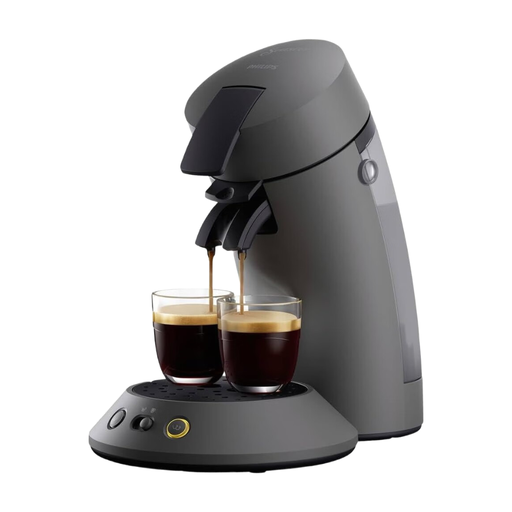
Why We Recommend This Product The Senseo Original Plus is a specialised coffee pad machine designed for efficiency and ease of use. Its core technologies, Coffee Boost and Crema Plus, aim for optimised flavour distribution and a fine-pored crema, making it a solid choice within the pad segment.
Pros
- Coffee Boost Technology: 45 aroma nozzles distribute water evenly over the pad for a fuller flavour extraction.
- Coffee Strength Selection: A slider allows for easy selection between a mild and a strong coffee.
- Prepares 2 Cups Simultaneously: Efficient for two-person households.
- Instant Start & Auto Shut-off: The machine is ready to brew immediately after heating up and switches off after the brewing process.
- Easy Cleaning: Removable parts like the pad holder and drip tray are dishwasher-safe.
Who It's For This model is suitable for users who prefer the Senseo pad system and value the quick, straightforward preparation of café crema. It's a pragmatic solution for daily coffee needs without the expectation of true espresso.
View Product: Philips Senseo Original Plus
Philips L'Or Barista Sublime LM9012/23
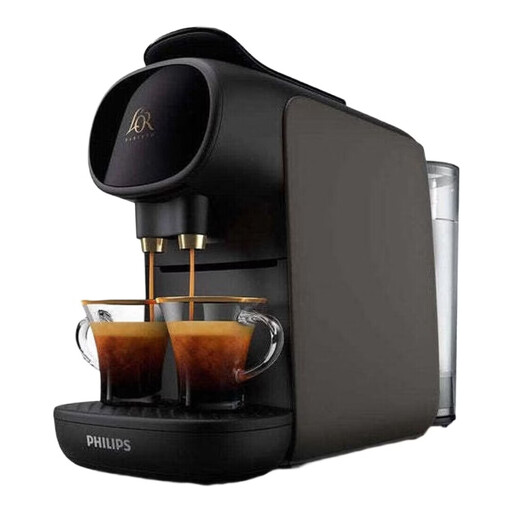
Why We Recommend This Product The L'Or Barista Sublime is a capsule espresso machine that operates with a pump pressure of up to 19 bar. Its standout feature is the ability to prepare both single and double espressos using special XXL capsules. Compatibility with Nespresso capsules expands its system versatility.
Pros
- High Brewing Pressure: The 19 bar pressure allows for the preparation of espresso with a dense crema.
- Double Espresso Function: Can brew two espressos at once or a double espresso into a single cup.
- Broad Capsule Compatibility: Recognises L'Or Barista double and L'Or Espresso single capsules, as well as Nespresso capsules.
- Large Water Tank: The 1.0-litre volume reduces the frequency of refills.
- Compact Design: With a width of just 15 cm, the machine fits even in smaller kitchens.
Who It's For This machine is aimed at users who primarily drink espresso and lungo from capsules and who appreciate the flexibility of using both Nespresso-compatible capsules and having the option for a double espresso.
View Product: Philips L'Or Barista Sublime
HiBREW H1B 6-in-1 Pods Coffee Maker
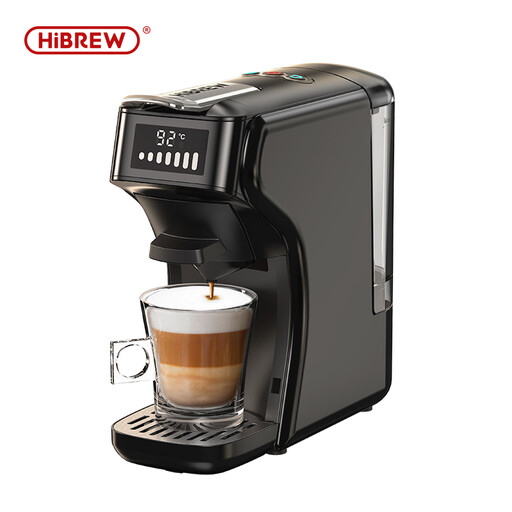
Why We Recommend This Product The HiBREW H1B is a multi-format solution that offers maximum flexibility. With adapters for various capsule systems (Nespresso, Dolce Gusto, K-Cup), E.S.E. pads, and ground coffee, it covers nearly every need in the single-serve coffee space. The high pump pressure of up to 19 bar also qualifies it for espresso preparation.
Pros
- 6-in-1 Compatibility: Processes a wide variety of capsule and pad formats, as well as ground coffee.
- High Extraction Pressure: The 19 bar pressure ensures a rich crema when preparing espresso.
- Cold and Hot Mode: Allows for the preparation of both hot and cold coffee beverages.
- Compact Build: The machine is space-saving and suitable for kitchens, offices, or as a single-cup coffee maker.
- Simple Operation: Preparation is handled via simple controls with LED indicators.
Who It's For Ideal for users who don't want to commit to a single system and who value the freedom to try different types and brands of coffee. The machine is an all-in-one solution for households or offices with diverse preferences.
View Product: HiBREW H1B 6-in-1
Considering Alternatives: When a Bean-to-Cup Machine Makes Sense
Single-serve coffee makers are designed for speed and consistency with pre-defined quantities. However, if processing fresh beans, a wider variety of drinks including milk specialities, and individual adjustment of grind size and coffee strength are your priorities, another category of machine may be more advantageous. For these requirements, an analysis of the Bean-to-Cup Coffee Machine category is recommended.
Frequently Asked Questions (FAQ)
1. What is the technical difference between a capsule machine and a pad machine? The main difference lies in the brewing pressure and the capsule/pad material. A capsule machine typically uses sealed plastic or aluminium capsules and high pressure (15-19 bar) for espresso extraction. A coffee pad machine uses porous paper pads and low pressure (approx. 1-3 bar), resulting in a coffee similar to a café crema or filter coffee.
2. Can you use any capsule in any machine? No. Compatibility is system-dependent. While there are open standards like "Nespresso compatible," which are supported by many third-party manufacturers, other brands like Dolce Gusto or Tassimo use proprietary capsule shapes that only work in their respective machines. Multi-format machines like the HiBREW H1B bypass this limitation with interchangeable adapters.
3. How high should the pressure be for a capsule espresso machine? To prepare an authentic espresso with a stable crema, a pump pressure of at least 9 bar at the brew head is required. Most commercially available capsule machines for home use advertise a pump pressure of 15 to 19 bar to ensure this target pressure is met, even under load.