
Cleaver Recommendations: A Guide to Choosing the Right One
A high-quality cleaver is a versatile kitchen tool that does far more than just break down meat. From preparing vegetables to mincing herbs, the right knife can significantly streamline your workflow. However, the selection is vast, and the technical specifications can be overwhelming. This article serves as a guide, presenting objective criteria and a curated selection of models to help you find the perfect cleaver for your needs.
What to Look for When Choosing a Cleaver
To make an informed decision, a few technical features are of central importance. The following points provide an overview of the most critical characteristics.
1. Blade Material and Hardness
A knife's performance is largely determined by the steel used. There are two main categories commonly found:
- German Steel: Steel grades like 1.4116 (X50CrMoV15) are known for their durability and corrosion resistance. They typically achieve a Rockwell hardness (HRC) of 53–58. This balance makes them resistant to chipping and relatively easy to resharpen.
- Japanese Steel: Steels such as 7Cr17MoV often have a higher carbon content, which allows for greater hardness (often 58 HRC and above). This results in an extremely sharp edge and excellent edge retention. However, such blades can be more brittle and require more careful handling and precise sharpening techniques.
2. Construction: Forged vs. Stamped?
The manufacturing method has a direct impact on balance, durability, and handling. A forged knife is heated and shaped from a single piece of steel. It is characterized by the bolster (the thick junction between the blade and handle), which acts as a finger guard and ensures balanced weight distribution. Many professional kitchen knives are forged, as this construction is considered exceptionally stable and durable. Stamped knives are cut from a sheet of steel, which generally makes them lighter and more affordable.
3. Shape and Weight: Meat Cleaver vs. Chinese Chef's Knife
Although they are often grouped under the general term "cleaver," there are functional differences:
- Meat Cleaver: This tool is heavy and has a thick, robust blade. It is specifically designed to cut through bone and cartilage. Its substantial weight generates the necessary force for heavy-duty tasks.
- Chinese Chef's Knife: Despite its rectangular shape, this is an all-purpose knife. The blade is thinner and lighter than that of a meat cleaver. It is excellent for slicing, dicing, and chopping a knife for meat and vegetables, as well as for transferring chopped ingredients on its wide blade surface.
Top Cleaver Picks to Consider
Here is a selection of models that stand out for their specific material and construction properties.
Victorinox Grand Maitre Chopper/Cleaver, 15 cm
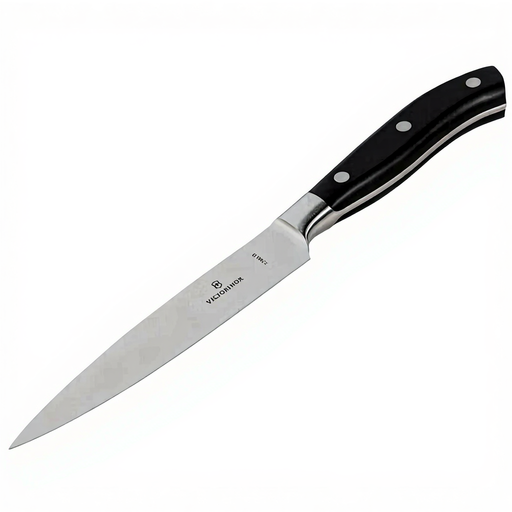
What Makes This Model Stand Out The Victorinox Grand Maitre Chopper/Cleaver is an example of classic European knife-making artistry. The forged blade, crafted from a single piece of steel, transitions seamlessly into the handle, providing excellent balance and stability. The bolster offers additional safety during use. With a 15 cm blade length, it is compact enough for precise work yet robust enough for demanding tasks.
-
Advantages:
- Fully forged blade for superior stability and balance.
- Seamless transition from blade to handle for hygiene and durability.
- Handle made of Polyoxymethylene (POM), known for its dimensional stability and resilience.
- Dishwasher-safe according to the manufacturer (hand washing is recommended to preserve the blade).
-
Who It's For: Users seeking a versatile, medium-sized cleaver with traditional, forged quality. It is a solid choice for both ambitious home cooks and professional use.
Huohou Slicing Knife in German 1.4116 Stainless Steel
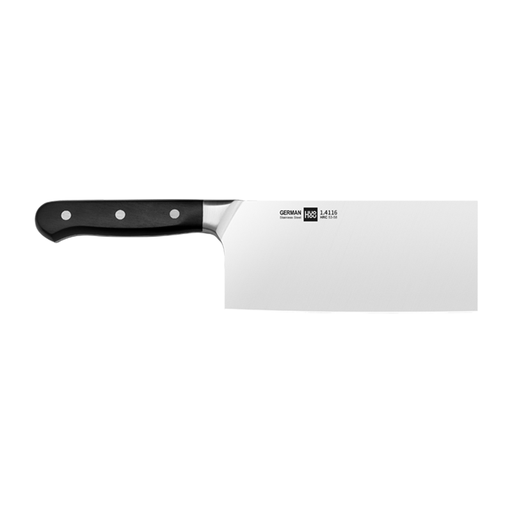
What Makes This Model Stand Out This Chinese chef's knife-style blade focuses on material precision and modern manufacturing. The blade is made from German 1.4116 stainless steel, which is alloyed with chromium, molybdenum, and vanadium to optimize corrosion resistance and toughness. The Rockwell hardness of HRC 53–58 offers a good balance of sharpness and flexibility. A special feature is the seamlessly welded transition between the blade and handle, which prevents the build-up of residue.
-
Advantages:
- Blade made of German 1.4116 stainless steel with a documented composition.
- Defined hardness of HRC 53–58 for good edge retention and easy resharpening.
- Seamless construction for enhanced hygiene and stability.
- Ergonomic ABS handle with three rivets for a secure grip.
-
Who It's For: Cooks looking for a lightweight and versatile cutting tool for vegetables and boneless meat. Ideal for users who value documented material properties, hygiene, and a modern design.
COOKER KING Japanese Forged Cleaver
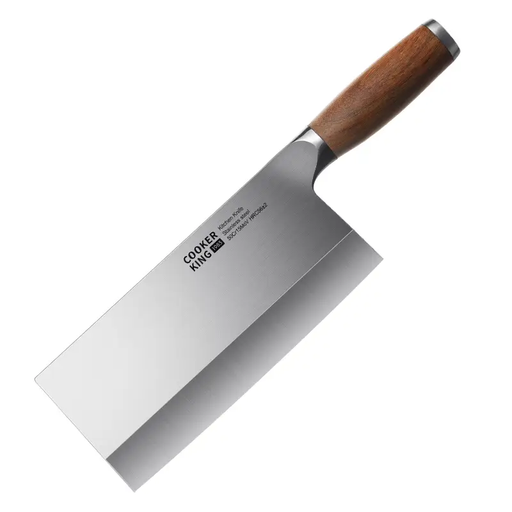
What Makes This Model Stand Out This heavy cleaver combines traditional Japanese forging techniques with robust materials. The blade, made of high-carbon 7Cr17MoV stainless steel, achieves an impressive hardness of 58±2 HRC, promising long-lasting sharpness. The full-tang construction ensures maximum stability and a forward-heavy balance that makes chopping easier. The Pakkawood handle is moisture-resistant and ergonomically shaped.
-
Advantages:
- Blade made of Japanese steel (7Cr17MoV) with high hardness for excellent edge retention.
- Full-tang construction for superior stability and balance.
- Weight-forward design for powerful chopping with less effort.
- Water-resistant Pakkawood handle for comfortable and non-slip handling.
-
Who It's For: Users who need a high-performance meat cleaver for demanding tasks but also appreciate the precision for finer work. It appeals to those who want to combine traditional craftsmanship and high-performance materials.
Discover More Options
The models presented here cover different applications and design philosophies. If you are looking for more specialised knives or desire a wider selection of blade shapes and sizes, you can find more alternatives in our full collection.
For a more comprehensive selection of professional cutting tools, visit our Butcher Knives category.
Frequently Asked Questions
1. What is the difference between a meat cleaver and a Chinese chef's knife? A classic meat cleaver has a heavy, thick blade and is primarily designed for cutting through bone and cartilage. A Chinese chef's knife is lighter, has a thinner blade, and functions as a versatile kitchen knife for slicing, dicing, and chopping vegetables, herbs, and boneless meat.
2. How do I properly care for and sharpen a high-quality cleaver? To maintain sharpness and longevity, it is recommended to hand wash the knife with mild detergent and dry it immediately after each use. Store it in a knife block, on a magnetic strip, or in a blade guard to protect the edge. For sharpening, a honing steel is suitable for daily maintenance, while a whetstone is best for a thorough resharpening, depending on the steel's hardness.
3. Is a forged knife always the better choice? A forged knife, with its bolster and often full-tang construction, typically offers better balance, greater stability, and a longer lifespan. These features make it a preferred choice for a professional kitchen knife. However, high-quality stamped knives can also perform very well for many everyday tasks and are often lighter and more affordable. The choice depends on personal preferences and intended use.