
Facial Cleansing for Oily Skin: An Analysis of Product Features for 2026
Selecting a suitable facial cleanser for oily skin requires an analysis of specific product features and ingredients. Oily skin is characterised by increased sebaceous gland activity, which can lead to a shiny appearance, enlarged pores, and a tendency for blemishes like pimples and blackheads. The goal of an effective cleanse is to remove excess sebum and impurities without compromising the skin's natural acid mantle or causing dryness. Over-stripping the skin can paradoxically trigger even greater sebum production.
Selection Criteria for Oily Skin Cleansers
When evaluating cleansing products, several key factors are important. The formulation, active ingredients, and pH level are crucial for both performance and skin compatibility.
1. Consistency: Cleansing Gel vs. Foaming Cleanser
The texture of a cleanser influences the application experience and how it feels on the skin.
- Cleansing Gel: Gels, such as a cleansing gel for blemish-prone skin, often have a higher concentration of cleansing agents. They can effectively bind to oil and dirt, making them well-suited for removing makeup residue. A mattifying cleansing gel typically includes additional ingredients that reduce skin shine post-cleanse.
- Foaming Cleanser: A foaming cleanser for acne is dispensed from the pump already lathered. Many users perceive its airy texture as particularly gentle. It spreads evenly on the skin and is generally easy to rinse off.
2. Analysis of Key Active Ingredients
The effectiveness of a facial cleansing gel for pimples or any other cleanser depends significantly on its active components.
- Salicylic Acid (BHA): As a beta-hydroxy acid, salicylic acid is fat-soluble (lipophilic). This property allows it to penetrate into the pores to dissolve accumulated sebum and dead skin cells. A cleansing gel with salicylic acid is therefore a logical choice for cleansing to target blackheads and preventing clogged pores.
- Mild Surfactants: Surfactants are responsible for the cleansing action. Harsh sulfates can weaken the skin barrier. Mild surfactants, such as Cocamidopropyl Betaine or Sodium Lauroyl Sarcosinate, provide a thorough yet gentler cleanse.
- Sebum-Regulating and Soothing Additives: Ingredients like Zinc PCA can help regulate sebum production. Panthenol (Pro-vitamin B5) and Allantoin support skin regeneration and have a calming effect, which is beneficial for inflammation-prone skin.
- pH Level: The skin's natural surface pH is in the slightly acidic range (approx. 4.7 to 5.75). A cleanser with a skin-neutral pH of around 5.5 helps to preserve this acid mantle and maintain a balanced skin flora.
Our Product Selection for 2026
Based on the criteria above, we have curated a selection of products whose formulations are ideal for facial cleansing for acne and oily skin.
Isdin Acniben Mattifying Gel Cleanser
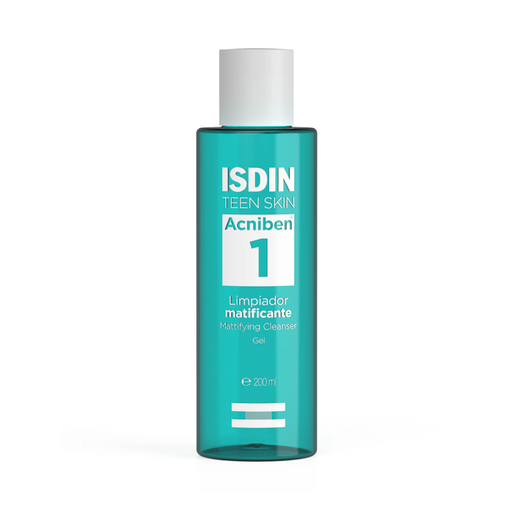
- Why We Recommend This Product: This cleansing gel combines effective cleansing power with a mattifying effect. Its formulation with salicylic acid directly targets the needs of blemish-prone skin by clearing pores of excess sebum.
- Benefits:
- Removes excess sebum and impurities.
- Leaves a matte finish and helps control shine.
- Contains salicylic acid to help prevent blemishes.
- Designed for daily use without drying out the skin.
- Who It's For: Users looking for a straightforward, gel-based cleansing solution with a noticeably mattifying finish for their daily routine.
REAL Barrier Control-T Sebum Control Cleansing Foam
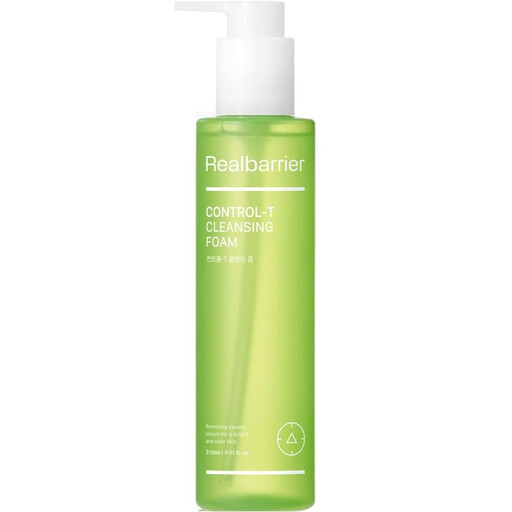
- Why We Recommend This Product: This cleansing foam features a combination of salicylic acid (BHA) for pore purification and the patented MLE Skin Barrier Technology. This technology aims to strengthen the hydrolipidic barrier, which is fundamental for balanced skin function.
- Benefits:
- MLE technology supports the reconstruction of the skin barrier.
- Salicylic acid (BHA) provides gentle exfoliation and clears clogged pores.
- Helps regulate sebum production to reduce skin shine.
- Panthenol and Allantoin have a soothing effect and promote skin regeneration.
- Who It's For: Individuals who prefer a foaming texture and are looking for a cleanser that not only focuses on sebum-regulating cleansing but also actively supports the skin barrier.
sebamed Cleansing Foam for Oily & Impure Skin
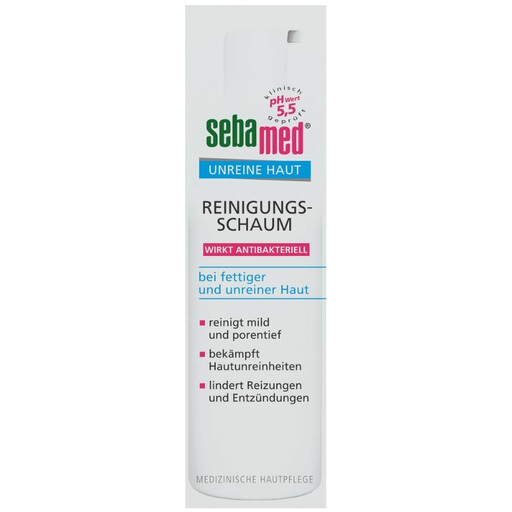
- Why We Recommend This Product: The core feature of this product is its pH of 5.5, which is balanced to the skin's natural physiological value. This supports the natural acid mantle. According to the manufacturer, the active ingredient Montaline C40 combats bacteria on the skin, helping to prevent the formation of new pimples.
- Benefits:
- Formulated with a pH of 5.5 to stabilise the acid mantle.
- The active complex with Montaline C40 has an antibacterial effect.
- Provides a deep-pore cleanse and removes excess oil.
- Panthenol promotes the regeneration of irritated skin areas.
- Who It's For: Users who prioritise a skin-neutral pH level and seek a cleansing solution with a specific antibacterial component for their blemish-prone skin.
Other Options and Alternatives
The products featured here cover different approaches and texture preferences. However, the market offers a wide variety of other formulations. If you are looking for different active ingredient combinations or specific brands, you can find a broader selection in our main category for Cosmetics and Skincare Products.
Frequently Asked Questions
1. How often should you cleanse oily skin? Cleansing twice a day—morning and evening—is generally considered ideal for oily skin. The morning cleanse removes sebum and sweat produced overnight. The evening cleanse rids the skin of makeup, dirt particles, and sebum that have accumulated throughout the day. More frequent cleansing can stress the skin barrier, leading to dryness or a compensatory increase in sebum production.
2. What is the best cleansing gel for blemish-prone skin and pimples? A suitable cleansing gel for blemish-prone skin should contain active ingredients that target the root causes of impurities. Products with salicylic acid (BHA) are beneficial as they work deep within the pores. Also, look for mild surfactants to avoid irritating the skin and a skin-neutral pH of around 5.5. Soothing ingredients like Panthenol or Allantoin can further help to reduce irritation.
3. Can a facial cleanser remove blackheads? Regular and thorough cleansing to target blackheads is a fundamental step in preventing their formation. Active ingredients like salicylic acid can help dissolve existing blockages in the pores, thereby reducing the appearance of blackheads. However, a cleansing product alone cannot always completely remove deep-seated, hardened comedones (blackheads). Its primary role is prevention and the superficial clearing of pores.