
Guide to Choosing Chili Oil
Anyone looking to buy authentic chili oil is often faced with a shelf full of options that raise more questions than they answer. The variety ranges from bright red, clear oils to thick pastes with crispy bits. Choosing the wrong product not only leads to culinary disappointment but also to wasted money. Many buyers fall into common pitfalls that are easily avoided with a little basic knowledge.
A frequent misconception is to judge chili oil solely by its heat level. A high Scoville rating is no guarantee of a good product. Often, aggressive heat masks the absence of any aromatic complexity. Another problem is the unclear declaration of ingredients. Products that advertise with vague terms like "spices" without specifying the type of base oil or the percentage of chili often use low-quality ingredients, with their flavor artificially intensified by flavor enhancers. This leaves you with one-dimensional heat instead of a multi-layered condiment oil.
What Really Matters When Choosing a Chili Oil
To make an informed decision, you should check three core parameters. These will help you objectively evaluate the quality and intended use of a chili oil.
1. Texture and Composition: Pure Oil vs. Chili Crisp
The most fundamental distinction lies in the texture. There are two main categories here:
- Pure Infused Oil: This is a clear, filtered oil that gets its aroma from being infused with chilies and other spices. It contains few or no solid components. This oil is excellent as a base for dressings, for finishing soups, or for adding aromatic depth to dishes during searing without altering the texture.
- Chili Crisp (with solid ingredients): This variant, often known as Chili Crisp or by brand names like Lao Gan Ma, contains not only oil but also an abundance of solid, often crunchy ingredients. These can include roasted chili flakes, fermented soybeans, peanuts, or fried garlic. Chili crisp is less a pure cooking oil and more a topping or condiment that adds both flavor and an interesting texture to dishes like noodles, rice, or dumplings.
2. Flavor Profile: Heat, Umami, and the "Mala" Sensation
A good chili oil offers more than just heat. Pay attention to the description of the flavor profile:
- Heat: This comes from the chilies. The intensity can range from mildly aromatic to fiery hot.
- Umami: A savory, meaty flavor often created by ingredients like fermented soybeans (in Chinese chili oils) or miso (in some Japanese versions).
- Mala (麻辣): This is the hallmark of Sichuan Chili Oil. It describes a unique combination of heat (La, 辣) and a tingling, slightly numbing sensation on the tongue (Ma, 麻), which comes from Sichuan peppercorns. A good Mala Sauce is balanced and not just numbing.
3. Base Oil and Ingredient List
The quality of the base oil is crucial for the overall taste. Canola oil is a neutral and commonly used base that allows the aromas of the spices to shine. Soybean oil is also common. Higher-quality products sometimes use sesame oil, which brings its own nutty flavor. A transparent ingredient list that specifies the percentage of main ingredients like chilies, peanuts, or soybeans is an indicator of a high-quality product.
Our Practical Selections
Based on the criteria mentioned, we have put together some products for different needs and flavor profiles.
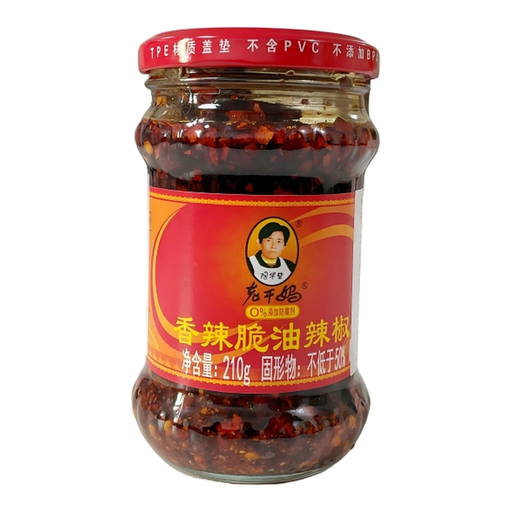
Lao Gan Ma Tao Huabi Spicy Chilli in Oil 210g
Why This Fits Their Persona: Ideal for anyone wanting to discover the world of chili crisp. This product is an established classic and extremely versatile. It's perfect as a topping for noodles, rice, eggs, or even on a simple slice of bread.
It bypasses the "heat-only" trap with a complex blend of crispy chilies, savory soybeans, and peanuts that provide texture and umami flavor.
Offers a balanced combination of heat, saltiness, and crunchy texture. The ingredient list is transparent and shows a high proportion of solid components.
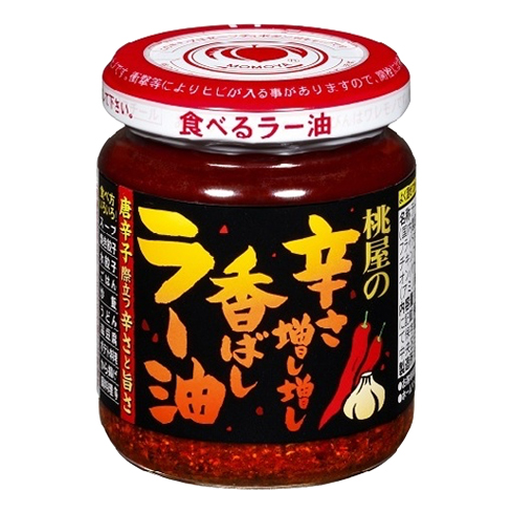
Momoya Strong MA-LA Chili Oil 105g
Why This Fits Their Persona: For experienced foodies specifically seeking the characteristic tingle of Sichuan peppercorns. This Japanese chili oil is specially designed to deliver an intense "Ma-La" experience, ideal for gyoza, ramen, or hot pot.
This product escapes the trap of vague flavors by explicitly advertising "Ma-La" and featuring Sichuan peppercorns prominently in the ingredient list. The focus is clearly on a specific, authentic flavor profile.
Delivers a distinct, numbing tingle (Ma) combined with a solid heat (La). The mix of fried garlic and onions provides additional aromatic depth.
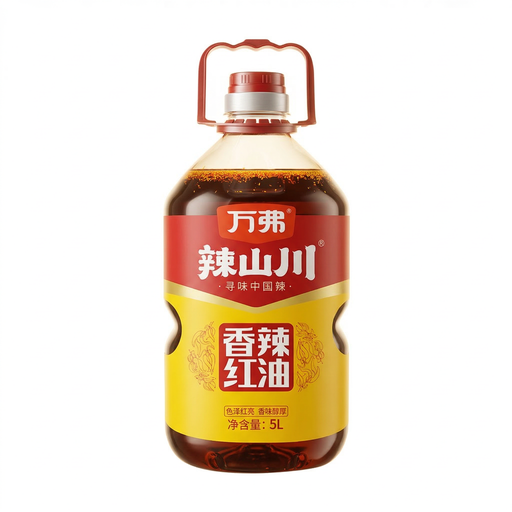
WanFu Hot ili Oil(pure) 5L
Why This Fits Their Persona: This bulk container is aimed at restaurants or ambitious home cooks who need a pure, aromatic chili oil in large quantities as a base for their own sauces, for wok cooking, or as a finishing oil.
By being designed as a pure oil without solid components, it avoids the trap of buying a textured topping when a versatile cooking oil is actually needed. The focus is on the pure chili aroma.
The 5-liter bulk size offers excellent value for money for frequent use. The pure oil is versatile as a cooking base or for finishing, without affecting the texture of dishes.
Frequently Asked Questions
What is the difference between Chinese and Japanese chili oil?
Although both serve as condiment oils, there are distinct differences. Chinese chili oil, especially from Sichuan, is often known for its complex Mala profile, which combines heat with the numbing tingle of Sichuan peppercorns. It frequently contains solid ingredients like soybeans or peanuts. Japanese chili oil (La-Yu) usually focuses on the aroma of toasted sesame oil and a well-defined, but often milder, heat. It is typically a clearer oil used as a finishing condiment for dishes like ramen or gyoza.
How do I properly store opened chili oil?
Most chili oils, especially those with solid ingredients (chili crisp), should be refrigerated after opening. This slows down the oil's oxidation process and preserves the freshness of the solid ingredients like garlic or nuts. Be sure to always close the lid tightly. Pure, filtered chili oil can often be stored in a cool, dark place, but refrigeration is generally recommended to maximize its shelf life.
Can I use chili oil for frying?
That depends on the type of oil. Pure, filtered chili oil can be used for searing over low to medium heat to impart flavor to food from the start. However, be careful, as the solid particles in chili crisp (like chili flakes or garlic) can burn quickly over high heat and develop a bitter taste. Therefore, chili crisp is better suited as a topping or is added at the very end of the cooking process.