
How to Season Beef for Authentic Asian Cuisine
Anyone looking to season beef Asian-style often faces a shelf brimming with enticing bottles and pastes. But the path to an authentic Bulgogi, a fiery Sichuan dish, or a hearty Gyudon bowl is fraught with pitfalls. Many products overpromise and underdeliver, leading to results that are a far cry from the flavours you remember from your holiday or favourite restaurant.
As your Joybuy Product Recommendation Officer, I'm here to help you navigate the jungle of options. We'll look at what really matters to avoid disappointment and find the right seasonings for your culinary project.
The 3 Most Common Mistakes When Buying Asian Beef Seasonings
Before you reach for the next bottle, you should be aware of these typical marketing traps that often lead to unsatisfying cooking results:
- The "Authentic" Label Without Substance: Many sauces advertise "authentic flavour" but consist mainly of sugar, water, and basic soy sauces. They lack the complexity that comes from fermented ingredients or specific regional spices. The result is often a one-dimensional sweet or salty taste.
- Unbalanced Flavour Profiles: A common problem is the excessive use of sugar or flavour enhancers to mask the low quality of the base ingredients. A good marinade or seasoning paste should offer a balance of sweet, salty, sour, and umami, rather than having just one of these notes dominate.
- The Wrong Sauce for the Wrong Dish: Not every Asian sauce is suitable for every dish. A Japanese Gyudon Sauce is designed for simmering and is fundamentally different from a Korean BBQ marinade, which is optimised for high-heat grilling. Using the wrong product can negatively affect the texture and flavour of the meat.
What Really Matters: The Key Parameters for Your Selection
To make the right choice, you should focus on the facts, not the label. These three parameters will help you objectively evaluate the quality and purpose of a seasoning.
1. The Ingredient List: The Key to Flavour
The foundation of any good Asian seasoning is its ingredients. Pay attention to the following points:
- Type of Soy Sauce: Is it a light, dark, or brewed soy sauce? This affects the saltiness and colour.
- Fermented Components: Ingredients like Gochujang (Korean chilli paste), Doenjang (soybean paste), or Pixian bean paste are indicators of deeper, more complex flavours.
- Regional Spices: Look for specific ingredients that define a dish. A good Bulgogi Sauce often contains pear or apple purée for natural sweetness. An authentic Sichuan product should contain Sichuan Pepper for that signature 'mala' tingle.
2. The Intended Use: Marinade, Seasoning Paste, or Soup Base?
Asian seasonings are not one-size-fits-all. Their consistency and composition are optimised for specific cooking methods:
- Marinades: More liquid and often sweeter to penetrate deep into the meat and tenderise it. Ideal for grilled dishes like Korean BBQ.
- Seasoning Pastes: More concentrated and thicker, perfect as a beef stir-fry seasoning. They adhere well to the meat and release their flavour quickly at high heat.
- Soup Bases: These products are made to be dissolved in water or broth to create a flavourful foundation for stews or an Asian soup base for noodle soups. This is where you'll often find options for hot and sour beef.
3. The Flavour Profile: From Sweet & Savoury to Hot & Tingly
Read the description carefully to identify the flavour profile:
- Sweet & Savoury: Typical for dishes like Bulgogi or Japanese Gyudon. The sweetness ideally comes from fruit, mirin, or a balanced amount of sugar.
- Hot & Tingly (Mala): The hallmark of Sichuan cuisine. A good Sichuan Pepper Sauce or seasoning paste delivers both heat from chillies and the numbing sensation of Sichuan pepper.
- Sour & Hot: Often found in Southwest Chinese or Thai dishes. The acidity usually comes from vinegar, pickled vegetables, or citrus fruits.
Products We Stand Behind
Here are some recommendations tailored to different needs and cooking styles.
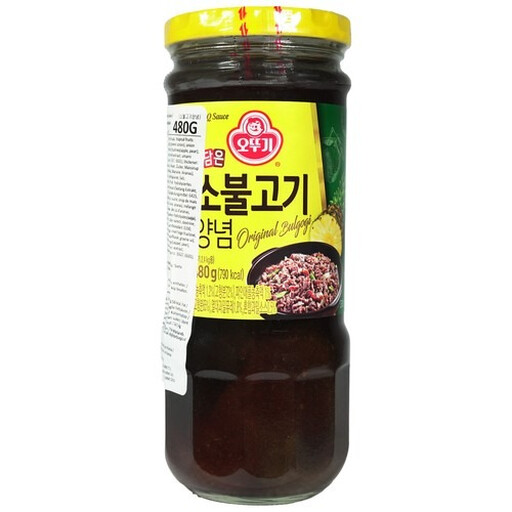
Ottogi Beef Bulgogi Sauce 480g
Why This Fits Their Persona: Ideal for anyone wanting to prepare authentic Korean Bulgogi for the first time. The sauce is ready-to-use and offers a classic, balanced sweet-and-savoury flavour profile that isn't overwhelming.
This sauce avoids the "one-dimensional flavour" trap by using fruit purées (mango, banana, pineapple) and chutney (apple, pear) in addition to sugar for a complex, natural sweetness.
A ready-to-use marinade suitable for both pan-frying and grilling. The ingredient list shows a thoughtful profile that goes beyond a simple soy sauce-sugar mixture.
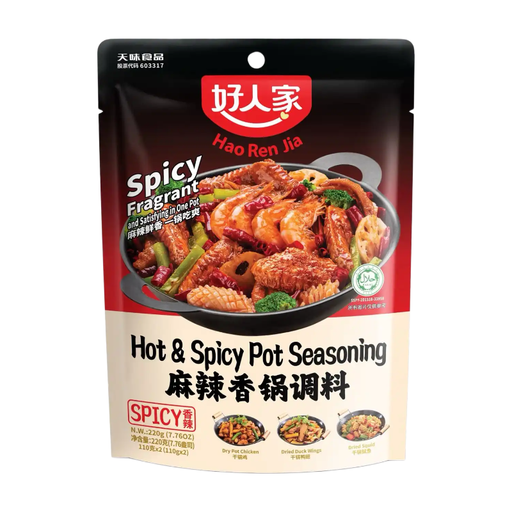
Hao Ren Jia Mala Dry Pot Seasoning Mix, 220g
Why This Fits Their Persona: Perfect for home cooks who want to replicate the authentic, hot-and-tingly "mala" flavour of Sichuan dishes like dry pot (Mala Xiang Guo). This paste is highly concentrated and uncompromising in flavour.
This product isn't a generic "hot sauce." It contains specific regional ingredients like Pixian bean paste, chilli (≥5%), and Sichuan pepper (≥1%), which avoids the "false promise of authenticity" trap.
A versatile seasoning paste that works for beef as well as other meats and vegetables. The quantitative declaration of chilli and Sichuan pepper sets a clear expectation for the heat level and aroma.
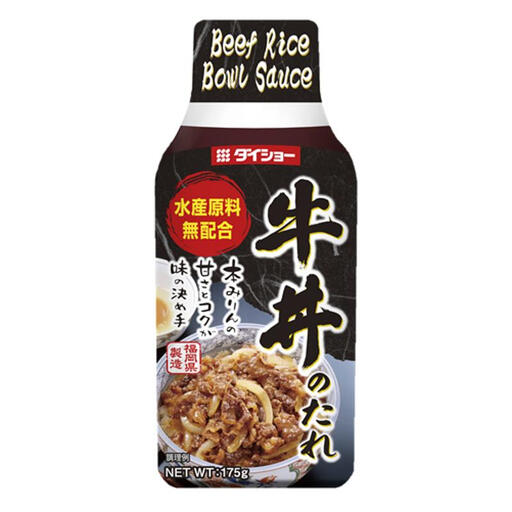
Daisho Beef Rice Bowl Sauce (Gyudon), 175g
Why This Fits Their Persona: For anyone who wants to quickly and easily prepare an authentic Japanese Gyudon bowl after a long day at work. This sauce is specifically designed for this one dish and delivers reliable results.
By clearly positioning itself as a "Beef Rice Bowl Sauce," it avoids the trap of being an unsuitable all-purpose sauce. You get the exact flavour profile required for Gyudon.
Maximum convenience for a specific dish. The composition is designed for simmering thin slices of beef and ensures that classic Japanese umami flavour.
Looking for more options?
We have compiled a complete, up-to-date list of products that fully meet these strict selection criteria and local food regulations.
Frequently Asked Questions (FAQ)
1. How long should you marinate beef for Asian dishes? The marinating time depends heavily on the cut of meat and the type of marinade. For thinly sliced meat, like that used for Bulgogi or stir-fry dishes, 30 minutes to 2 hours is often sufficient. For larger cuts, marinating overnight in the refrigerator can be beneficial. With acidic marinades (e.g., for hot and sour beef), the time should be kept shorter, as the acid can alter the protein structure of the meat.
2. Can I use a seasoning paste for chicken on beef as well? In many cases, yes. Flavour profiles like Sichuan Mala or the spicy Xinjiang style are often versatile. Products like the Hao Ren Jia Seasoning For Xinjiang Style Chicken can also be used for lamb or beef. However, keep in mind that sauces specifically developed for beef (e.g., when you buy a Bulgogi sauce) are tailored to the stronger natural flavour of beef.
3. What is the difference between a Korean BBQ marinade and a Japanese Gyudon sauce? A Korean BBQ marinade is typically designed for high-heat grilling. It often contains more sugar and fruit components that caramelise during grilling to form a beautiful crust. A Gyudon Sauce, on the other hand, is a braising liquid. It is based on soy sauce, mirin (sweet rice wine), and dashi (broth) and is designed to slowly cook beef, giving it a deep, savoury umami flavour.