
How to Choose the Right Asian Sauces for Beef
Recreating authentic Asian beef dishes at home can be a daunting task. The desire for the complex flavour profile of a Korean Bulgogi or a spicy Sichuan soup often leads to the supermarket, where the selection of ready-made sauces is overwhelming. But not every sauce delivers on its promise. Many home cooks are disappointed to find that the result doesn't match the original from their favourite restaurant. This guide will help you avoid common purchasing pitfalls and find the right sauce for your culinary project.
The 2 Most Common Pitfalls When Buying Pre-Made Asian Sauces
Before making a purchase, it's helpful to know the typical issues that can lead to a disappointing culinary result.
- Misleading "Authenticity" Claims: Many products marketed as "authentic" are heavily adapted for Western palates. They often contain excessive amounts of sugar or corn syrup to appeal to a broader audience. This results in a one-dimensional, sweet taste that masks the regional spice nuances and has little in common with the original dish.
- Generic "All-Purpose" Sauces: A sauce marketed as suitable for "all Asian dishes" is rarely the right choice for a specific recipe. The cuisines of Japan, Korea, China, and Vietnam have vastly different flavour profiles. A universal pre-made Asian sauce cannot possibly replicate the characteristic depth of a Pho soup paste or the specific sweet-and-salty balance of a Bulgogi marinade.
What to Look For When Buying: 3 Key Criteria
To ensure you get a product that truly enhances your dish, you should check three core parameters.
1. Sauce Specificity: Dish-Specific Over Universal
The most important factor is the sauce's intended purpose. Look specifically for products developed for a particular dish. A marinade for Korean beef is formulated differently than a Sichuan soup base. The former is designed to tenderise the meat and caramelise during frying or grilling. The latter serves as the foundation for a complex, often spicy and sour broth. A clear product name like Gyudon sauce or Korean BBQ sauce for beef is an indicator of a specialised product.
2. Analyse the Ingredient List
A glance at the ingredient list reveals a lot about the quality. Look for characteristic regional ingredients. For Korean sauces, these are often fermented soybean paste (Doenjang) or chilli paste (Gochujang), and pear or apple purée as natural sweeteners. For Sichuan products, Sichuan pepper and fermented chilli varieties are crucial. A shorter ingredient list with recognisable components is often a good sign. A high-quality seasoning paste for beef dishes is usually more concentrated and flavourful than a thin sauce diluted with water and starch.
3. Check the Sugar and Salt Content
Asian sauces are often based on soy sauce and require a certain sweetness for balance. However, an excessive sugar or salt content can completely overpower the natural flavour of the beef. Compare the nutritional information per 100g. A high sugar content (often declared as glucose syrup or fructose syrup) can be a sign of a lower-quality formula. The goal is to prepare beef Asian-style by enhancing its flavour, not drowning it in sweetness.
Our Top Picks for Different Cooking Needs
Here are some product recommendations tailored to specific requirements and dishes.
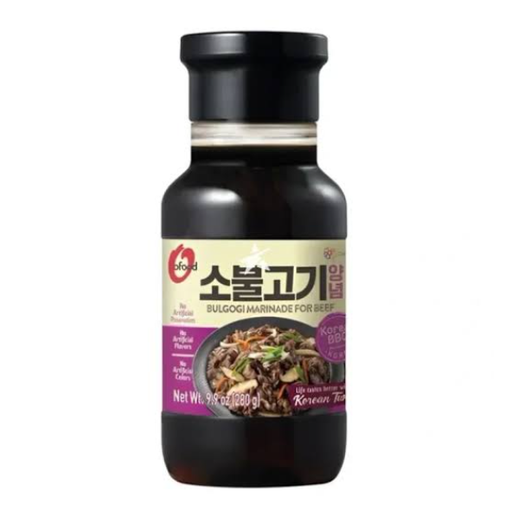
CHUNG JUNG ONE Bulgogi Marinade Sauce for Beef 280g
Why it's a great fit: Ideal for anyone wanting to replicate the classic sweet-and-salty taste of Korean Bulgogi at home. The sauce is specifically designed to marinate thinly sliced beef, giving it a caramelised crust when pan-fried.
This isn't a generic "Asian sauce" but a specific Bulgogi marinade. The formula is tailored to this one dish, delivering a balanced and recognisable flavour profile.
The ready-to-use formula combines soy sauce with natural sweeteners and aromatics like garlic and ginger. It tenderises the meat and ensures that signature taste.
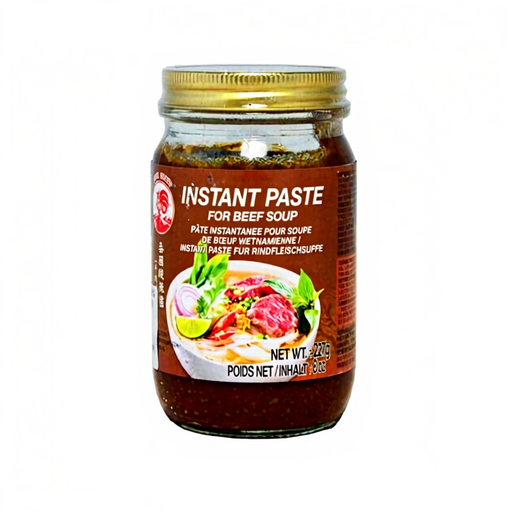
Cock Brand Instant Pho Beef Soup Paste 227g
Why it's a great fit: Perfect for quickly preparing a Vietnamese Pho soup. If you don't have hours to simmer a beef broth, this provides a deeply flavourful and aromatic base in minutes.
This Pho soup paste avoids the "inauthentic" trap. Instead of a thin, overly sweet broth, the concentrated paste delivers complex flavour from traditional herbs and beef extract.
The paste format allows for a high concentration of flavours. It dissolves in boiling water to create a rich broth, serving as the perfect base for noodles, beef slices, and fresh herbs.
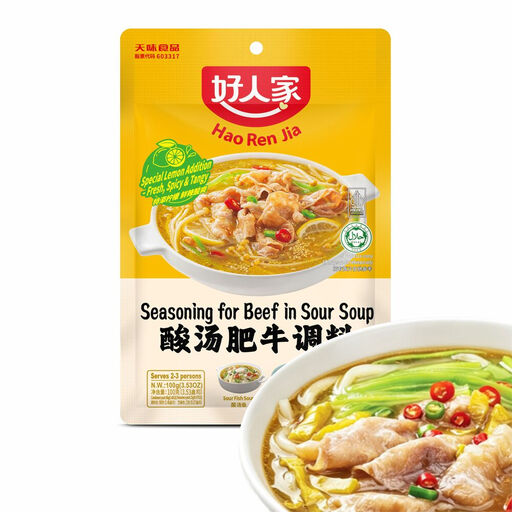
Hao Ren Jia Hot and Sour Beef Seasoning 100g
Why it's a great fit: For cooks seeking the distinctive hot and sour flavour of a Sichuan beef dish (Suan Tang Fei Niu). This seasoning packet delivers the complex aromatics that are otherwise difficult to replicate at home.
This product is highly specialised. It's a Sichuan soup base founded on fermented yellow lantern chilli paste—a key ingredient missing from generic sauces. This helps it avoid the "all-purpose sauce" trap.
It offers a complete flavour profile of sour, spicy, and umami notes in one package. This significantly simplifies the process of creating a restaurant-quality dish.
Looking for more options?
We have compiled a full, up-to-date list of products that fully meet these strict selection criteria and UK regulations.
Frequently Asked Questions
How long should you marinate beef in an Asian marinade?
The marinating time depends on the thickness of the meat and the intensity of the marinade. For thinly sliced beef, like that used for Bulgogi, 30 minutes to an hour is often sufficient. For thicker cuts or a more intense flavour, the meat can also be marinated for several hours or overnight in the refrigerator.
How can I identify a high-quality Asian seasoning paste versus a sauce?
A seasoning paste for beef dishes is typically thicker and more concentrated. On the ingredient list, the main flavour agents (e.g., chillies, soybeans, herbs) are often listed first, whereas with thinner sauces, water or syrup may be higher up. Pastes often provide a deeper and more complex aroma.
Can you use a Korean BBQ sauce for dishes other than beef?
Yes, a Korean BBQ sauce for beef is versatile. Its sweet-and-salty profile also pairs very well with chicken, pork, or even firm tofu and mushrooms. It can be used as a marinade, a glaze during cooking, or as a dipping sauce.