
Complete Guide to Choosing an Anti-Mite Vacuum Cleaner
A restful night's sleep is fundamental to our well-being, yet we often share our beds with unseen cohabitants: dust mites. For allergy sufferers, families with children, or pet owners, this can become a significant problem. A specialised anti-mite vacuum promises relief, but navigating the market can be overwhelming. Many devices advertise features with questionable practical benefits. Before you make a purchase, it's crucial to understand the most common pitfalls to avoid a poor investment.
The 2 Most Common Pitfalls When Buying a Mattress Cleaner:
- The UV Light Myth: Many manufacturers promote UV-C light as a miracle cure for mites. In theory, UV-C radiation can kill microorganisms. In practice, however, this requires prolonged, direct exposure on a single spot. During the rapid movement of a vacuum cleaner, the exposure time is often too short to achieve a significant effect. This feature alone is no guarantee of a mite-free mattress.
- Insufficient Suction Power: Mites and their allergens cling deep within the fibres of mattresses and upholstery. A device with low suction power (under 10,000 Pascal) often only cleans the surface. The particles that cause the real problems remain trapped in the fabric.
What Really Matters: The Crucial Features of an Anti-Mite Vacuum
To effectively remove mites and allergens from mattresses, the right combination of technical features is key. Instead of relying on marketing claims, you should focus on the following objectively measurable parameters.
Suction Power (in Pascal) and Vibration Function
Suction power, measured in Pascal (Pa) or Kilopascal (kPa), is the most important indicator of cleaning depth. A high-performance mite vacuum cleaner should have a suction force of at least 12,000 Pa (12 kPa) to dislodge particles even from deeper layers of the mattress. Many models support this process with an integrated vibration or tapping function. This agitates the fabric, loosening stubborn dirt and mite droppings so the airflow can capture them.
Hot Air for Moisture Reduction
Mites thrive in warm, humid environments. A feature that blows hot air (typically around 50–60 °C) onto the mattress during or after vacuuming offers a crucial advantage: it reduces residual moisture in the fabric. This makes the environment inhospitable for mites and helps to reduce their population over the long term. A drier sleeping environment is therefore a key step in keeping your mattress hygienic.
Filtration System for Clean Exhaust Air
What good is the most powerful suction if the captured allergens are immediately blown back into the room? A high-quality vacuum for allergy sufferers requires a multi-stage filtration system. Look for devices with a HEPA (High-Efficiency Particulate Air) filter. This type of filter can reliably trap even the smallest particles, such as mite droppings, pollen, and fine dust, ensuring clean exhaust air.
Our Top Model Recommendations
Based on the criteria mentioned, we have identified several products suitable for different needs and budgets.
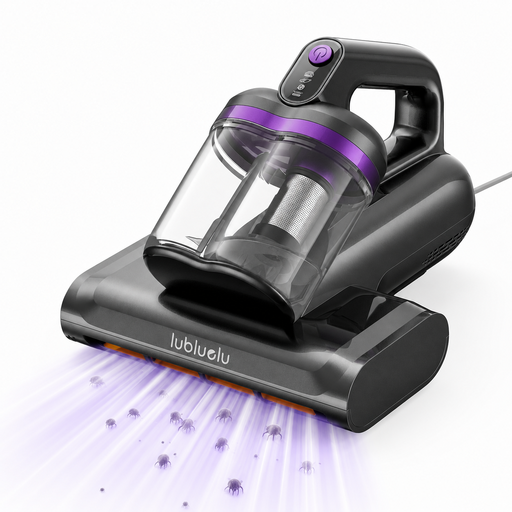
Lubluelu 15kPa Suction 55°C Hot Air Drying CM208 Anti-Mite UV Mattress Vacuum Cleaner
Why This Fits Their Persona: Ideal for anyone looking for an effective starter kit for mattress hygiene without a large investment. The device combines the most important functions for solid cleaning performance.
This model avoids the low-suction pitfall with a rating of 15 kPa, which is sufficient to pull particles from deep within the fabric. The hot air function provides real added value, rather than relying solely on UV light.
The combination of strong suction and 55 °C hot air drying creates a mite-hostile environment. The large 650 ml dustbin needs to be emptied less frequently.
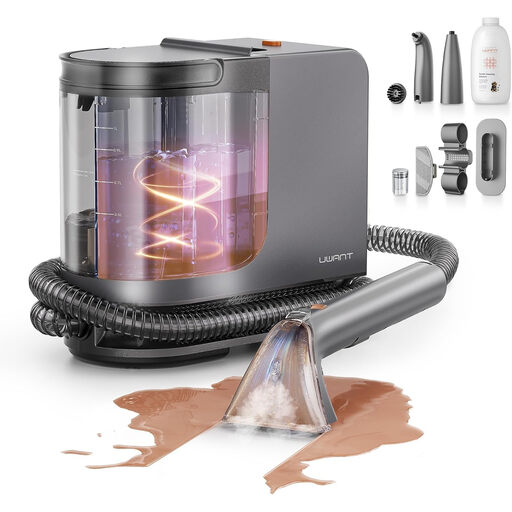
Uwant B400 Grey Spot Cleaner
Why This Fits Their Persona: Perfect for users who want not only to remove mites but also to achieve a hygienic deep clean for mattresses, sofas, and carpets. The steam function provides chemical-free disinfection.
This device relies on a combination of very high suction power at 18,000 Pa and hot steam. The steam penetrates deep into the fabric and combats mites and bacteria thermally, which is far more effective than brief UV exposure.
The steam cleaning function reduces mites and bacteria without chemicals. According to the manufacturer, it eliminates 99%+ of bacteria and 100% of mites. It is also versatile enough to be used as a spot cleaner.
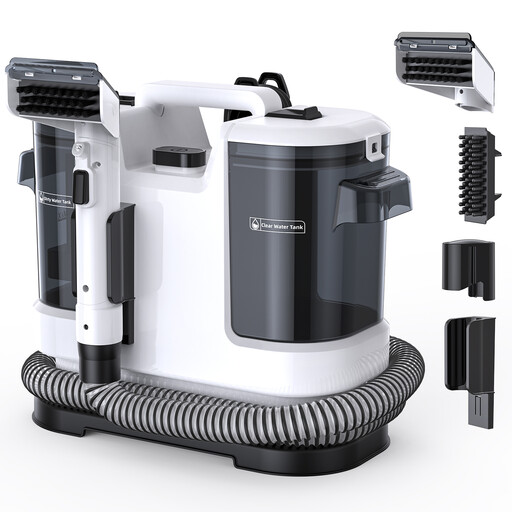
Lubluelu V6 Wet Vacuum Carpet Cleaner
Why This Fits Their Persona: Suitable for households with children or pets where stains on upholstery, carpets, or in the car are a concern, not just mites. A multifunctional upholstery cleaner.
With a suction power of 13,500 Pa, this device is strong enough for a deep clean. Instead of gimmicks, it relies on the proven method of wet cleaning: water is sprayed to loosen dirt and is immediately vacuumed up again.
The large, separate tanks for fresh and dirty water allow for longer cleaning sessions without interruption. Its function as a wet vacuum cleaner makes it a versatile tool for the entire household.
Looking for More Options?
We have compiled a complete, real-time list of products that fully satisfy these strict selection criteria and UK safety regulations.
Frequently Asked Questions (FAQ)
How often should you use an anti-mite vacuum?
For allergy sufferers, weekly use on mattresses, pillows, and favourite upholstered furniture is recommended to keep the allergen load consistently low. In households without allergy sufferers, using it every two to four weeks is generally sufficient to maintain hygiene.
Can a regular vacuum cleaner remove mites from a mattress?
A conventional vacuum cleaner with an upholstery nozzle can remove surface dust, but it is less suitable for deep cleaning a mattress. It often lacks the specific features of an anti-mite vacuum, such as high, concentrated suction power, a vibration function to dislodge particles, and an adequate filtration system that traps the finest allergens.
How do I properly maintain an anti-mite vacuum?
Proper maintenance is crucial for consistent performance. Empty the dustbin after each use to avoid compromising suction power. Clean the filters regularly according to the manufacturer's instructions. Depending on the model, HEPA filters in particular should be tapped out, washed, or replaced after a certain period of use to ensure their filtering efficiency.