
144Hz Gaming TV: 2026 Buyer's Guide and Recommendations
A 144 Hertz (Hz) refresh rate on a television means the display can render 144 frames per second. This figure is significantly higher than the standard 60 Hz or 120 Hz and is a crucial technical parameter for the fluid display of motion. Especially in fast-paced video games on PC or current consoles like the PS5, a higher refresh rate leads to less motion blur and more immediate visual feedback, which can improve a player's reaction time. Utilising this high frequency requires corresponding hardware and software support.
Buyer's Guide: Technical Selection Criteria for a Gaming TV
Choosing a television for gaming applications is based on a set of objective technical specifications. These parameters determine the device's performance and picture quality in demanding scenarios.
Refresh Rate and Synchronisation Technologies
A 144Hz TV provides the foundation for extremely smooth motion. However, to avoid visual artifacts like screen tearing, which can occur with fluctuating frame rates from the source, support for VRR (Variable Refresh Rate) is an essential feature. Technologies such as AMD FreeSync or NVIDIA G-Sync dynamically synchronise the TV's refresh rate with the output of the graphics card or console. Furthermore, Auto Low Latency Mode (ALLM) ensures that the TV automatically switches to the mode with the lowest input lag as soon as a game is launched.
Display Technology: QLED and Mini LED
The display technology has a direct impact on contrast, brightness, and colour reproduction.
- QLED TV: These devices use a layer of Quantum Dots (nanoparticles) to filter the light from the LED backlight. The result is an expanded colour gamut and higher peak brightness compared to conventional LED TVs.
- Mini LED TV: This is an advancement of LED backlighting. Thousands of very small light-emitting diodes are grouped into zones that can be precisely dimmed (Full Array Local Dimming, FALD). This allows for significantly higher contrast ratios, deeper black levels, and a reduction in blooming effects (halos around bright objects).
Resolution and Connectivity: 4K and HDMI 2.1
A 4K resolution (3840 x 2160 pixels) is now standard for high-end televisions and offers high image sharpness, especially on larger screens like a 65-inch TV. To take full advantage of the combination of 4K resolution and a 144 Hz refresh rate, an HDMI 2.1 TV is required. Only this connection standard provides the necessary 48 Gbit/s bandwidth to transmit this volume of data. A TV for PS5 or Xbox Series X directly benefits from the capabilities of the HDMI 2.1 port.
HDR Formats and Smart Features
High Dynamic Range (HDR) expands the contrast range and colour spectrum. Key formats include HDR10, HLG, and dynamic formats like Dolby Vision or HDR10+. Dolby Vision adjusts picture parameters on a scene-by-scene basis, resulting in an optimised display. A modern Smart TV operating system also offers quick access to streaming services, apps, and allows for integration into a smart home ecosystem.
Our Top Gaming TV Picks for 2026
The following models have been selected based on their technical specifications and their suitability for demanding gaming and home cinema applications.
LG 65” QNED evo 4K Smart TV (65QNED93B6A)
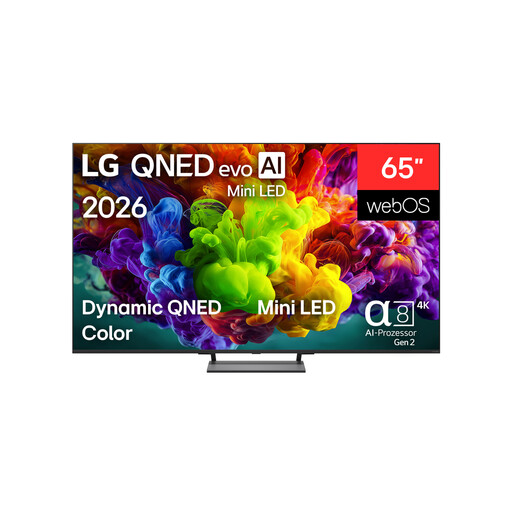
Why we recommend this product The LG 65QNED93B6A combines a Mini-LED backlight with QNED colour technology. The Precision Dimming Pro feature allows for very fine-grained control of the lighting zones, leading to high contrast and deep black levels. The α8 Gen2 4K AI processor optimises picture and sound in real-time. For gamers, support for 4K at 144 Hz, AMD FreeSync, and VRR are decisive features for a fluid gaming experience.
Pros
- Mini-LED technology with Precision Dimming Pro for high contrast
- Support for 4K gaming at 144 Hz
- Comprehensive HDR support including Dolby Vision
- webOS 25 Smart TV with AI Magic Remote
- Game Optimizer for quick adjustments to game settings
Who it's for This model is suitable for users seeking a large-screen TV with advanced picture technology for both gaming and home cinema. The combination of Mini-LED, a high refresh rate, and intelligent picture enhancement functions caters to users with high demands for picture quality.
Hisense 55E8S 55-Inch 4K UHD QLED Mini-LED Smart TV
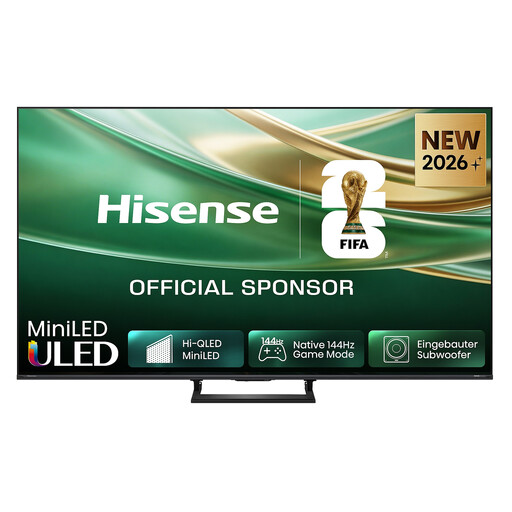
Why we recommend this product The Hisense 55E8S offers a combination of QLED and Mini-LED technology in a 55-inch screen size. With a native 144 Hz refresh rate and a specified response time of 6 ms, the device is designed for fast-paced content. The integration of VRR and ALLM makes it a solid choice for console and PC gamers. An integrated subwoofer complements the visual experience with more powerful audio reproduction.
Pros
- Native 144Hz refresh rate
- Combination of QLED and Mini-LED technology
- Gaming features like VRR and ALLM
- Integrated subwoofer for enhanced bass response
- Good contrast ratio of 5000:1
Who it's for This device is aimed at gamers and multimedia users who are looking for a high refresh rate and modern display technologies in a more compact 55-inch size. Its focus on gaming features and the added audio component make it a functional all-in-one solution.
TCL 65T8C 65-Inch QLED 4K UHD Google TV
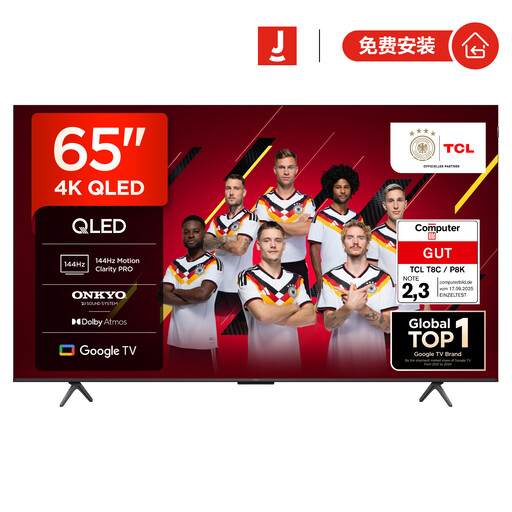
Why we recommend this product The TCL 65T8C is a QLED TV that aims for smooth motion handling with 144Hz Motion Clarity Pro. It is equipped with comprehensive gaming features, including HDMI 2.1, ALLM, VRR, and AMD FreeSync. The "Game Master" function consolidates these settings for quick access. It runs on Google TV, which offers a personalised user interface and built-in Chromecast. The 2.1 sound system by Onkyo with an integrated subwoofer provides a solid soundscape.
Pros
- 144Hz Motion Clarity Pro and AMD FreeSync
- Comprehensive gaming optimisation with Game Master and Game Bar
- Google TV as a versatile Smart TV system
- Onkyo 2.1 sound system and support for Dolby Atmos
- Support for Dolby Vision and HDR10+
Who it's for This model is designed for users who want a device heavily focused on gaming with an integrated, powerful smart TV ecosystem. The combination of a high refresh rate, dedicated gaming modes, and the Google TV operating system appeals to tech-savvy users who value connectivity and ease of use.
Other Options and Alternatives
The models presented here represent a selection that meets specific technical requirements. The market offers a multitude of other devices with varying specifications regarding size, display technology, and price. For a broader overview of available models, you can consult our main category for 4K UHD LED TVs.
Frequently Asked Questions (FAQ)
What is the advantage of 144Hz on a TV?
A 144 Hz TV can display 144 frames per second. This results in a visibly smoother and sharper depiction of fast motion, which is particularly beneficial for video games. The latency between input and visual response is reduced, enabling a more responsive gaming feel.
Do I need HDMI 2.1 for 144Hz gaming?
Yes, an HDMI 2.1 port is mandatory for transmitting a 4K signal at 144 Hz. Older HDMI standards like 2.0b do not have the necessary data transfer rate (bandwidth) for this combination of high resolution and high refresh rate.
Is a QLED or Mini LED TV better for gaming?
Both technologies offer advantages. QLED TVs are distinguished by their excellent colour reproduction and high brightness. Mini-LED TVs, thanks to their precisely controllable backlight, offer superior contrast and deeper black levels. Models that combine both technologies attempt to unite their respective strengths. The choice depends on personal preference regarding contrast and colour intensity.