
Bean-to-Cup Coffee Machines: 2026 Buying Guide and Recommendations
A bean-to-cup coffee machine integrates multiple functions into a single appliance: it grinds fresh coffee beans, brews the coffee under pressure, and automatically disposes of the used coffee grounds. Core components include a grinder, a brewing unit, and a water tank. Many models also feature an integrated milk frother for preparing speciality coffees like cappuccino or latte macchiato. Choosing the right machine depends on an analysis of technical specifications and individual user needs.
Buying Guide: Technical Criteria for Selection
The decision to buy a bean-to-cup coffee machine should be based on an objective evaluation of its technical features. The following parameters are crucial for the machine's performance and longevity.
The Grinder: The Heart of the Aroma
The grinder is crucial for coffee quality, as it grinds the beans immediately before the brewing process. There are two main types:
- Ceramic grinders: These are considered highly durable and heat-resistant. The lower heat generation during grinding helps preserve the coffee beans' delicate aromas.
- Steel grinders: Conical or flat burr grinders made of hardened steel are also robust and precise. They can potentially generate more heat during intensive use.
An adjustable grind setting, ideally with five or more levels, allows you to tailor the coarseness to the specific bean type and desired coffee strength.
Milk Systems: Manual vs. Automatic
For preparing milk-based speciality coffees, there are different systems:
- Classic steam wand (Panarello): This requires manual skill to froth milk in a separate jug. It offers maximum control over the milk foam's texture and temperature.
- Automatic milk systems with an intake hose: The system draws milk directly from an external container (e.g., a milk carton), heats and froths it, and dispenses it straight into the cup.
- Integrated milk carafe (e.g., LatteGo system): Here, milk is filled into a clip-on container. Frothing is fully automatic at the touch of a button. These systems are often designed for effortless cleaning as they have no tubes.
Cleaning and Maintenance
Straightforward maintenance is essential for the machine's hygiene and lifespan. Relevant features include:
- Automatic cleaning and rinsing programmes: Most machines automatically rinse the coffee spout when switched on and off.
- Removable brewing unit: A brewing unit that can be removed from the side or front is easy to clean under running water. This is a key factor in preventing mould growth.
- Water filters: Integrated water filters (e.g., AquaClean) reduce limescale build-up and improve the coffee's taste. They decrease the frequency of necessary descaling cycles.
- Dishwasher-safe parts: Removable components like the drip tray, coffee grounds container, or parts of the milk system that are dishwasher-safe simplify daily upkeep.
Other Relevant Parameters
- Noise level: For use in open-plan kitchens or offices, a quiet bean-to-cup machine can be a significant advantage. Some manufacturers, like Philips, advertise technologies such as "SilentBrew," which reduces the grinder's noise emissions.
- User interface: Control is managed via buttons, rotary dials, or touch displays. Intuitive menus and the ability to save individual user profiles for preferred coffee settings enhance convenience.
- Brewing pressure: A pressure of around 9 to 15 bar at the brewing unit is considered standard for preparing espresso.
Our Selection of Bean-to-Cup Coffee Machines for 2026
Based on an analysis of technical specifications and feature sets, we present a few models here.
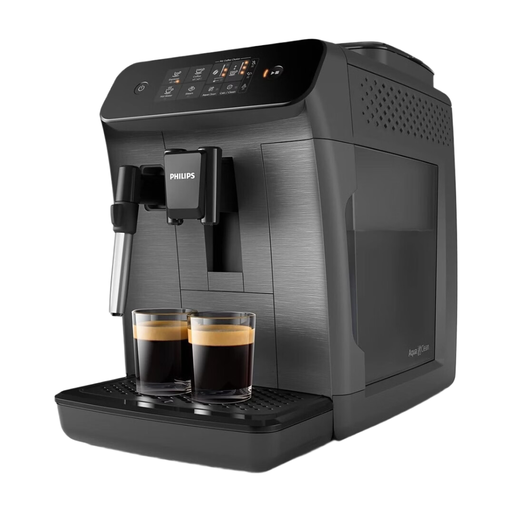
Philips Automatic Espresso Machine Series 800 EP0824/00
-
Why we recommend this product: This model combines the core functions of a bean-to-cup machine with straightforward operation. The SensorTouch interface allows for direct beverage selection. The classic milk frother is aimed at users who want to maintain control over their milk foam's consistency.
-
Pros:
- Ceramic grinder: The 12-step adjustable grinder is designed for durability and preserving the bean's aroma.
- Classic milk frother: Offers flexibility in preparing milk foam.
- AquaClean filter compatibility: According to the manufacturer, up to 5,000 cups are possible without descaling, provided the filter is changed regularly.
- Compact design: Fits well in kitchens with limited space.
-
Who it's for: Users looking for a reliable entry into the world of bean-to-cup coffee machines who value freshly ground coffee and the option of manual milk frothing.
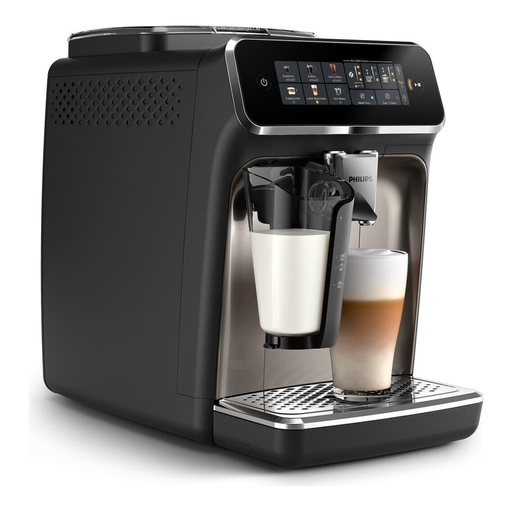
Philips 3300-6 Series Fully Automatic Espresso Machine (EP3347/90)
-
Why we recommend this product: The EP3347/90 stands out for its high degree of automation and convenience. The LatteGo milk system prepares milk foam fully automatically and is exceptionally easy to clean thanks to its two-part, tube-free design. The SilentBrew technology addresses the demand for quiet operation.
-
Pros:
- LatteGo milk system: Enables one-touch preparation of cappuccino and other milk specialities and is dishwasher-safe.
- SilentBrew technology: Reduces grinder noise, which is advantageous in a home office or open-plan living areas.
- Modern touch display: The colour icons simplify navigation and customisation of coffee strength, volume, and milk foam.
- 100% ceramic grinder: Ensures consistent grinding performance.
-
Who it's for: Users who want maximum convenience when preparing milk-based specialities and appreciate quiet operation.
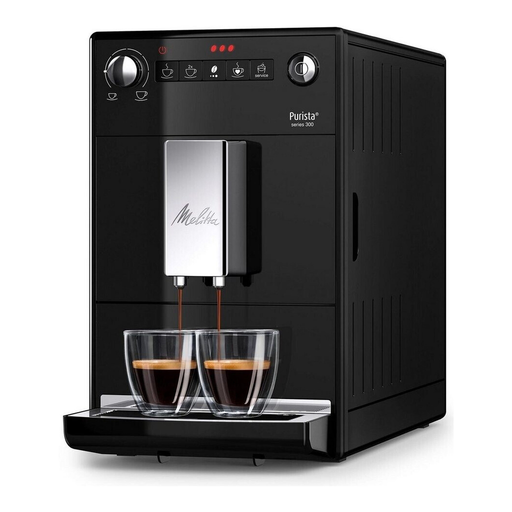
Melitta Automatic Espresso Machine, Purista Model, F230-102
-
Why we recommend this product: The name "Purista" perfectly describes the focus of this Melitta bean-to-cup machine: preparing excellent black coffee and espresso. At just 20 cm wide, the machine is extremely compact. It deliberately omits an integrated milk system to concentrate on its core competency.
-
Pros:
- Very compact design: Ideal for small kitchens or tight spaces.
- Quiet grinder: The steel conical burr grinder operates at a comparatively low noise level.
- Focus on coffee quality: Features like the pre-brewing function and adjustable coffee strength are designed for an optimal coffee experience.
- Easy cleaning: The brewing unit is removable for cleaning.
-
Who it's for: Coffee purists who primarily drink espresso and café crème and prefer a space-saving machine that is streamlined to the essentials.
Discover More Options
The models presented cover a range of user profiles. If you are looking for specific designs or additional features, our category offers a wider selection. For those who appreciate a cohesive kitchen aesthetic, our selection of black espresso machines may be of particular interest.
Frequently Asked Questions (FAQ)
1. What is the difference between a bean-to-cup machine and an espresso machine? A bean-to-cup machine is an automatic espresso machine that also has an integrated grinder. It handles the entire process from bean to cup at the touch of a button. In contrast, a classic portafilter espresso machine requires a separate coffee grinder and manual steps like tamping (compressing) the coffee grounds.
2. How important is the grind size on a bean-to-cup machine? The grind size is a crucial factor for the taste. A finer grind results in a longer contact time between water and coffee, leading to a stronger, more intense espresso. A coarser grind is better suited for a long coffee (café crème) and produces a milder aroma. The ability to adjust the grind size is therefore an important quality feature.
3. How often does a bean-to-cup machine need to be cleaned? Daily cleaning is minimal and involves emptying the coffee grounds container and the drip tray. The brewing unit, if removable, should be cleaned weekly under running water. The milk system should be rinsed after each use. A full descaling cycle is automatically requested by the machine after several hundred cups, depending on water hardness and frequency of use.