
BBQ Sauce and Marinade: A Guide to Choosing for Meat, Vegetables and Barbecue Dishes
Selected by the Joybuy Product Recommendation Officer
A BBQ sauce and marinade should season, glaze or accompany grilled food as a dip. The choice ranges from classic barbecue sauce and Korean BBQ sauce to dry seasoning mixes for grilling. This variety can often lead to unsuitable purchases, however: a sweet sauce can quickly burn at high heat, a very salty mix is not suitable for every preparation, and a marinade is not automatically suitable as a table sauce.
Common purchasing and usage pitfalls
1. Sweet sauces are applied too early
Many barbecue sauces contain sugar, syrup or molasses. These create a caramelised surface, but at high direct heat they can also result in dark, bitter patches. With the Bull's-Eye Original BBQ Sauce 300 ml, it is therefore recommended that the sauce is only applied during the final 10 to 15 minutes of grilling.
Sugar-based sauces are not necessarily unsuitable for longer marinating times. However, the grilled food should not then be placed directly over maximum heat.
2. Marinades, rubs and dips are confused
A liquid BBQ marinade is designed for marinating. A dry BBQ seasoning or barbecue seasoning, on the other hand, adheres directly to the food and is also suitable for adding extra seasoning. Classic barbecue sauce is often used after cooking as a dip or glaze.
A product with several possible uses can be more practical. According to the product information, Liu Po Barbecue Seasoning 3 in 1 is intended for marinating, sprinkling, dipping and seasoning stir-fried dishes. This is different from a liquid sauce that is mainly used as a sauce for meat.
3. Salt, sugar and allergens are not checked
Sauces and seasoning mixes can contain significant amounts of salt or sugar. Examples from the product information include:
- Bibigo Bulgogi Sauce Hot & Spicy: 33 g sugar and 5.7 g salt per 100 g
- Liu Po Barbecue Seasoning: 14.8 g salt per 100 g
- Maggi Seasoning Mix 1: 47.4 g salt per 100 g
- Daisho Yakiniku Yuzu: 48 g sugar and 9.1 g salt per 100 ml
These values are relevant when portioning. Allergens should also be checked on the label. Korean BBQ sauce, Yakiniku sauce and Char-Siu sauce often contain soya and wheat. Some seasoning mixes also contain sesame, peanuts, celery, mustard or milk ingredients.
Important criteria for choosing BBQ Sauce and Marinade
Intended use and suitable grilled food
For barbecue sauce for beef, bold, smoky or peppery flavours work well. Barbecue sauce for pork is often combined with sweeter, fruitier flavours. For poultry, spicy, mildly sweet or tangy varieties are suitable, provided the sauce is not applied too early.
For Korean dishes, options include a Bulgogi marinade, a Galbi marinade or a Korean BBQ sauce containing soya sauce, garlic and fruit purée. Yakiniku sauce is often used for dipping and marinating, while Char-Siu sauce typically provides sweet and savoury flavours for pork or poultry.
Consistency and preparation time
A thick barbecue sauce adheres well as a glaze or dip. When marinating thinly sliced meat, a more fluid sauce can make it easier to distribute evenly. With dry mixes, it is important to check whether they should be sprinkled directly onto the food or first mixed with oil, water or another liquid.
Depending on the product, the marinating time can range from around 20 to 30 minutes to several hours. The instructions on the packaging should take priority. Raw, marinated meat must be kept in the fridge until preparation; used marinade should not be served as a dip without being cooked.
Pack size, coverage and storage
A larger bottle is not automatically better value. What matters is how much grilled food the product will cover and how long it can be used after opening. According to the product information, the 500 g Bibigo Bulgogi Sauce Hot & Spicy is enough for around 2.2 to 2.5 kg of meat. O'Food Korean BBQ Galbi Marinade recommends 90 g for 450 g of meat.
Unopened products are usually stored in a cool, dry place away from light. After opening, many sauces need to be refrigerated and should be used within the period stated on the packaging.
Product selection by user profile
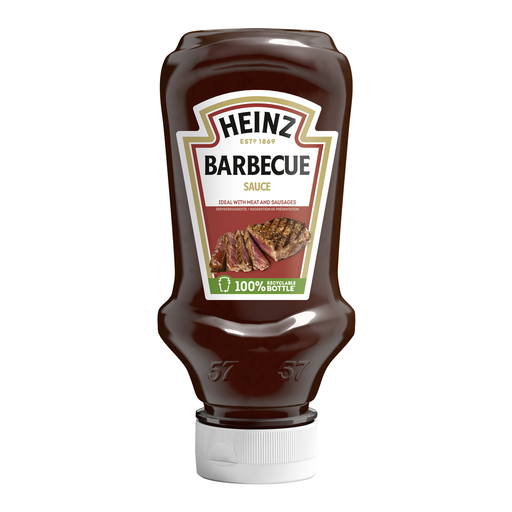
Heinz Classic Barbecue Sauce 220ml
Why this product suits the profile: This ready-to-use sauce can be served as a dip or with grilled meat and vegetables without any further preparation.
Its clear use as a ready-made sauce reduces the risk of incorrectly measuring or mixing a dry seasoning blend.
220 ml contents, ready to use and, according to the product information, with no declared allergens.
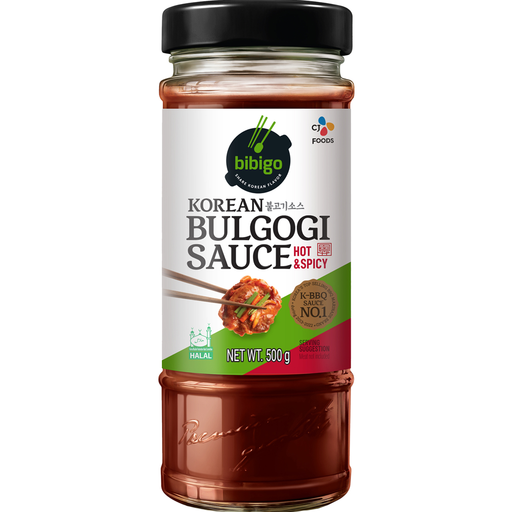
Bibigo Bulgogi Sauce Hot & Spicy 500g
Why this product suits the profile: The sauce combines soya sauce, pear and apple purée, garlic and gochujang to create a clearly defined Korean flavour profile.
The stated coverage of around 2.2 to 2.5 kg of meat makes it easier to plan quantities instead of relying on unclear measurements.
500 g contents, suitable for beef, pork and poultry; according to the label, contains wheat and soya.
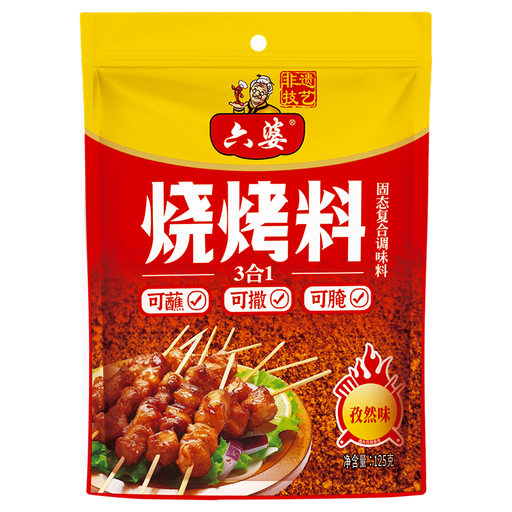
Liu Po Barbecue Seasoning 3 in 1 125g
Why this product suits the profile: This powder is intended for marinating, sprinkling and dipping, making it suitable for meat, seafood, vegetables and snacks.
The three stated uses clearly distinguish between a rub, marinade and dip.
125 g pack, with 32% chilli and 25% cumin according to the ingredients list; according to the label, with no declared allergens.
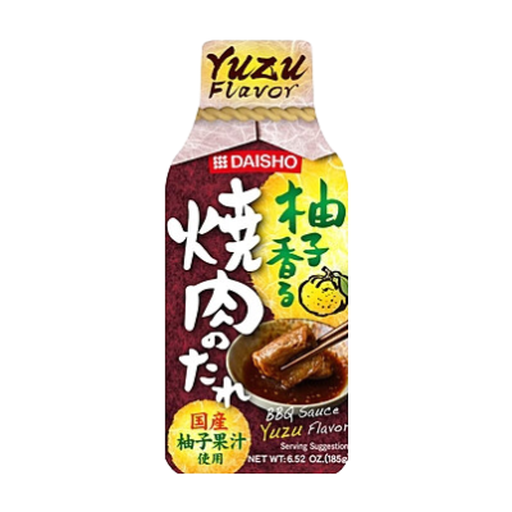
DAISHO BBQ Sauce Yuzu Flavor 185 G
Why this product suits the profile: Soya sauce, miso, yuzu, garlic and chilli are combined for Japanese yakiniku, dipping or marinating.
The flavour profile is clear from the ingredients, so it is not confused with a classic smoky barbecue sauce.
185 g contents, suitable as a sauce, dip and marinade; according to the label, contains wheat and soya.
Looking for more options?
We have put together a complete, regularly updated list of products that fully meet these strict selection criteria and the safety regulations applicable in the EU.
FAQ about BBQ Sauce and Marinade
How long should meat be left in BBQ marinade?
As a practical guideline, allow at least 20 to 30 minutes. For a more intense flavour, several hours may be suitable depending on the product. The specific instructions on the packaging are decisive. With thinly sliced meat in particular, a shorter time is often sufficient.
Can BBQ sauce be used throughout the entire grilling process?
That depends on the ingredients. If the sauce contains sugar, syrup or molasses, it should generally be applied towards the end when cooking over direct heat. It can be used beforehand as a marinade, but it should not be allowed to burn uncontrollably on the grill.
How long does opened barbecue sauce keep?
This varies from product to product. Many sauces need to be refrigerated after opening and used within a few weeks or months. The manufacturer’s instructions, best-before date and storage information on the packaging are the key points to follow. Dry seasoning mixes should be stored in an airtight, dry place away from light.