
Bamboo Kitchen Utensils Buyer's Guide: Avoid Common Mistakes
Bamboo kitchen utensils are popular for their natural aesthetic and sustainable image. However, not all products live up to their promises. Many buyers soon discover that their new utensils crack, warp, or are simply not suitable for daily use. Before you invest, it's crucial to understand the most common defects and marketing traps.
This guide will help you separate the wheat from the chaff. We focus on the key features that distinguish durable bamboo products from short-lived ones and show you what to look for to make an informed decision.
The 3 Most Common Pitfalls When Buying Bamboo Kitchen Accessories
The disappointment of a bad purchase can often be traced back to three core problems found in low-quality bamboo products.
- Hidden Composites: Many items marketed as "bamboo," especially inexpensive
bamboo dishware, are not made from solid bamboo. Instead, they are a composite of bamboo fibres and melamine-formaldehyde resin (MFH). When heated, for instance by hot food, these resins can potentially release unwanted substances. Look for products explicitly declared as "100% bamboo" or made from solid bamboo. - Poor Workmanship Leads to Cracking: Bamboo is a natural material that reacts to moisture and temperature changes. An inadequate seal or poor lamination of individual bamboo strips allows water to penetrate the material. The result: your
bamboo cooking utensilsorbamboo cutting boardwill swell, warp, and develop cracks after just a few washes. - Misleading Care Instructions: The term "easy-care" is often mistakenly equated with "dishwasher-safe." However, most solid bamboo products are not suitable for the dishwasher. The aggressive cleaning, high temperatures, and prolonged exposure to moisture will destroy the surface seal and the material itself.
What Really Matters: Crucial Quality Indicators
To avoid these issues, you should check three essential parameters before buying. These will give you insight into the product's true quality and longevity.
Material Composition and Food Safety
The most important factor is the material itself. Look for products clearly labelled as being made from solid bamboo. For dishware or containers that are combined with other materials (e.g., porcelain or glass), the material combination should be transparently listed. A high-quality eco-friendly kitchen accessory should always be made from food-safe materials. This ensures that no harmful chemicals will leach into your food.
Surface Finish and Feel
You can recognise a high-quality bamboo product by its surface. Run your fingers over it: it should feel smooth and completely splinter-free. Good workmanship is evident in a meticulous seal with a food-safe oil or varnish. This protective layer prevents moisture and bacteria from penetrating and makes the product more resilient. For a bamboo cutting board in particular, a sturdy, knife-friendly, and well-sealed surface is crucial.
Specific Manufacturer Care Instructions
Ignore vague promises and look for concrete care instructions. Reputable manufacturers will state precisely whether a product is dishwasher-safe or must be washed by hand. For most bamboo items, hand washing with mild detergent and drying immediately is the method that ensures a long lifespan. This is especially true for reusable cutlery and serving utensils.
Recommended Picks for Different Uses
Based on the criteria above, we have identified several products suitable for specific user profiles and their needs.
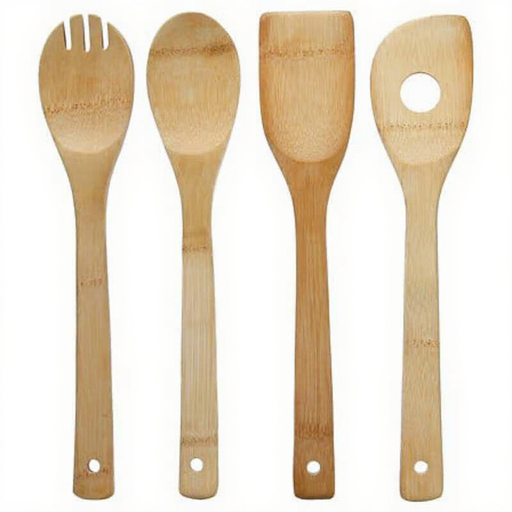
5five - 4-Piece Bamboo Cutlery Set
Why it's a good fit: This set is ideal for anyone looking to affordably equip their kitchen with basic bamboo cooking utensils. With a spoon, fork, and two spatulas, it covers the essential functions for cooking and serving.
The set is made from solid bamboo, thus avoiding the hidden composite trap. Its simple, sturdy construction is less prone to damage than complex glued products.
A versatile starter set suitable for both cooking and serving. The spatulas with cut-outs are practical for draining liquids.
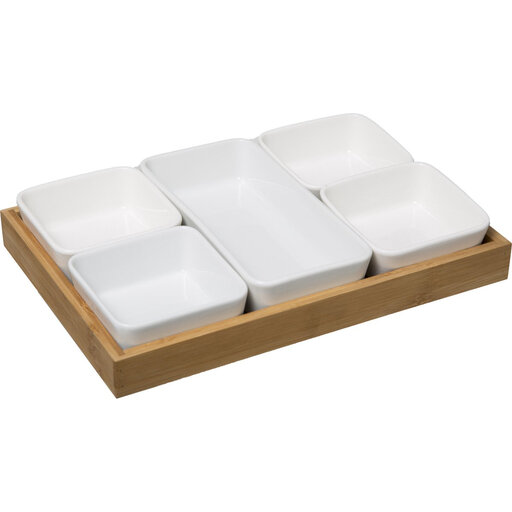
Secret de Gourmet Bamboo Snack Set - 6-piece, White
Why it's a good fit: Perfect for serving dips, tapas, and snacks at social gatherings. This `bamboo serving set` combines the natural warmth of bamboo with the elegant and low-maintenance properties of porcelain.
The care instructions are clearly separated: the porcelain bowls are dishwasher-safe, but the bamboo tray is not. This prevents accidental mistreatment and ensures the tray's longevity.
The combination of bamboo and porcelain is not only visually appealing but also functional. The bowls are hygienic, taste-neutral, and easy to clean.
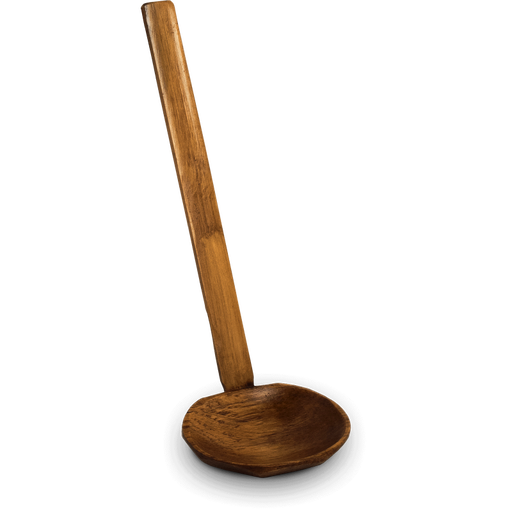
Oriental Essentials Bamboo Ramen Spoon, 18 cm
Why it's a good fit: For lovers of ramen and other Asian soups, this spoon is an authentic and practical utensil. Its deep shape is specially designed to hold broth, noodles, and toppings all at once.
The spoon is crafted from a single piece of solid bamboo. This eliminates the risk of composites and weak glue joints. The smooth, splinter-free surface is a testament to good workmanship.
The design is not only aesthetic but also highly functional and tailored to its specific use case. It is a durable alternative to plastic or disposable spoons.
Looking for more options?
We have compiled a complete, up-to-date list of products that fully meet these strict selection criteria and all relevant food safety regulations.
Frequently Asked Questions (FAQ)
Are bamboo kitchen utensils really dishwasher-safe?
In most cases, the answer is no. The combination of high temperatures, harsh detergents, and prolonged exposure to moisture in the dishwasher can cause solid bamboo to swell, warp, or crack. Always check the manufacturer's specific instructions. To maximise their lifespan, hand washing is generally recommended.
How do you properly care for a bamboo cutting board?
Proper care is simple but crucial. After use, wash the board by hand with warm water and mild detergent. Dry it thoroughly with a cloth immediately and store it upright to allow air to circulate. Never soak it in water. To protect the wood from drying out, you can regularly (about once a month) treat it with a food-safe mineral oil.
Is bamboo more hygienic than plastic in the kitchen?
Bamboo naturally has antimicrobial properties that can inhibit bacterial growth. A smooth, intact bamboo surface is very hygienic when properly cleaned and dried. In contrast, deep knife grooves on plastic boards can harbour bacteria that are difficult to clean. As long as the bamboo cutting board is well-maintained and has no deep cracks, it is a hygienic choice.