
Asian Soup Bases: A Guide to Authentic Flavour and Smart Buying
The search for an authentic Asian soup base can quickly feel like navigating a jungle of colourful packaging and lofty claims. Anyone wanting to prepare an aromatic Tom Yum, a complex hot pot, or a spicy Sichuan soup at home often reaches for ready-made products. But all too often, the first spoonful leads to disappointment: the soup tastes one-dimensionally salty, the promised heat is missing, or the consistency is unsatisfying.
As a Joybuy Product Recommendation Officer, I see daily which products meet users' expectations and which do not. Many disappointing purchases can be traced back to three common pitfalls that manufacturers deliberately use:
- The "Authenticity" Promise: A product is advertised as "traditional" or "authentic," but the ingredient list is dominated by salt, sugar, and flavour enhancers, while the actual spices are present only in trace amounts.
- Vague Flavour Profiles: Descriptions like "hot" or "spicy" are subjective. Without clear information on the type of heat (e.g., the numbing spice of Sichuan peppercorns or the fruity heat of chillies) and its intensity, the result is a gamble.
- Low-Quality Base Ingredients: Many pastes and powders use fillers or inferior oils that mask the flavour of the spices instead of enhancing it. The result is often a greasy or artificial aftertaste.
To avoid these problems, it helps to focus on a few objective criteria instead of being swayed by the packaging.
What Really Matters in Your Selection: 3 Decisive Parameters
Before you add a seasoning paste for Asian soups to your cart, you should check three core aspects. These will help you objectively assess the quality and the expected flavour.
1. The Order of the Ingredient List
The ingredient list is a product's most honest feature. Ingredients are listed in order of weight. For a high-quality Tom Yum paste, lemongrass, galangal, and kaffir lime leaves should be high on the list—not salt or sugar. If you want to make a Sichuan soup yourself, look for ingredients like fermented bean paste (doubanjiang), Sichuan peppercorns, and dried chillies in the top positions. A good Chinese soup seasoning is often characterised by star anise, cinnamon, and fennel. If monosodium glutamate (E621) or another flavour enhancer is in the first or second position, it is likely being used to cover up the lack of real spices.
2. Preparation Type: Paste, Powder, or Liquid Concentrate
The form of the soup base has a direct impact on flavour and handling:
- Pastes: Seasoning pastes, like a Thai curry paste for soup, bind fresh and dried spices in oil or another moist base. They often offer the greatest depth and complexity of flavour.
- Powders: A ready-mix Pho in powder form is convenient and has a long shelf life. However, the flavour can seem flatter, as the volatile aromas of fresh herbs are missing. They are a good quick base that can be enhanced with fresh ingredients.
- Liquid Concentrates: These are particularly easy to use, as they only need to be diluted with water or broth. Pay attention to the proportion of the main ingredients (e.g., coconut milk in a Tom Kha soup base) to ensure you are not getting a watered-down product.
3. The Brand's Regional Specialisation
A brand that specialises in a specific regional cuisine usually delivers more authentic results than a manufacturer with a broad, non-specific "Asian" range. If you want to buy a hot pot base that tastes like it's from Sichuan, a brand from that region or one that explicitly focuses on Sichuan spice blends is often the more reliable choice. The origin provides a clue as to whether traditional recipes and ingredients have been used.
Picks for Different Cooking Needs
Based on these objective criteria, we have identified some products that are suitable for different user profiles.
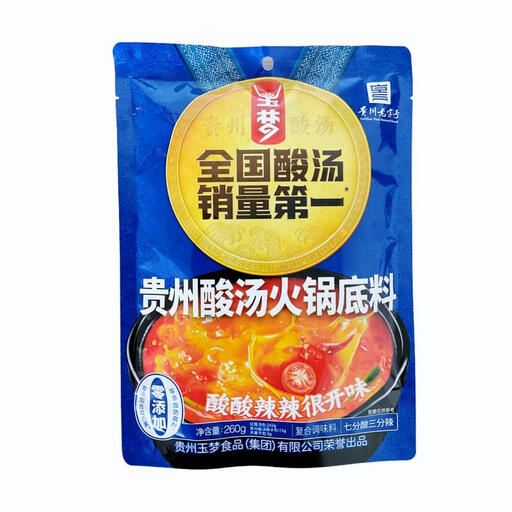
Yu Meng Guizhou-Style Sour Soup Hot Pot Base 260g
Why it's a great fit: Ideal for those seeking the specific, sour-and-spicy flavour of Guizhou cuisine, which goes far beyond a generic "hot and sour" soup.
This product bypasses the "authenticity" trap by using specific regional ingredients like fermented tomatoes and Litsea cubeba, which are essential for the characteristic aroma.
The set includes a separate oil packet with Litsea cubeba, allowing for individual adjustment of the flavour intensity. The base is clearly declared as a seasoning, not a ready-made meal.
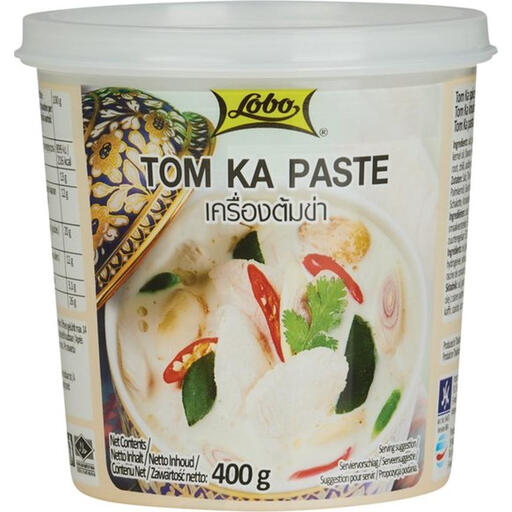
Lobo tom ka soup mix 400g
Why it's a great fit: For anyone who wants to prepare a Thai classic quickly and without fuss. This liquid Tom Kha soup base just needs to be heated and supplemented with ingredients like chicken or mushrooms.
The ingredient list, with 50% coconut milk, 6% galangal, and 3% lemongrass, shows a high proportion of key flavouring ingredients, thus avoiding the trap of low-quality fillers.
A ready-to-use liquid concentrate that reduces the preparation process to just a few minutes. The Lobo brand specialises in Thai products, which speaks to a reliable recipe.
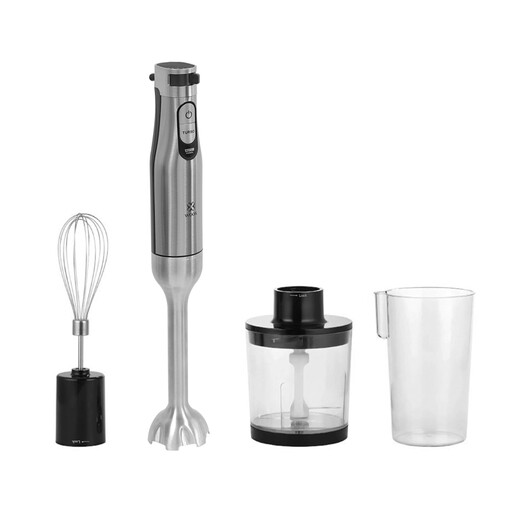
WOOX Immersion Blender Handheld Corded Hand Blenders Set 1200W
Why it's a great fit: For cooks who don't just use a base, but want to perfect the consistency of their soups. Ideal for puréeing chunky bases to a silky consistency or incorporating fresh vegetables into the broth.
This tool gives you control over the texture, bypassing the disappointment of a soup base that doesn't have the desired creamy or smooth consistency. You are no longer dependent on the manufacturer.
The 4-in-1 set with an immersion blender, chopper, beaker, and whisk offers great flexibility. The 1200-watt motor and 304 stainless steel blades ensure efficient processing.
Looking for more options?
The right tool is often crucial for preparing and refining soups. We have compiled a current list of products that meet strict selection criteria.
Frequently Asked Questions (FAQ)
1. How long does an opened Asian soup base last?
The shelf life after opening varies greatly. Oil- or salt-based pastes often last for several weeks to months in the refrigerator. Liquid concentrates or those with a high fresh content should usually be consumed within a few days. You will always find the exact details on the packaging. A basic tip: always use a clean spoon to avoid contaminating the product.
2. Can I use a seasoning paste for Asian soups for other dishes?
Yes, absolutely. Many seasoning pastes are extremely versatile. A Thai curry paste for soup is excellent as a marinade for meat, fish, or tofu. A Tom Yum paste, diluted with a little oil or coconut milk, can provide an intense flavour for stir-fry dishes. Experiment by using a small amount of the paste as a flavouring agent in other recipes.
3. How do I recognise a good hot pot base to buy?
A high-quality hot pot base is often characterised by a multi-part system. You will frequently find a solid seasoning base and a separate packet of flavoured oil or dried spices. This allows for more authentic flavour layering, as the fat transports the aromas of the spices more effectively. Check the ingredient list for real spices like Sichuan peppercorns, star anise, fennel seeds, and fermented bean paste instead of generic "flavouring" descriptions.