
Asian Snacks in Germany: A Buyer’s Guide
The world of Asian snacks is diverse and fascinating. From spicy latiao strips and chewy mochi to savoury tofu snacks, the selection can be overwhelming, especially when ordering online. As a Joybuy Product Recommendation Officer, I see it as my mission to help you separate the wheat from the chaff and find products that offer authentic flavour and clear information. This guide is designed to provide you with direction and highlight common pitfalls to avoid when shopping.
What to Look For When Buying: 3 Common Pitfalls
Buying imported foods online comes with its own set of challenges. Shopping without the right information often leads to disappointment in taste or quality. Here are three issues that can lead to a bad purchase:
- Misleading Packaging Claims: Packaging that promises extreme heat might contain a mild product—or vice versa. Images of juicy fruits don't always translate to a snack with a high fruit content. The result is a mismatch between expectation and reality.
- Lack of Authenticity: Many products are marketed as "Asian" but are merely "Asian-inspired" creations that have little in common with the originals. If you're looking for the authentic taste experience you know from C-dramas or your travels, you'll often be disappointed.
- Unclear Ingredient Lists: Ingredient lists and allergen warnings on imported goods can be incomplete or difficult to understand. This is a problem not only for people with allergies but also for vegetarians or those with specific dietary requirements.
The Key Criteria for Your Selection
To avoid these pitfalls, it's helpful to focus on objective criteria. Instead of being swayed by marketing promises, you should examine three core aspects.
1. Ingredient List and Nutritional Information
A transparent and understandable ingredient list is the foundation of a quality product. Pay attention to the order of ingredients to identify the main component. For vegetarian snacks from Asia, for example, soy protein, wheat gluten, or konjac flour are often the base. For dried fruits from Asia, the percentage of fruit content indicates the quality. Allergen labelling must be clear and prominent.
2. Flavour Profile and Texture
Asian cuisine is known for its complex flavour profiles. A spicy Asian snack is not just hot. The term "Mala" (麻辣), for example, describes a combination of numbing spiciness (from Szechuan pepper) and fiery heat (from chilli). If you want to buy latiao, you should know that it's a spicy, oily, and chewy snack made from a wheat or soy base. The description of the texture—whether crispy, chewy, soft, or creamy—is just as important for the right taste experience.
3. Origin and Brand Recognition
Established brands like Weilong Snacks, Be&Cheery, or Three Squirrels are often known in their home markets for consistent quality. This can be an indicator of an authentic product. The country of origin confirms whether it is a genuine import.
Our Selection for Different Flavour Profiles
Based on these objective criteria, we have put together a few products for different preferences.
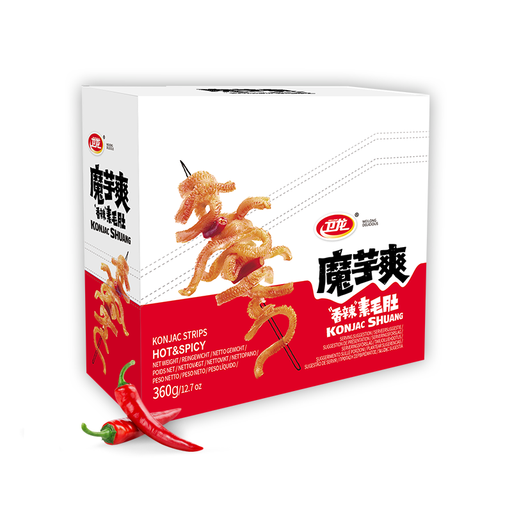
WEILONG Konjac Strips-Hot Flavour 360g (18g*20)
Why it's a great fit: Ideal for anyone seeking authentic and intense heat. This konjac snack from Weilong delivers the classic Sichuan flavour, known for its combination of spiciness and the numbing "Mala" effect. The chewy texture provides a long-lasting chewing experience.
The Weilong brand is a well-known manufacturer of Chinese snacks, which speaks to its authenticity. The ingredient list explicitly names Szechuan pepper (0.01%) and chilli (0.01%), confirming the expectation of a "Mala" flavour.
Plant-based, made from konjac flour. Individually wrapped portions (20 x 18g) for easy on-the-go snacking and to maintain freshness.
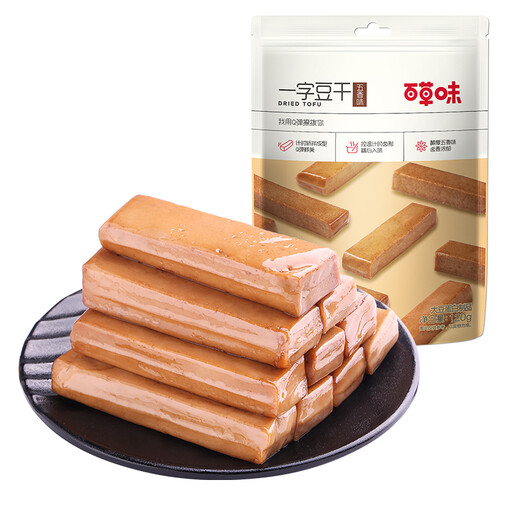
Be&Cheery five-spice flavor tofu strips 120g
Why it's a great fit: An excellent choice for those looking for a savoury, high-protein, plant-based snack. These tofu strips have a firm texture and are seasoned with classic five-spice powder, giving them a complex but not spicy aroma.
The ingredient list is clearly declared and confirms that this is a vegetarian snack. Soy protein isolate (≥11%) is listed as a main ingredient, which meets the expectation of a tofu snack and contains no hidden animal products.
Source of plant-based protein (12.3g per 100g). Individually packaged, which makes them easy to handle and keeps the snack fresh.
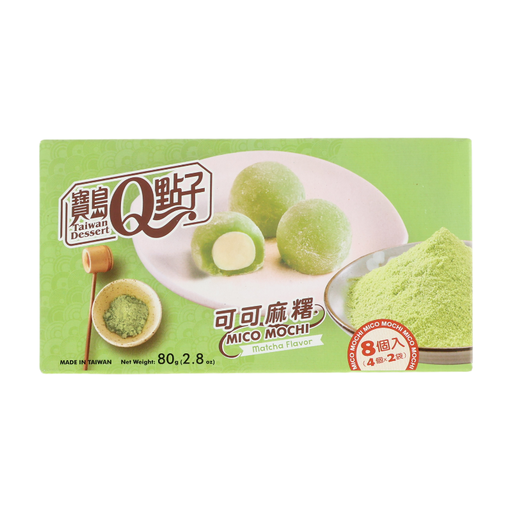
Q-Brand Taiwan Dessert Cacao Mochi Matcha Flavor 80g
Why it's a great fit: For lovers of Asian sweets who appreciate a soft, chewy texture. This mochi from Taiwan combines traditional glutinous rice dough with a modern matcha cream filling and a cocoa powder coating—an interesting flavour combination.
The "Made in Taiwan" origin and the "Taiwan Dessert" brand indicate an authentic product. The ingredient list is detailed, specifying the percentages of key components like maltose (35%) and glutinous rice (20%).
A combination of three popular flavours: mochi, matcha, and cocoa. Individually wrapped pieces for longer freshness and convenient consumption.
Looking for more options?
We have compiled a complete, up-to-date list of products that fully meet these strict selection criteria and comply with German regulations.
Frequently Asked Questions (FAQ)
What is latiao and why is it so popular?
Latiao (辣条) is a popular Chinese snack made primarily from wheat flour and/or soy protein. The dough is pressed into strips or other shapes and marinated in a mixture of oil, chilli, and various spices. Latiao owes its popularity to its unique chewy texture and intense, spicy-savoury flavour. It's a classic "nostalgia snack" for many who grew up in China and has also gained international fame through social media.
Are Asian snacks often vegetarian?
Many traditional Asian snacks are naturally vegetarian. Products based on tofu, wheat gluten (seitan), konjac, seaweed, nuts, seeds, rice, or dried fruits are common. Examples include tofu snacks, vegetarian jerky, and mochi. However, it is always wise to check the ingredient list carefully, as some products may contain fish sauce, shrimp paste, or other non-vegetarian seasonings.
How can I find mochi with a good consistency online?
Mochi are Japanese rice cakes made from glutinous rice. Their quality depends heavily on freshness. To ensure a good consistency, look for products that are individually and hermetically sealed. This prevents them from drying out. Brands from Taiwan or Japan are often a good choice. Read the product description to get information about the filling (e.g., bean paste, matcha cream, fruit purée) and the texture.