
Asian Snacks: A Guide to Choosing Authentic Flavour Experiences
The world of Asian snacks is diverse and fascinating, yet the growing selection in supermarkets and online shops can quickly become overwhelming. All too often, opaque product descriptions or exaggerated marketing claims lead to a disappointing taste experience. As your Joybuy Product Recommendation Officer, I'm here to help you avoid the common pitfalls and find products that deliver on their promise.
A frequent problem is the discrepancy between the packaging and the actual content. Many products are advertised as "authentic" but turn out to be heavily Westernised versions with excessive sugar or salt. Another pitfall is unclear or poorly translated ingredient lists, which make it particularly difficult for those with allergies to make a safe choice. Finally, elaborate packaging often conceals a mediocre-quality product at an inflated price.
What to Look for When Buying Asian Snacks
To ensure you're getting a high-quality and flavourful product, you should check two to three key parameters before buying Asian sweets or savoury snacks from Asia.
1. Origin and Brand Reputation
The country of origin and the brand are often the first indicators of a snack's authenticity. Established brands from Asia typically have a reputation to uphold and produce for a domestic market that expects specific flavour profiles.
- Chinese Snacks: Brands like Wei Long or ChaCha are widely known in China. They often represent bold, complex flavour profiles, ranging from spicy-hot (mala) to savoury-sweet.
- Japanese Snacks: Manufacturers like Calbee or Orihiro are known for their thoughtfully crafted products. Here, you'll often find subtler umami notes, seafood-based flavours, or the unique texture of Konjac Jelly.
While a well-known brand isn't a guarantee, it's often a more reliable indicator than an unknown product with generic "Asia-style" packaging.
2. Ingredient List and Flavour Profile
A close look at the ingredient list is essential. This is where you can tell if the flavour comes from real ingredients or primarily from artificial flavourings.
- Savoury Snacks: For shrimp chips, shrimp powder or extract should be high up on the list. For spicy nuts like Wasabi Nuts, the type of horseradish or wasabi flavouring used is crucial for the intensity of the heat.
- Spicy Snacks: Pay attention to the type of chillies or spices used. Szechuan pepper, for example, provides the characteristic numbing spiciness (mala) typical of many Chinese snacks.
- Sweet Snacks: With fruit jellies like Konjac Jelly, the fruit juice content is a mark of quality. Products based mainly on sugar and artificial flavours rarely offer an authentic experience.
The nutrition table also provides information about sugar and salt content, helping you make an informed decision.
Our Picks for Different Flavour Profiles
To help guide you, we've matched some products to different user profiles.
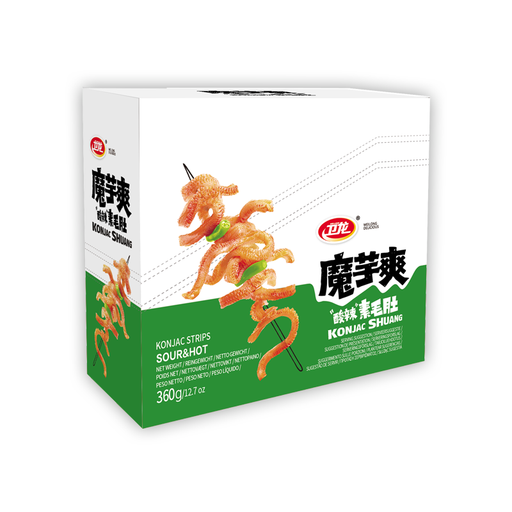
Wei Long Konjac Snack (Hot & Sour) 360g
Why this product is a good fit: Ideal for anyone looking to try a new texture and an intense flavour experience. The combination of the firm-to-the-bite konjac root and the bold, hot-and-sour seasoning is a hallmark of modern Chinese snacks.
This product comes from Wei Long, a leading snack brand in China. It offers an authentic flavour profile instead of a diluted, Western interpretation of "spicy."
The unique, chewy texture of Konjac combined with the complex, hot-and-sour flavour. Individually wrapped and convenient for on-the-go snacking.
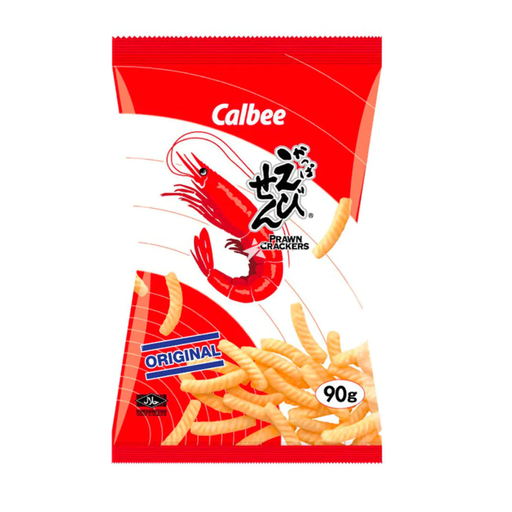
Calbee Original Shrimp Chips 90g
Why this product is a good fit: For anyone looking for a tried-and-true Japanese snack. These shrimp chips are a classic, known for their light, crispy texture and subtle seafood flavour.
Calbee is an iconic Japanese brand. The ingredient list confirms the use of real shrimp ("Fresh PRAWN"), which ensures an authentic umami flavour and avoids the pitfall of using only artificial flavouring.
A light, non-greasy, and crispy snack with a balanced, savoury taste. It has been a staple of Japanese snack culture for over 60 years.
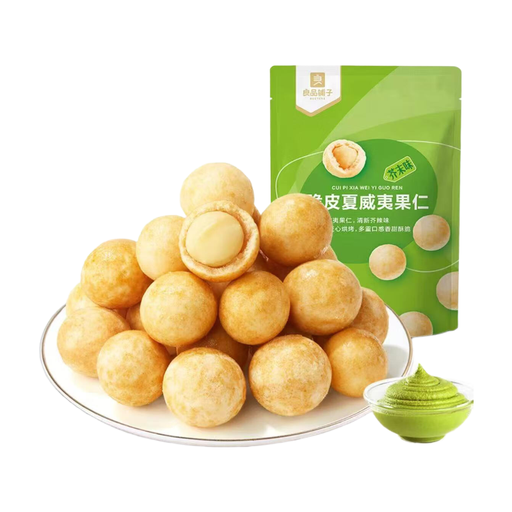
Bestore Wasabi Flavour Macadamia Nuts 500g
Why this product is a good fit: Perfect for anyone who loves nuts but is looking for an exciting alternative to salted peanuts. The combination of buttery macadamia nuts and the sharp spice of wasabi offers a multi-layered snacking experience.
This product offers more than just exotic packaging. It combines a high-quality nut (macadamia) with a specific flavour profile (Wasabi Nuts) and a crispy coating, providing real added value over standard products.
The combination of the macadamia nut's creamy texture, the crispy coating, and the stimulating, spicy kick of wasabi. The individual packets ensure freshness and make portioning easy.
Looking for more options?
We have compiled a complete, up-to-date list of products that fully meet these strict selection criteria and German regulations.
Frequently Asked Questions
What's the difference between Chinese and Japanese snacks?
Although there are many overlaps, some general tendencies can be identified. Chinese snacks often feature bold and complex flavours, especially through the combination of salty, sweet, sour, and spicy (often with Szechuan pepper for a numbing effect). Japanese snacks tend towards more subtle, umami-based flavours, often inspired by seafood, soy sauce, or dashi. Texture also plays a major role, as seen in light rice crackers or chewy mochi.
How do I find a good Asian snack box?
A good Asian snack box should offer a curated mix of different flavours and textures. Look for a balanced assortment of sweet, salty, spicy, and savoury products. Check if the box contains products from well-known brands rather than just generic, no-name items. A good box invites discovery and includes both popular classics and some more unusual specialities.
Are Asian snacks always spicy?
No, that's a common misconception. The variety is enormous. While spicy snacks are very popular, there is an equally large selection of mild and sweet options. These include, for example, sweet bean pastes, rice cakes (mochi), mild peanut snacks, fruity jellies like Konjac Jelly, or lightly salted seaweed crisps. Asian snack culture offers something for every palate.