
Asian Sauces Buying Guide: How to Choose the Right One
The world of Asian sauces is vast and fascinating, but the online selection can quickly become overwhelming. Anyone looking to prepare authentic dishes like Peking duck, spicy wok creations, or satay skewers often faces a shelf full of bottles with similar names but fundamentally different flavour profiles. Making the wrong choice here not only leads to culinary disappointment but also to unused products cluttering your fridge.
This guide will help you avoid the most common purchasing pitfalls and find the sauce that precisely fits your culinary project. We focus on the crucial characteristics that define a quality seasoning sauce, cutting through empty marketing promises.
The 2 most common mistakes when buying Asian seasoning sauces:
- The "Authenticity" Trap: Many products use terms like "authentic" or "traditional," but the ingredient list tells a different story. They are often heavily sweetened versions adapted for the Western palate, lacking the complex depth that comes from traditional fermentation. A genuine hoisin sauce, for example, is based on fermented soybeans, not primarily on sugar and colouring.
- Confusion from Vague Labels: Is a "sweet bean sauce" the same as hoisin sauce? Not necessarily. For an authentic Peking duck sauce, you need a specific sweet bean sauce made from fermented wheat flour, known as Tian Mian Jiang. If you grab the wrong bottle, the result is a completely different dish. The same applies to the term soybean paste, which can cover a wide spectrum from salty and intense to mild and sweet.
What Really Matters: The Core Parameters for Your Selection
To find the right sauce, don't be guided by colourful labels, but by objective criteria. Pay attention to the following three points to make an informed decision.
1. Base Ingredient and Production Method
The foundation of an Asian sauce determines its entire character. The most important differences lie in the main ingredient:
- Fermented Soybeans: Form the base for many Chinese seasoning sauces, including most hoisin sauces and various soybean pastes. They provide a deep, salty umami flavour. If you're looking for a versatile, savoury base, a sauce with this foundation is a great choice.
- Fermented Wheat Flour: This is the key ingredient for traditional Tian Mian Jiang (sweet bean sauce). It has a characteristic, malty sweetness that is distinctly different from soybean pastes and is essential for dishes like Peking duck.
- Fruits (e.g., Plums): A plum sauce gets its sweetness and acidity directly from the fruit. It is typically less complex than fermented sauces and is an excellent fruity Asian dipping sauce for spring rolls or fried dishes.
- Peanuts: A peanut sauce, often called satay sauce, is based on ground peanuts and often coconut milk. Its profile is creamy, nutty, and, depending on the recipe, sweet or spicy.
2. Consistency and Intended Use
Not every sauce is ready to use out of the box. The consistency provides a clear indication of its application:
- Thick Pastes: Concentrated products like thick soybean pastes often need to be fried in oil or diluted with water, oil, or other liquids before use to release their full flavour. They are ideal as a seasoning base for stews and complex sauces.
- Viscous Sauces: Products like hoisin sauce or satay sauce have a consistency that makes them versatile. They are suitable as a marinade, a glaze for grilled foods, a wok sauce, or directly as a dip.
- Liquid Dipping Sauces: These are specifically designed for direct consumption. They are often seasoned and ready to use, perfect for dipping snacks, vegetables, or meat.
3. Ingredient List and Origin
A quick look at the ingredient list is essential. Check if the stated main ingredient (e.g., soybeans, plums) is high up on the list. A high sugar or water content can be an indicator of a less concentrated product. If you want to buy soybean paste, pay attention to the percentage of soybeans. The country of origin can also be a clue to a traditional production method.
Our Picks for Different Use Cases
Here are some recommendations tailored to specific needs and cooking projects.
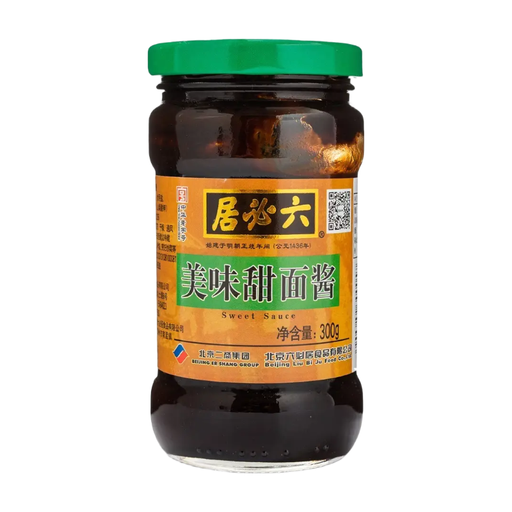
Liu Bi Ju Sweet Bean Sauce 300g
Why It's a Match: This sauce is a classic sweet wheat sauce (Tian Mian Jiang), specifically developed for traditional Chinese dishes like Peking duck or Zha Jiang Mian (noodles with a sauce topping).
It bypasses the risk of confusion by being a specific Tian Mian Jiang based on wheat flour, not a generic, overly sweetened "sweet sauce."
Delivers the authentic, savoury-sweet flavour required for Peking duck. The Liu Bi Ju brand is known for its traditional products.
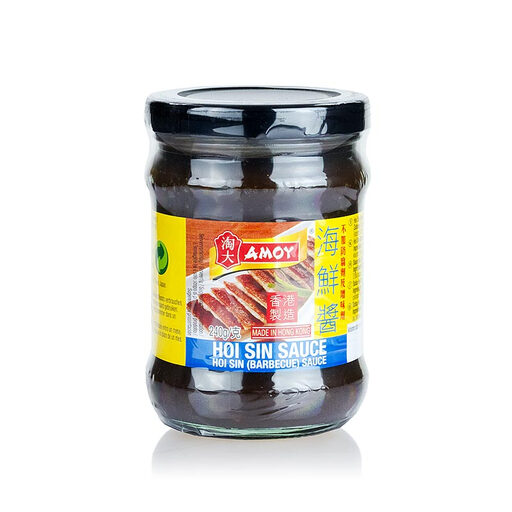
Amoy Hoi Sin Sauce 200ml
Why It's a Match: This hoisin sauce is an all-rounder for quick cooking. Its thick consistency makes it ideal as a marinade for meat, a wok sauce, or a dip for spring rolls.
The fermented soybean base provides a genuine umami flavour, setting it apart from products made primarily of sugar and water. This avoids the "authenticity" trap.
Balanced sweet-savoury flavour profile and a versatile, viscous consistency. According to Amoy, some versions have no added preservatives or flavour enhancers.
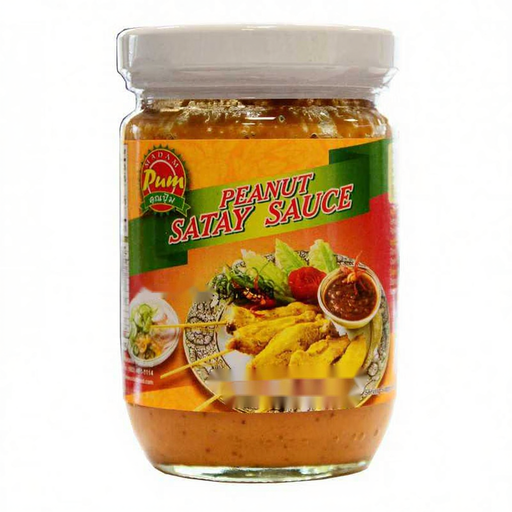
MADAM PUM Peanut Satay Sauce 200g
Why It's a Match: This creamy peanut sauce is specially designed for preparing satay dishes. It's ideal as a marinade for chicken skewers or as a ready-to-use dip.
Made with coconut milk and 15% real peanuts. This avoids the trap of buying a sauce that only tastes like peanuts but is mainly composed of sugar and artificial flavours.
Authentically seasoned with lemongrass, galangal, and kaffir lime leaves for a complex, Southeast Asian flavour profile. Ready to use as a dip or marinade.
Looking for More Options?
We've compiled a complete, up-to-date list of products that meet these strict selection criteria.
Frequently Asked Questions
What is the difference between hoisin sauce and sweet bean sauce (Tian Mian Jiang)?
Although both are often described as sweet and thick, they are fundamentally different. Hoisin sauce is typically based on fermented soybeans and often contains garlic, vinegar, and spices, giving it a complex, sweet-and-salty profile. Tian Mian Jiang (literally "sweet wheat flour paste") is made from fermented wheat flour and has a milder, malty-sweet taste. For authentic Peking duck, Tian Mian Jiang is the traditional choice.
How long do opened Asian seasoning sauces last?
The shelf life varies greatly depending on the ingredients. Sauces with a high salt or vinegar content last longer. As a general rule, once opened, most sauces should be stored in the refrigerator and consumed within 4 to 8 weeks. Always check the specific storage instructions on the product label.
Can you use soybean paste directly?
That depends on the type of paste. Many thick, concentrated soybean pastes (especially the salty varieties) are not intended for direct consumption. They should be fried in oil to activate their flavour before other ingredients are added. However, there are also ready-to-use soybean pastes designed as a dip or seasoning for vegetables. Checking the manufacturer's application instructions is crucial here.