
Buying Asian rice crackers: a guide to choosing crunchy snacks
Asian rice crackers come in many varieties: mildly seasoned, spicy, flavoured with seaweed, sesame, coconut or soy sauce. For UK households, ingredients, allergens, pack size and proper storage matter just as much as flavour. So if you’re looking to buy rice crackers online, don’t just be swayed by eye-catching packaging or words such as “traditional”.
Common pitfalls when buying Asian rice crackers
1. “Rice cracker” doesn’t always mean it’s made mostly from rice
A product may be called a rice cracker even if it also contains wheat starch, maize, tapioca or other grains. Check the ingredients list to see what it’s actually made from. For example, Panpan Rice Cracker contains at least 35.5% wheat starch, while maize semolina and other starches contribute to its texture. This is an important point for anyone with coeliac disease or a wheat intolerance.
It’s also worth checking products with a higher rice content: according to the product information, Want Want Fried Senbei contains 60.91% rice, while Bin Bin Seaweed Rice Crackers contain 64.8% rice.
2. It’s easy to underestimate the heat, salt and seasoning
“Hot”, “Spicy” and “Sichuan” describe different flavour experiences. Sichuan pepper can also create a tingling or numbing sensation in the mouth, as well as heat. According to its nutrition information, Laiyifen Glutinous Rice Crisps Spicy Flavor contains 2.5 g of salt per 100 g. Want Want Thick Roasted Seaweed Rice Cracker contains 4.75 g of salt per 100 g.
If you’re after a mild snack to enjoy with a cup of tea, compare the seasoning and salt content. For parties or sharing, a mix of mild and spicy rice crackers may be a better choice than a large pack with just one intense flavour.
3. Storage has a big impact on how crunchy they stay
Moisture can quickly change the texture of rice crackers. A large 200 g pack is handy for sharing, but once opened it can lose its crunch if it isn’t sealed tightly. Products such as Royal Orient Hot Rice Crackers and Bin Bin Rice Crackers should therefore be stored in a dry place in an airtight container or well-sealed pack after opening. The best-before date is shown on the packaging, but proper storage is still essential.
What to check before you buy
Ingredients and allergens
Check the highlighted allergen information before adding Chinese rice crackers, Thai rice crackers or Japanese rice crackers to your basket. Common allergens include:
- Soya and wheat, for example in soy sauce powder or wheat starch
- Sesame, such as in rice crackers with black sesame
- Fish or crustaceans, particularly in seaweed, crab or prawn flavours
- Milk and egg in sweeter or biscuit-like products
- Possible traces of peanuts, nuts or other allergens
Recipes and labelling can change, so always check the information on the current packaging.
Nutrition per 100 g
Nutrition information per 100 g makes it easier to compare different packs. Depending on how they’re made and seasoned, rice crackers often contain around 346 to 570 kcal per 100 g. However, energy content alone doesn’t tell you how filling a product will be. Check the fat, saturated fat, sugar and salt content too.
A 60 g pack is handy for a small snack stash. Packs of 135 to 155 g are better suited to sharing. Packs of 200 to 250 g are worth considering if several people will be helping themselves or you serve rice crackers regularly.
Ready to eat or prepare?
Most of the products featured are ready to eat. One exception is Krupuk Udang, which typically needs to be deep-fried in hot oil to puff up, according to the product information. This is worth bearing in mind when you’re choosing what to buy: you’ll also need oil, a suitable pan or deep-fat fryer, and a safe way to prepare it. Ready-to-eat options are more convenient for an impromptu office or film-night snack.
Choosing by shopper type
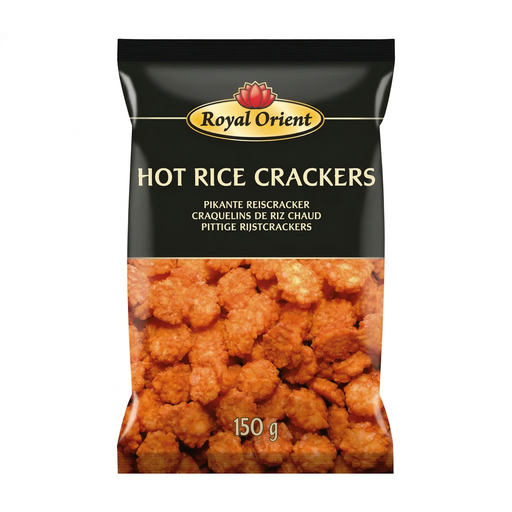
Royal Orient Hot Rice Crackers 150g
Why this product suits this shopper: The 150 g pack is an easy way to keep classic, lightly crunchy rice crackers on hand for a snack or with a cup of tea.
Ingredient and nutrition information is available. Per 100 g, it contains 3.5 g of fat and 500 mg of sodium, making it easier to assess the seasoning objectively.
150 g pack, ready to eat and described as having a mildly savoury flavour. Allergens: soya and wheat.
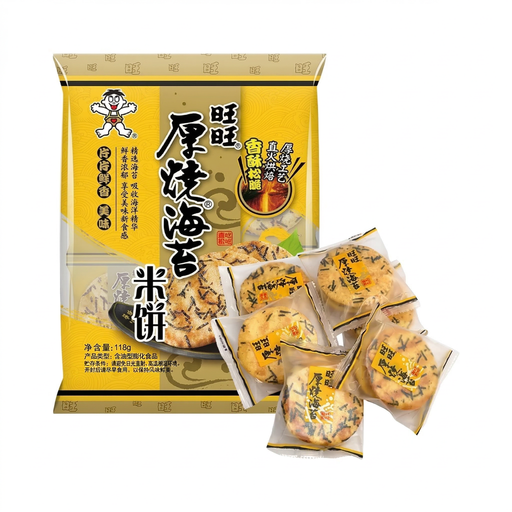
WANT WANT Thick Roasted Seaweed Rice Crackers 118g
Why this product suits this shopper: The combination of rice, soy sauce, seaweed and bonito extract is a good choice if you’re looking for a clearly described, savoury flavour.
The product information lists 70% rice and 1.6% seaweed. It also identifies fish, soya, wheat and liquorice as allergens or ingredients.
Individually wrapped pieces make portioning easier. The product is ready to eat and contains 118 g.
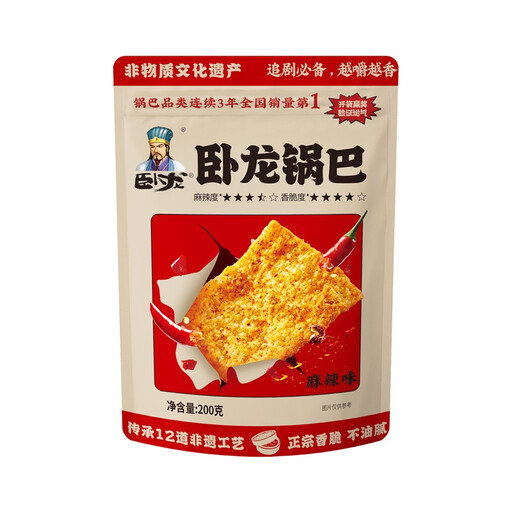
Wo Long Old Stove Crispy Rice Snack (Spicy & Numbing) 200g
Why this product suits this shopper: The 200 g pack is ideal for regular snack get-togethers. Chilli and Sichuan pepper give it a distinctly spicy, savoury flavour.
The ingredients list includes 65% starch, as well as maize starch, millet, chilli and Sichuan pepper. This makes the product’s base clear, and its heat is described in more detail than just on the packaging.
200 g pack, ready to eat and, according to the product information, with no declared allergens. Reseal the pack after opening.
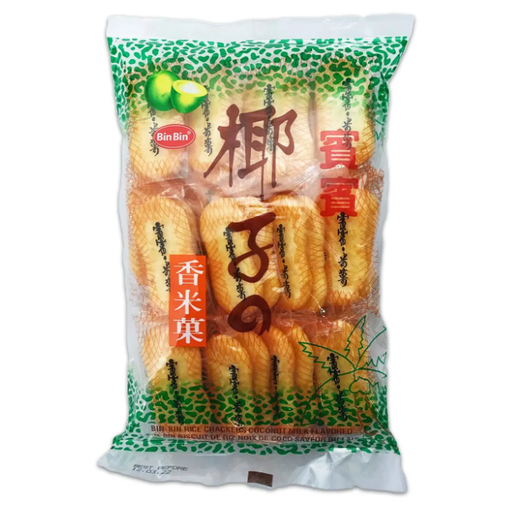
Bin Bin Rice Crackers Coconut Flavour 150g
Why this product suits this shopper: Coconut milk and sugar make this a sweeter alternative to spicy or heavily salted rice crackers.
The product information lists 60% rice and 4.4% coconut milk. It also states that the crackers contain 12 g of sugar and 1.1 g of salt per 100 g.
150 g pack, from Thailand, with a distinct coconut flavour. Contains soya; may contain traces of milk and wheat.
Looking for more options?
We’ve put together a complete, regularly updated list of products that meet these strict selection criteria and fully comply with the safety regulations in force in the EU.
Choosing the right snack for everyday life
Smaller packs of 60 to 100 g are easier to portion for work or a solo tea break. Packs of 150 to 250 g are a good choice for families, games nights or parties. If you’d like to try a few different flavours, pair mild varieties with spicy rice crackers, rice crackers with seaweed or rice crackers with sesame.
Also check the country of origin: the range includes products from China, Thailand and Vietnam, among others. Origin alone doesn’t guarantee quality, but it can help you identify the culinary style you’re looking for. If you have specific dietary requirements, check the ingredients and allergen information again before every purchase.
Frequently asked questions about Asian rice crackers
Are Asian rice crackers gluten-free?
Not necessarily. Many products contain wheat or soy sauce made with wheat. Even if rice is the main ingredient, you’ll still need to check the full ingredients list. If you need to follow a gluten-free diet for medical reasons, rely only on clear gluten-free labelling on the packaging.
How can you keep rice crackers crunchy after opening?
Store the pack in a cool, dry place, away from direct sunlight. Seal it as tightly as possible after each serving. Individually wrapped products are generally easier to portion while keeping their texture, whereas open bulk packs can absorb moisture more quickly.
Which Asian snacks are good for sharing?
Packs of 150 g or more are handy for get-togethers. Mild flavours, such as classic rice crackers, are likely to suit a range of tastes, while spicy or Sichuan-seasoned varieties make a good alternative. Only choose Krupuk Udang if you’re happy to prepare it in hot oil and can store it appropriately after opening.